
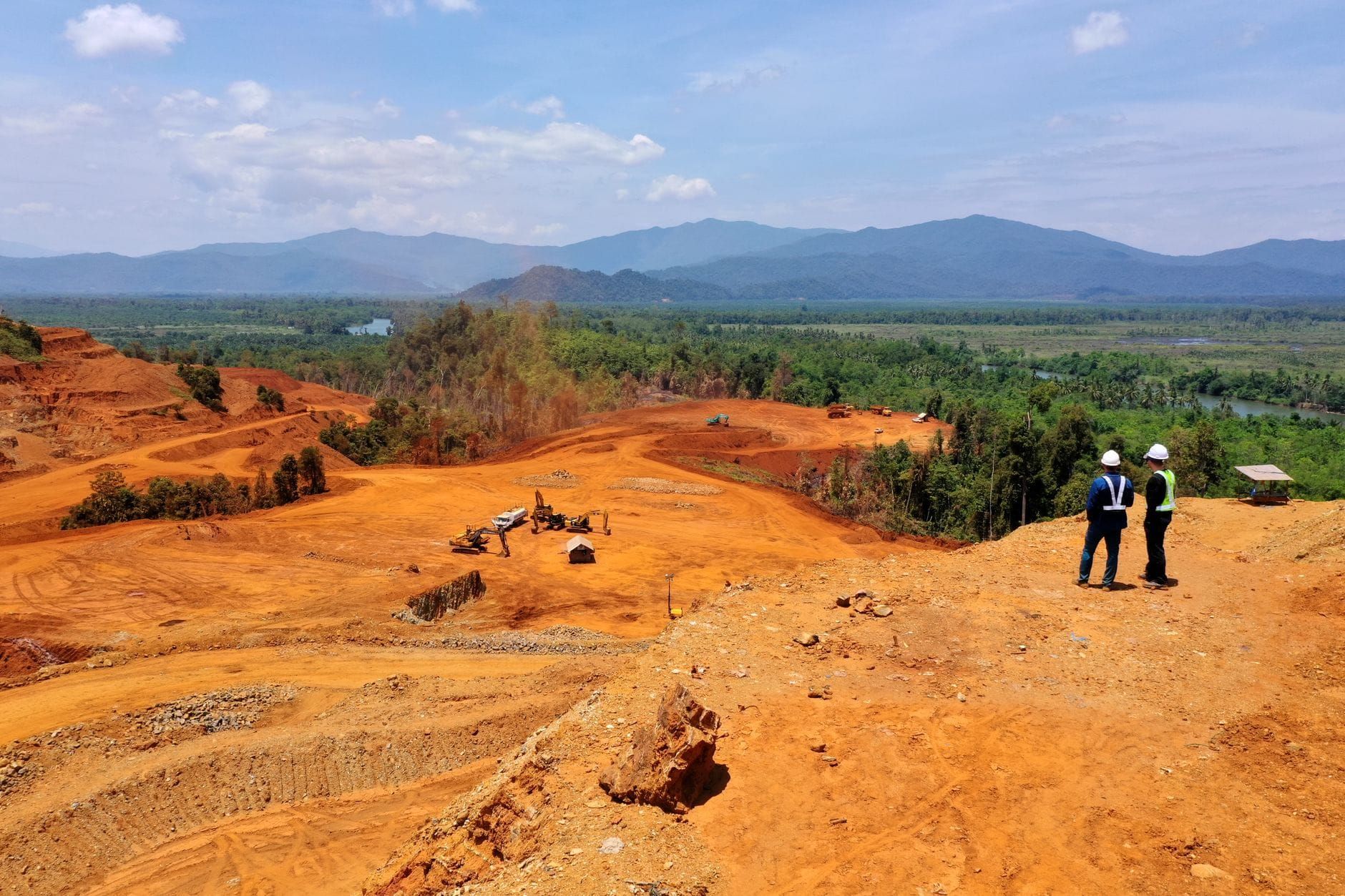
Zimbabwe generated $782 million in lithium exports over the first six months of 2026, a 230% jump from the $237 million recorded in H1 2025. The country is now cementing its position as Africa's top lithium producer, at a moment when global demand for this strategic metal is recovering strongly.
A spectacular surge driven by value addition
Finance Minister Mthuli Ncube announced the figures in July 2026, noting the performance far exceeds initial projections. Lithium is now Zimbabwe's third most exported mineral, behind gold and platinum group metals, accounting for approximately 12% of total mineral export revenues in the half-year period.
The spectacular increase is partly explained by the commissioning, in April 2026, of a lithium sulphate processing plant. This strategic shift — from exporting raw concentrate to processed products — mechanically raised the unit value of exports, while responding to government directives to add value to resources on Zimbabwean soil.
A sector dominated by Chinese capital
Major Chinese firms control the bulk of the sector: Zhejiang Huayou Cobalt, Sinomine, Chengxin Lithium Group, Sichuan Yahua and Tsingshan Holding Group lead the main mining and processing operations. This concentration has generated political tensions: in February 2026, Harare temporarily suspended exports, citing «leakages and malpractice» in the export circuit by some operators.
Total lithium production is projected at 2.14 million metric tons for full-year 2026, slightly below the 2.2 million tons produced in 2025 — a sign that value creation now takes priority over raw volume.
The 2027 horizon: the end of raw concentrate
The Zimbabwean government has announced a structural measure: from January 2027, the export of raw lithium concentrate will be banned. Only processed products (lithium hydroxide, carbonate, sulphate) will be permitted to leave the country. The aim is to capture more value locally, following strategies pioneered by Indonesia for nickel and the Democratic Republic of Congo for cobalt.
Why it matters
In the global race for energy transition metals, Africa holds considerable reserves but has often struggled to capture full value. Zimbabwe, by combining surging volumes, a move up the processing value chain, and asserting sovereignty over its supply chain, is sketching a model that other resource-rich African states may emulate. For investors in the Indian Ocean region, it is also a signal about the dynamics of Africa's mining sector — and about the capacity of states to impose their terms on international majors.
Sources: Mining Weekly (July 31, 2026), CNBC Africa, Finimize, Zambian Observer.