
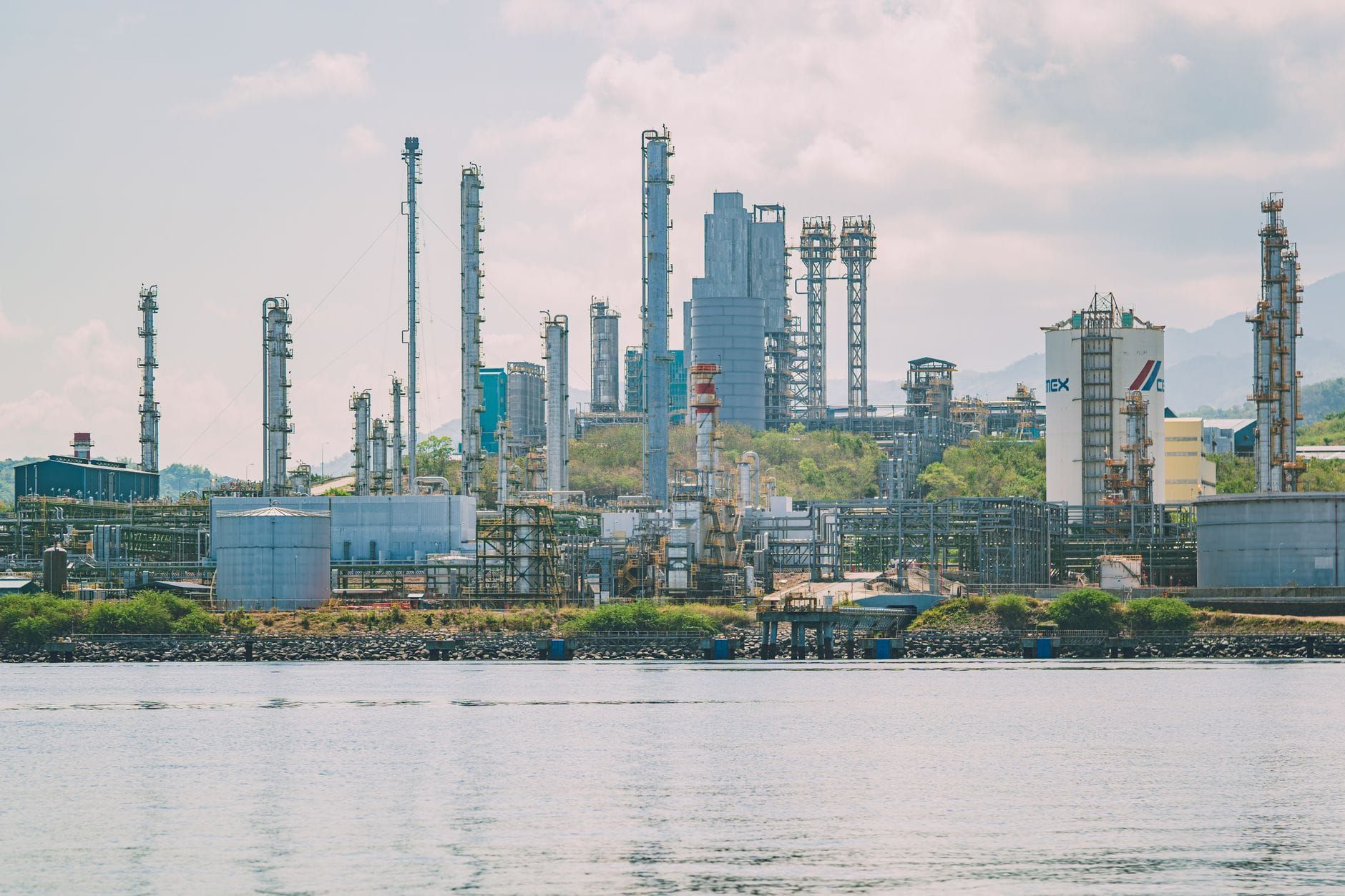
A landmark moment in African economic history is unfolding. Dangote Petroleum Refinery and Petrochemicals, the mega-refinery belonging to Aliko Dangote in Lagos, has officially launched its public offering on the Nigerian Exchange (NGX), priced at ₦525 per share with 4.1 billion shares available — targeting a total raise of ₦2 trillion, approximately $1.6 billion. The subscription period, originally set to close on October 13, has been extended to October 27, 2026. The listing is expected in November.
Africa's largest refinery goes public
Dangote Petroleum is already the continent's largest refinery, with a current capacity of 700,000 barrels per day — expandable to 1.4 million barrels by 2028, via a fully financed and designed extension. The refinery is also Europe's leading supplier of kerosene (jet fuel) from the African continent, a strategic position that underlines the project's industrial ambition.
Aliko Dangote himself called the operation «the largest IPO in Africa's history» and said he wants «every human being living on the continent» to be able to participate. To maximise access for small savers, the minimum subscription was set at just 10 shares (₦5,250, or less than $4), with a promise of two additional bonus shares for long-term holders.
An offer opening beyond Nigeria's borders
Led by the NGX, the offer has been extended to three additional African countries: Egypt, Ethiopia and Botswana. Kenya is also working on depositary receipt mechanisms to enable broader cross-border participation. The stated goal is to reach 10 million shareholders, predominantly African — a strong signal of intent to build a pan-African investor base around the continent's industrial assets.
The refinery also plans downstream logistics expansions in Ethiopia, Kenya, Tanzania and Namibia, in the form of storage depots and transport infrastructure, extending Dangote's ambitions well beyond refining alone.
Why it matters
This IPO goes beyond a standard financial transaction. It is a powerful symbol of the continent's ability to internally finance major industrial infrastructure. For the Indian Ocean region, the signal is clear: an Africa that finances itself through its own capital markets, builds local value chains, and progressively breaks free from imported refined products is a continent whose economic weight is growing — and with it, the commercial opportunities for businesses across the region. Decision-makers in Réunion, Mauritius and Madagascar have every reason to follow this listing closely.