
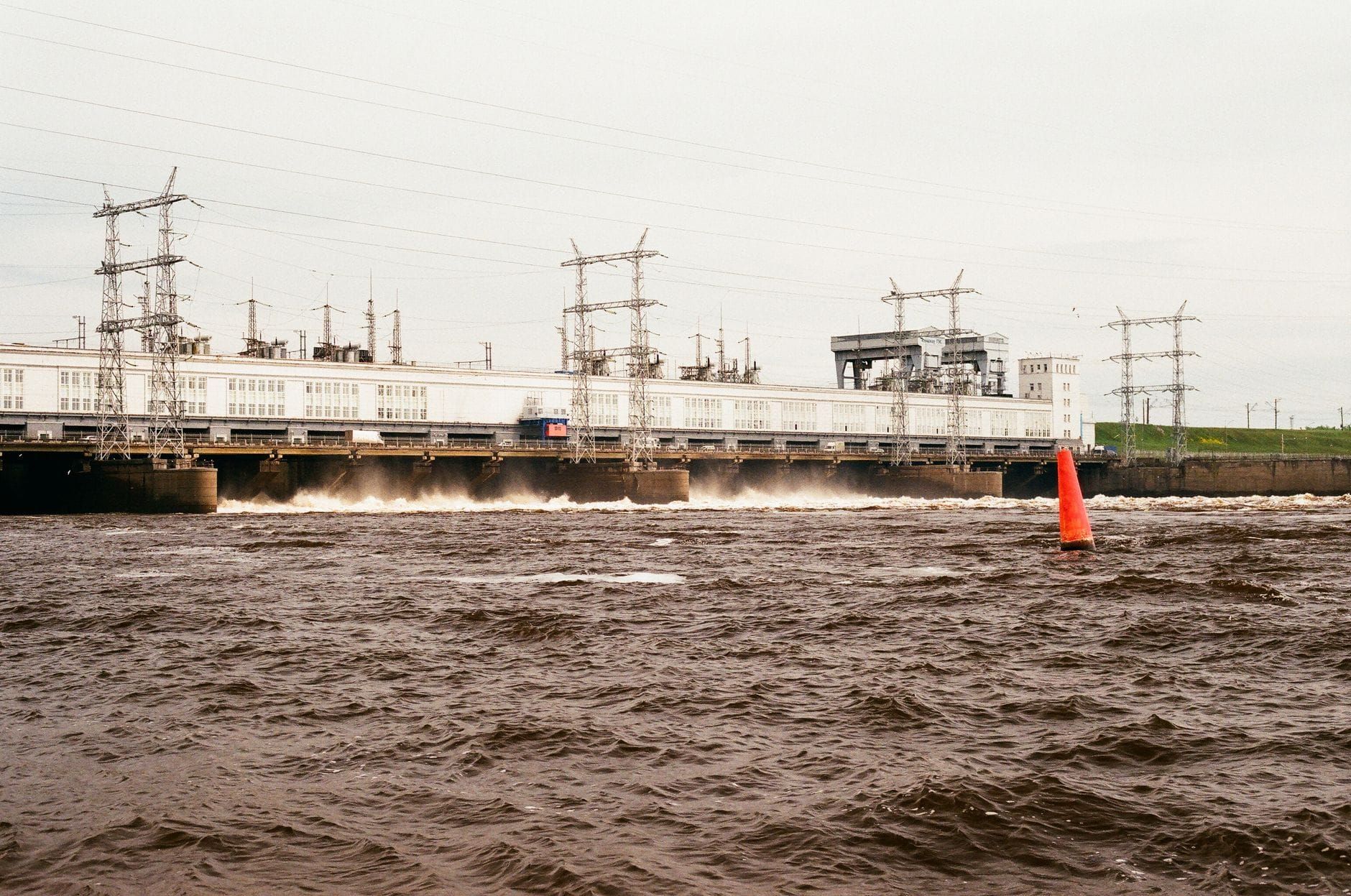
Tanzanian President Samia Suluhu Hassan inaugurated the Julius Nyerere Hydropower Plant on August 22, 2026, the largest infrastructure project in the country's history. Valued at $2.9 billion and built by an Egyptian consortium, this colossal structure brings Tanzania's national electricity capacity to unprecedented levels and repositions the country as East Africa's energy hub.
A monumental construction completed in 42 months
Located on the Rufiji River in the Morogoro region, the Julius Nyerere Dam stretches 1,036 meters long and 131 meters high. Its reservoir holds up to 34 billion cubic meters of water. Nine turbines of 235 MW each feed a 400-kilovolt switchyard connected to the national grid via the Chalinze transmission lines.
The lead consortium comprises Arab Contractors and Elsewedy Electric, two Egyptian giants in construction and energy. The project was completed in 42 months — a timeline praised by Egyptian Prime Minister Mostafa Madbouly, who attended the inauguration ceremony alongside President Samia. "This edifice demonstrates the capacity of African companies to deliver the continent's most ambitious projects," he stated. The structure ranks among the three largest dams in Africa.
One plant powering half the national grid
Before Julius Nyerere came online, Tanzania's installed capacity hovered around 1,800 MW — with a significant share from costly thermal plants. Adding 2,115 MW of clean hydropower represents an approximately 117% increase in available capacity, with authorities projecting it will supply half the national grid on its own.
For Tanzanian industry and SMEs, this stable supply of competitive electricity is a decisive competitive advantage: chronic power outages had previously cost several GDP points annually. Construction also generated thousands of direct jobs, including a significant share of locally trained technicians.
Why this matters for the Indian Ocean region
Tanzania is the closest continental façade to the western Indian Ocean islands: Zanzibar, the Comoros, Madagascar, and even Mauritius maintain commercial, logistical, and cultural ties with Dar es Salaam. A better-electrified Tanzania means a more competitive economy, more efficient ports, and enhanced investment opportunities for regional operators. In the context of the African Continental Free Trade Area (AfCFTA), East Africa's energy growth mechanically benefits the entire sub-region.
Sources: Daily News Egypt, The Citizen Tanzania, Rio Times Online — August 22, 2026.