
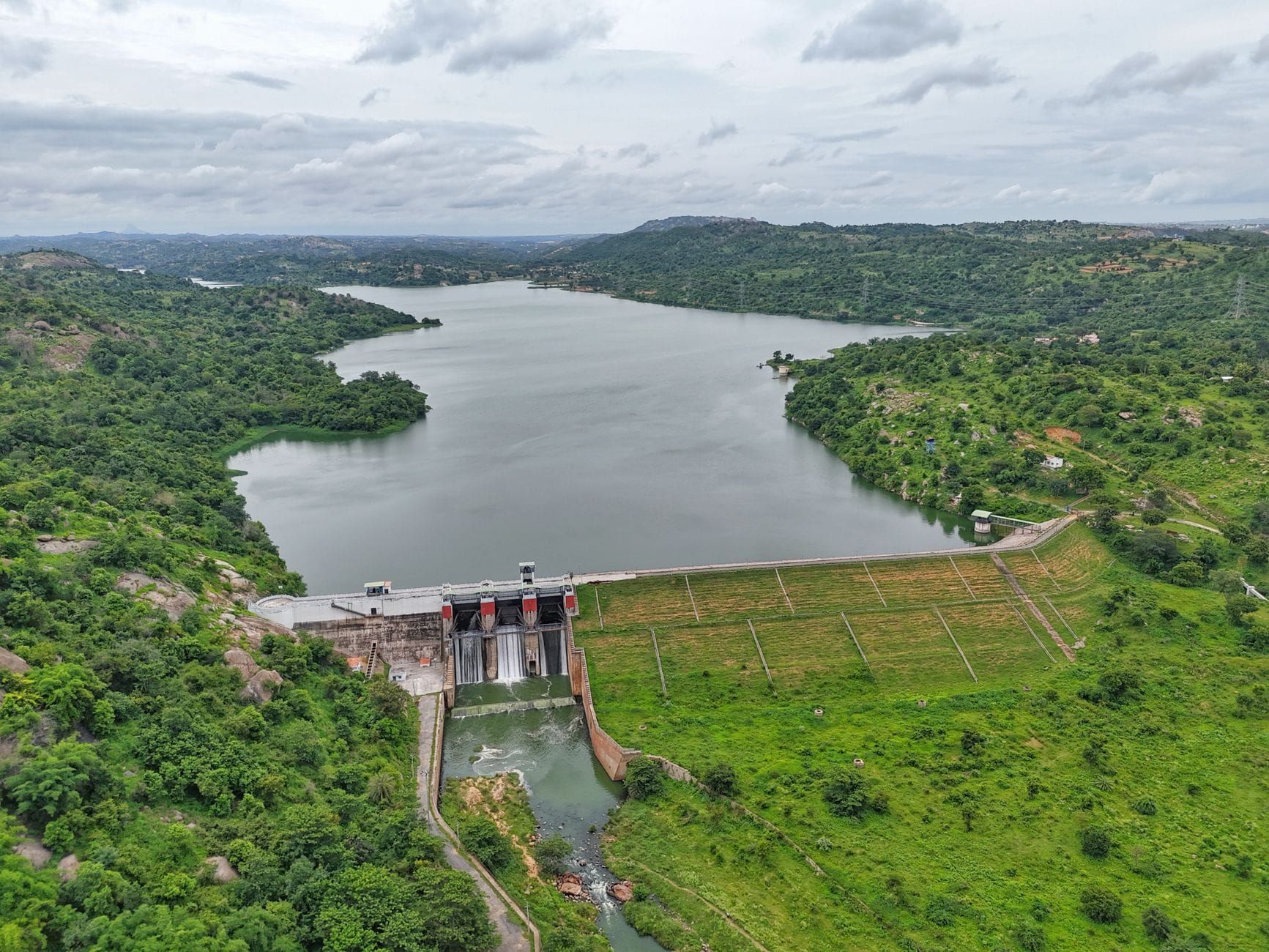
Tanzania has just reached a watershed moment in its energy history. On August 22, 2026, President Samia Suluhu Hassan officially inaugurated the Julius Nyerere Dam on the Rufiji River — a 2,115-megawatt (MW) facility that stands as the largest hydroelectric project ever completed in Eastern Sub-Saharan Africa.
Five Years of Construction to Transform the Country's Energy Landscape
Operated by the Tanzania Electric Supply Company (TANESCO) and funded with a total investment of $2.9 billion, the project mobilized thousands of workers for five years along the Rufiji River, roughly 180 km southwest of Dar es Salaam. The dam bears the name of Tanzania's founding father, Julius Nyerere — underscoring the symbolic weight this infrastructure carries for the nation.
With this commissioning, Tanzania's national electricity surplus now stands at 2,375 MW, according to TanzaniaInvest. A spectacular reversal for a country that, just a decade ago, suffered daily blackouts crippling households and businesses alike.
A Catalyst for Industry and Regional Attractiveness
Abundant, affordable, and renewable energy unlocks unprecedented industrialisation opportunities. Mining, manufacturing, agri-processing, and even data centres and digital industries are set to benefit from stable and competitive electricity supply.
Beyond Tanzania's borders, the dam fits into a broader regional interconnection strategy. Dar es Salaam aims to export electricity to neighbouring countries — Kenya, Zambia, Mozambique — through the Eastern Africa Power Pool (EAPP), cementing its role as a continental energy hub.
A Financing Model Worth Watching
The project's financing reflects the growing role of public-private partnerships in African infrastructure. While largely backed by public funds and institutional lenders, TANESCO's future management will need to demonstrate that the operator can maintain the facility and generate returns over the long term.
The simultaneous modernisation of the Port of Dar es Salaam — announced the same week — confirms that Tanzania is rolling out a comprehensive infrastructure upgrade, attracting growing attention from regional and international investors.
Why It Matters
A country that controls its energy controls its industrial destiny. By nearly doubling its installed capacity in a single inauguration, Tanzania has moved up a league — from an emerging market constrained by power shortages to a potential hub for energy-intensive industries. For businesses across the Indian Ocean and East Africa, the message is clear: Dar es Salaam is no longer just a port — it is now an energy corridor.