
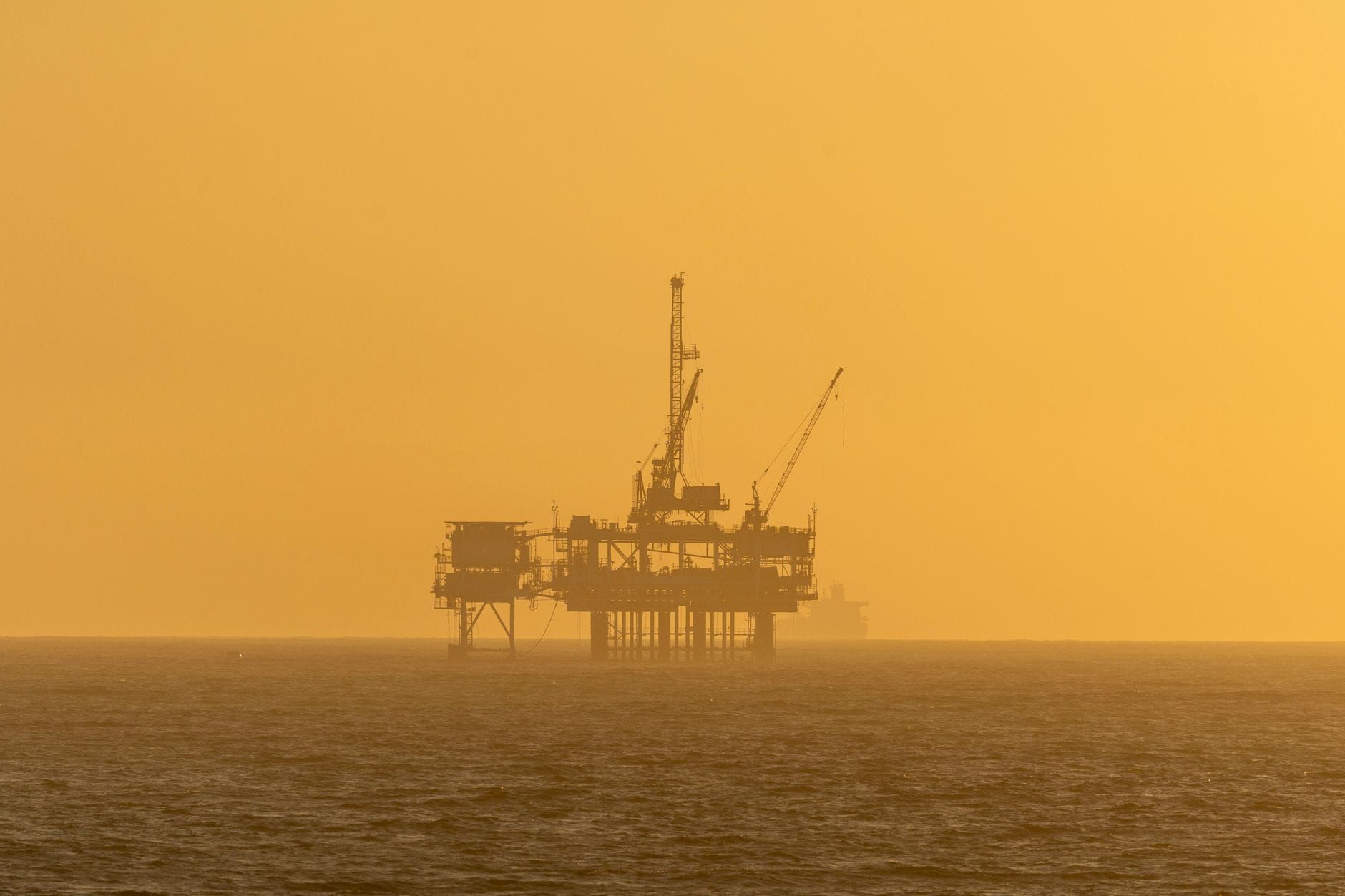
Senegal is asserting itself on the African oil scene. The Sangomar field produced 17.9 million barrels of crude in the first half of 2026, with the annual target revised upward to 31.6 million barrels. A promising start for this new producing nation, which now aims to process its resources locally.
Sangomar and GTA: Two Production Engines
Sangomar, operated by Woodside Energy alongside the Senegalese state through Petrosen, runs at a capacity of 100,000 barrels per day. In June 2026, three cargoes totalling 2.94 million barrels were exported. The Greater Tortue Ahmeyim (GTA) field, shared with Mauritania and backed by BP, exported three LNG cargoes totalling 0.49 million cubic metres the same month — this gas field has been operating since December 2024 and holds estimated reserves of 20,000 billion cubic feet.
An Accelerated Production Trajectory
The 2026 annual target has been raised to 31.6 million barrels, from an initial forecast of 28.1 million. Since Sangomar started up, 70.90 million barrels have been produced and 70.47 million sold — a near-perfect commercialisation ratio. Projected hydrocarbon revenues for 2027 stand at 397.8 billion FCFA.
Local Processing: The Strategic Priority
Dakar no longer wants to merely export raw resources. A second refinery — SAR 2.0 — is planned by 2028 at an estimated cost of $5 billion, raising capacity from 1.5 to 5 million tonnes per year. The project would process all of Sangomar's crude domestically, tripling the revenue of the African Refining Company.
Why It Matters
Senegal is proving that a country can rapidly join the club of African producers while simultaneously pursuing local value addition. If SAR 2.0 is built, Dakar will no longer be just a crude exporter but a regional refining hub capable of supplying all of West Africa — a major economic shift for the region.