
Rwanda's gross domestic product (GDP) grew by 10% in the first quarter of 2026 compared to the same period in 2025, according to official data published by the Ministry of Finance and Economic Planning (Minecofin). Industry and services are driving this expansion, with information and communication technologies (ICT) leading the charge.
Industry in Full Expansion
The industrial sector grew by 13% in Q1 2026, contributing 3.1 percentage points to overall growth. Mining surged by 20%, manufacturing by 15%, and construction by 11%. GDP at current prices now stands at FRw 6,346 billion, up from FRw 5,276 billion in Q1 2025.
ICT Leading Services Growth
Services represent 52% of Rwanda's GDP and grew by 7% over the period. Within this sector, information and communication technologies stand out with a 22% increase, followed by administrative services (+20%), wholesale and retail trade (+11%), transport (+11%), and financial services (+11%). Kigali is establishing itself as East Africa's digital hub.
Agriculture Driven by Export Crops
Agriculture (19% of GDP) grew by 8%, driven mainly by a 39% surge in export crops. Coffee, tea, and cut flowers are benefiting from favorable weather and sustained international demand. Food crops posted more modest growth at 3%.
Nuances to Watch
Some sub-sectors remain under pressure. Hotels and restaurants declined by 16% and health by 18%, partly due to a base effect and structural reorganization in the public sector. Public administration also fell by 1%.
Why It Matters
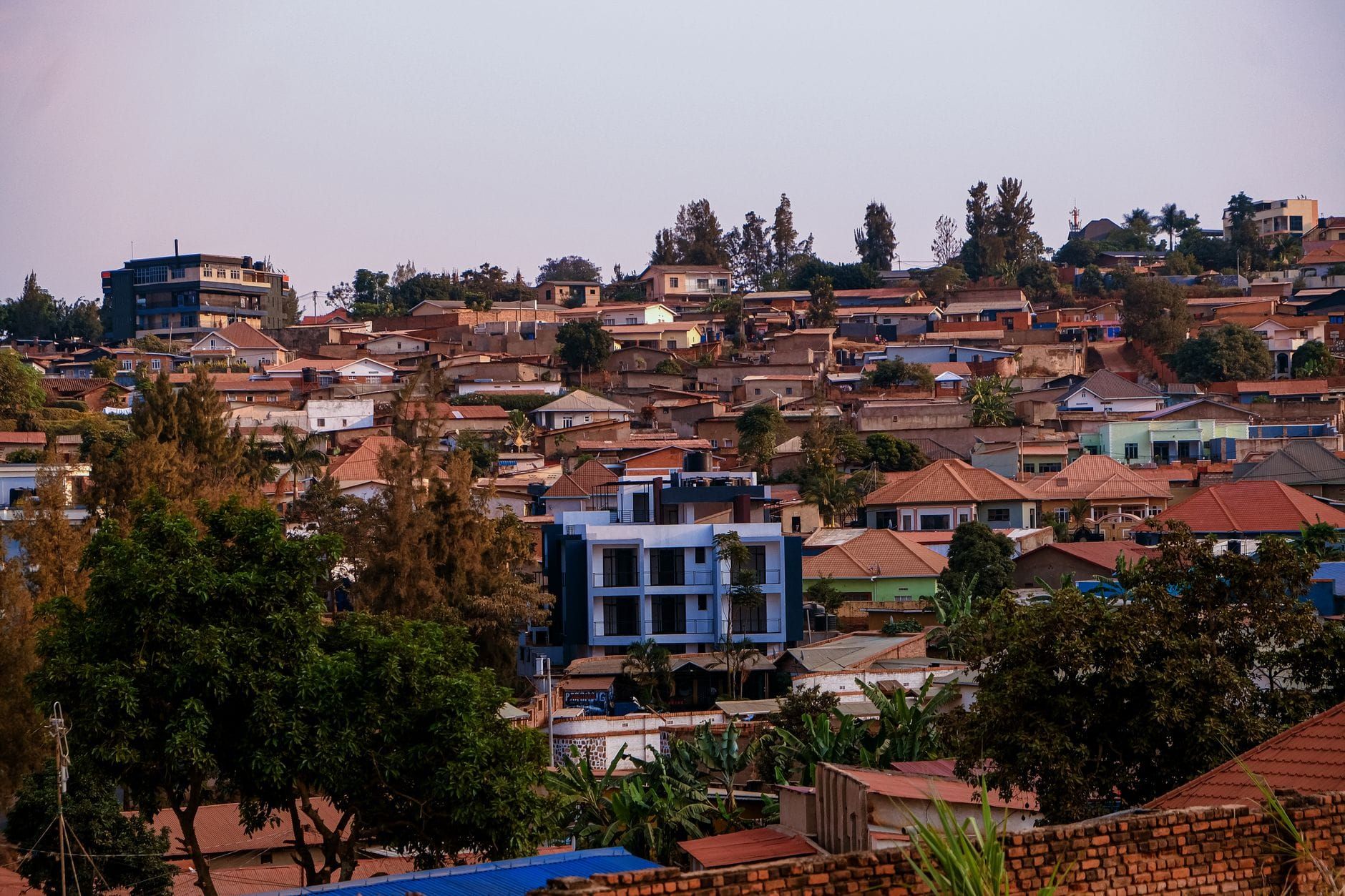
This 10% growth in Q1 2026 places Rwanda among the most dynamic economies on the continent, validating its diversification strategy centered on tech and industry. Kigali Innovation City — 61 hectares, $300 million in initial investment, and 50,000 projected jobs — concretely illustrates this ambition. For Indian Ocean decision-makers and investors, Rwanda remains a key gateway to East Africa.
Source: Minecofin (Rwanda Ministry of Finance and Economic Planning), Q1 2026 data.