
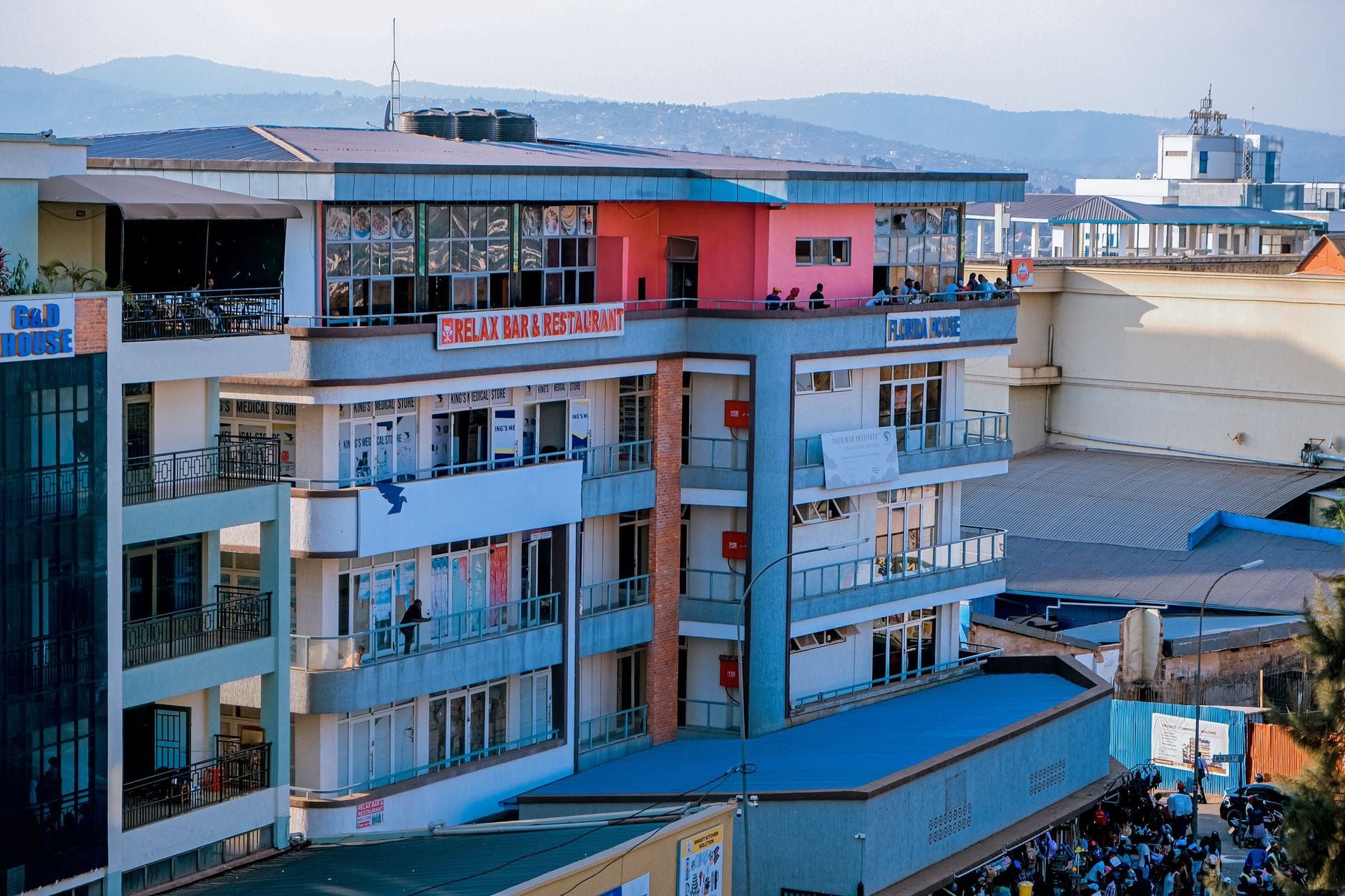
Rwanda is posting one of East Africa's strongest economic performances in 2026, with projected growth of 7.2% according to the UN Economic Commission for Africa (ECA). The result is driven by deep structural reforms, sustained public investment and broad diversification — with the construction of the future Bugesera International Airport as a backdrop.
Reforms bearing fruit
The ECA highlights that Rwanda's performance rests on prudent macroeconomic management and reforms targeting an improved business environment. In 2025, the country already achieved growth of 9.4% — among the continent's highest. The moderation to 7.2% in 2026 reflects a natural recalibration after an exceptional year, not structural deterioration.
Inflation, which reached 7.2% in 2025 due to energy and transport costs, is expected to fall to 5.6% in 2026, remaining within the central bank's target range of 2–8%.
Investment: diversified growth engines
Rwanda's economy is advancing on multiple fronts simultaneously: industry, services, agriculture and tourism. Public investment allocations cover infrastructure, agricultural expansion, education, health, electrification and housing. This diversification reduces dependence on a single sector and enhances resilience to external shocks.
The centrepiece remains Bugesera International Airport, currently under construction. Once operational, it is expected to propel Rwanda as a regional logistics hub, reinforcing the competitiveness of a services sector already the top contributor to growth.
Social progress: improving indicators
Beyond economic figures, the ECA notes notable social progress: poverty reduction, improved child health and parliamentary representation of women among the world's highest. These advances reinforce social cohesion and institutional stability — two crucial factors for investor confidence.
The private sector confirms this dynamic at the regional level: private sector credit in neighbouring Tanzania grew 20.3% in 2025, signalling that East Africa as a whole is regaining financial vitality. The zone averages 6% regional growth for 2026, according to the African Development Bank.
Why it matters
For investors and operators from the Indian Ocean, East Africa is becoming indispensable. Rwanda, a regional connectivity hub with RwandAir and Bugesera, represents a natural gateway to a market of 350 million people. Kigali's macroeconomic solidity offers a valuable counterweight against instability in some neighbours and the turbulences of global markets.