
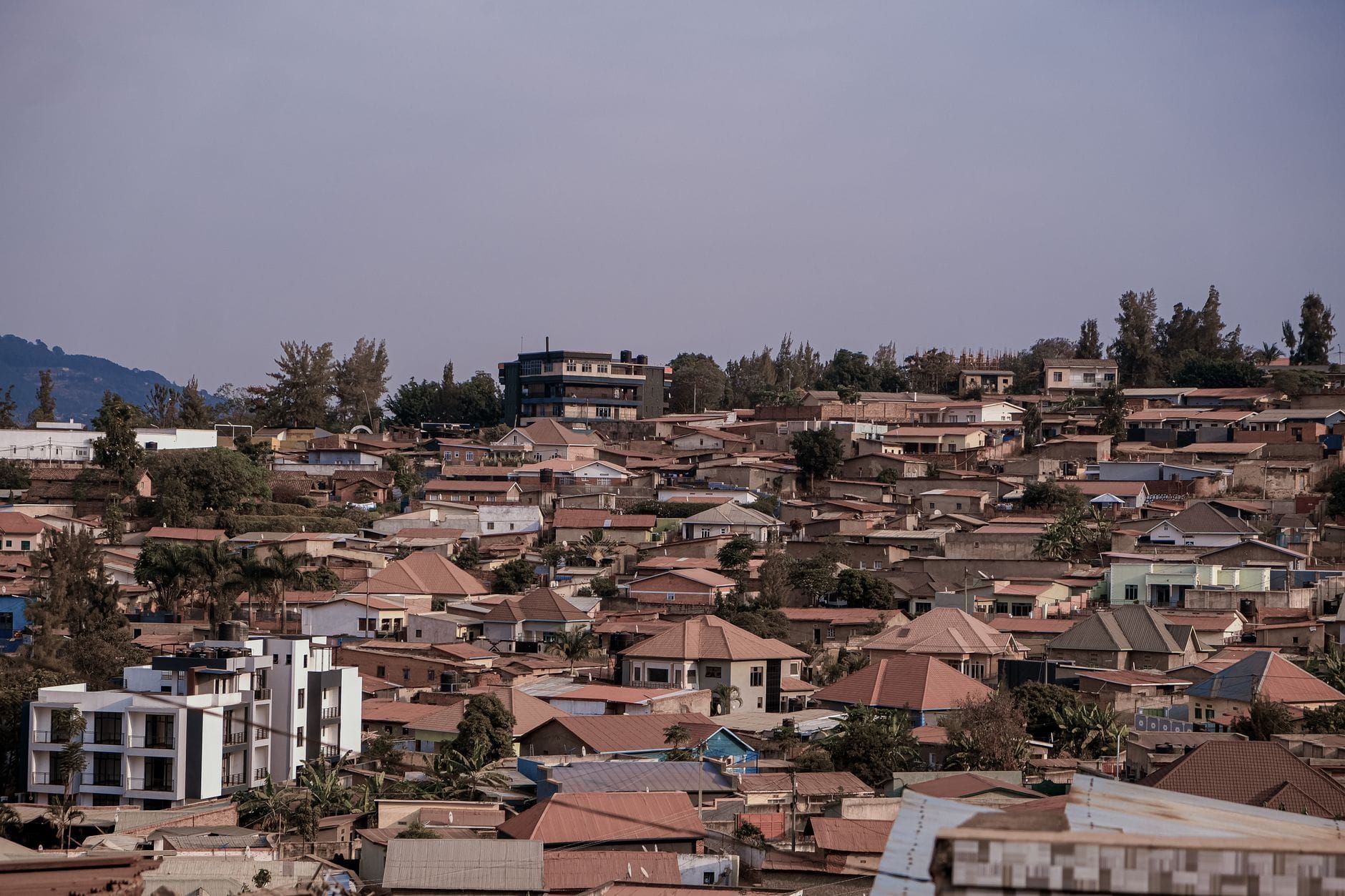
Rwanda's Cabinet adopted the Finance Bill for fiscal year 2026-2027 in June 2026, at 7,796.3 billion Rwandan francs — approximately $5.3 billion — a 12% increase year on year. The budget reflects Rwanda's sustained growth trajectory: GDP expanded 9.4% in 2025, well above the initially projected 7%.
Predominantly Domestically Financed
Approximately 68% of resources (5,273.8 billion francs) come from domestic sources, a sign of the economy's improving revenue mobilisation. Foreign grants account for 7% of the total — a declining share that reflects Kigali's commitment to reducing aid dependency.
Priorities: Agriculture, Industry, Jobs
The 2026-2027 budget targets four priority axes: agricultural production, industrial development, job creation and macroeconomic stability. These four pillars align with Rwanda's Vision 2050, which aims to make the country an upper-middle-income economy.
Public Debt Under Watch
Fitch Ratings anticipates public debt at approximately 79% of GDP in 2027, up from 75% in 2025. The agency nonetheless maintains growth forecasts above 7% for 2026, underlining the resilience of Rwanda's economic model despite rising debt levels.
Why It Matters for the Indian Ocean
Rwanda is asserting itself as one of East Africa's benchmark markets, with a business environment ranked among the continent's most favourable. For Mauritian, Réunionnais or Malagasy operators, Kigali represents a strategic pivot point toward Central Africa and the Great Lakes region — a market of 200 million people undergoing rapid economic integration.
Source: Agence Ecofin, 10 June 2026. Fitch Ratings.