
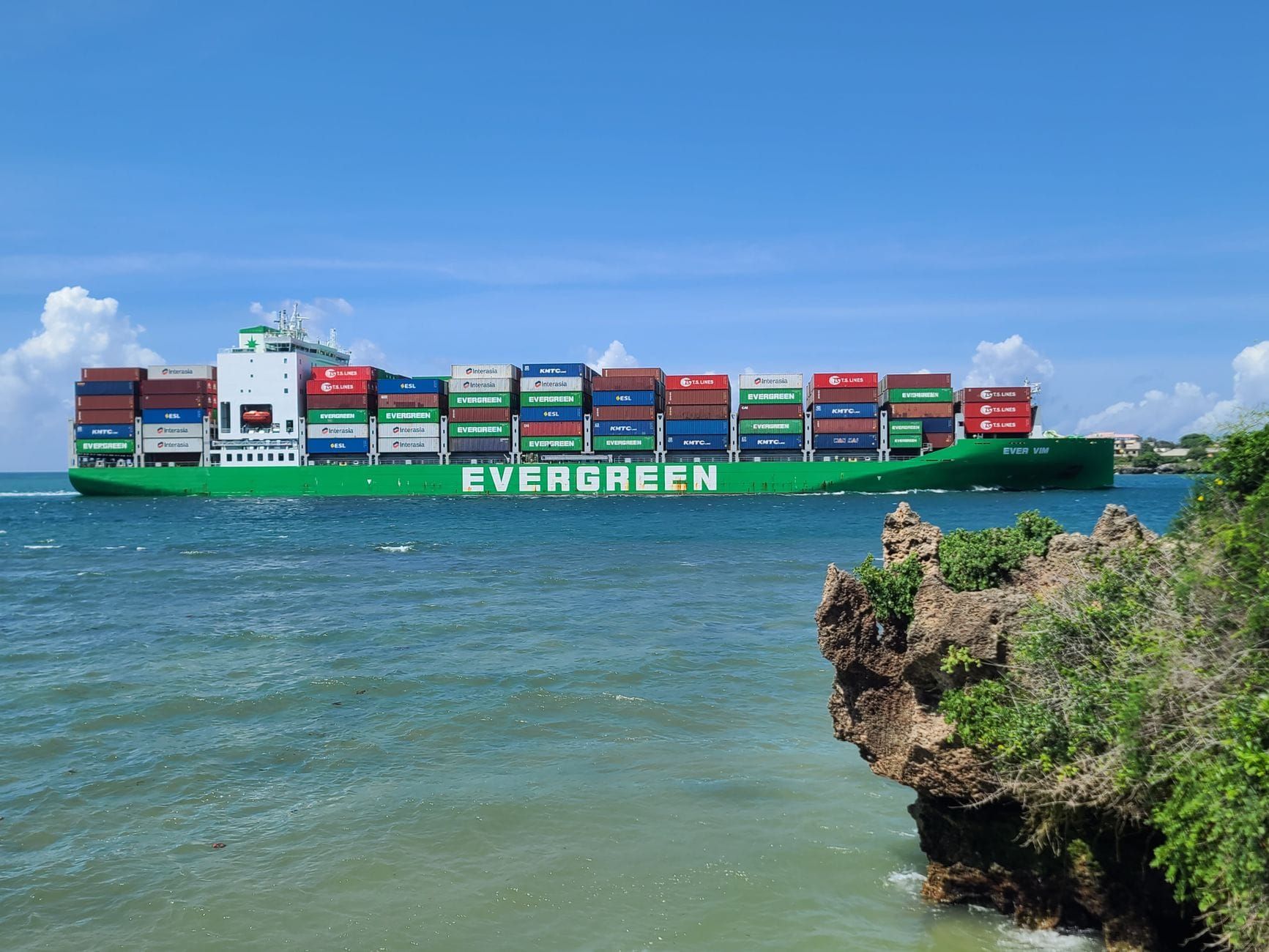
On 10 June 2026, in Mauritius, the European Union and the four Eastern and Southern African states — Comoros, Madagascar, Mauritius and Seychelles — concluded a modernised Economic Partnership Agreement (EPA), the first of its kind between the EU and Sub-Saharan African partners. It passed under the media radar, yet its commercial and strategic implications for the region are far-reaching.
By the numbers
In 2024, goods trade between the ESA4 and the European Union amounted to €9.7 billion. European imports from the four island nations stood at €5.2 billion, against €4.5 billion in exports to the region. The EU already accounts for 24% of ESA4 goods trade and 33% of their services trade. European direct investment in the zone reaches €20 billion.
Far more than a tariff deal
Compared to the interim agreement in place since 2019, this new version covers previously untouched ground: services, investment, public procurement, intellectual property, digital trade and sustainable development. That is precisely what makes it a next-generation deal — and the first of this depth between the EU and Sub-Saharan Africa.
The agreement remains open to accession by other ESA states, giving it broader regional ambition. Over time, it could draw in further East African economies.
Why it matters
For small, highly open island economies — often dependent on tourism and commodity exports — embedding within a structured trade framework with the world's largest economic bloc is a guarantee of stability and investor attractiveness. The inclusion of services and digital trade is especially relevant for Mauritius and Seychelles, which stake their competitiveness on finance and technology. For Madagascar and Comoros, the signal sent to markets is one of normalisation and openness that their rating agencies are watching closely.
Sources: EEAS, European Commission, Seychelles News Agency, Agence Europe (June–July 2026)