
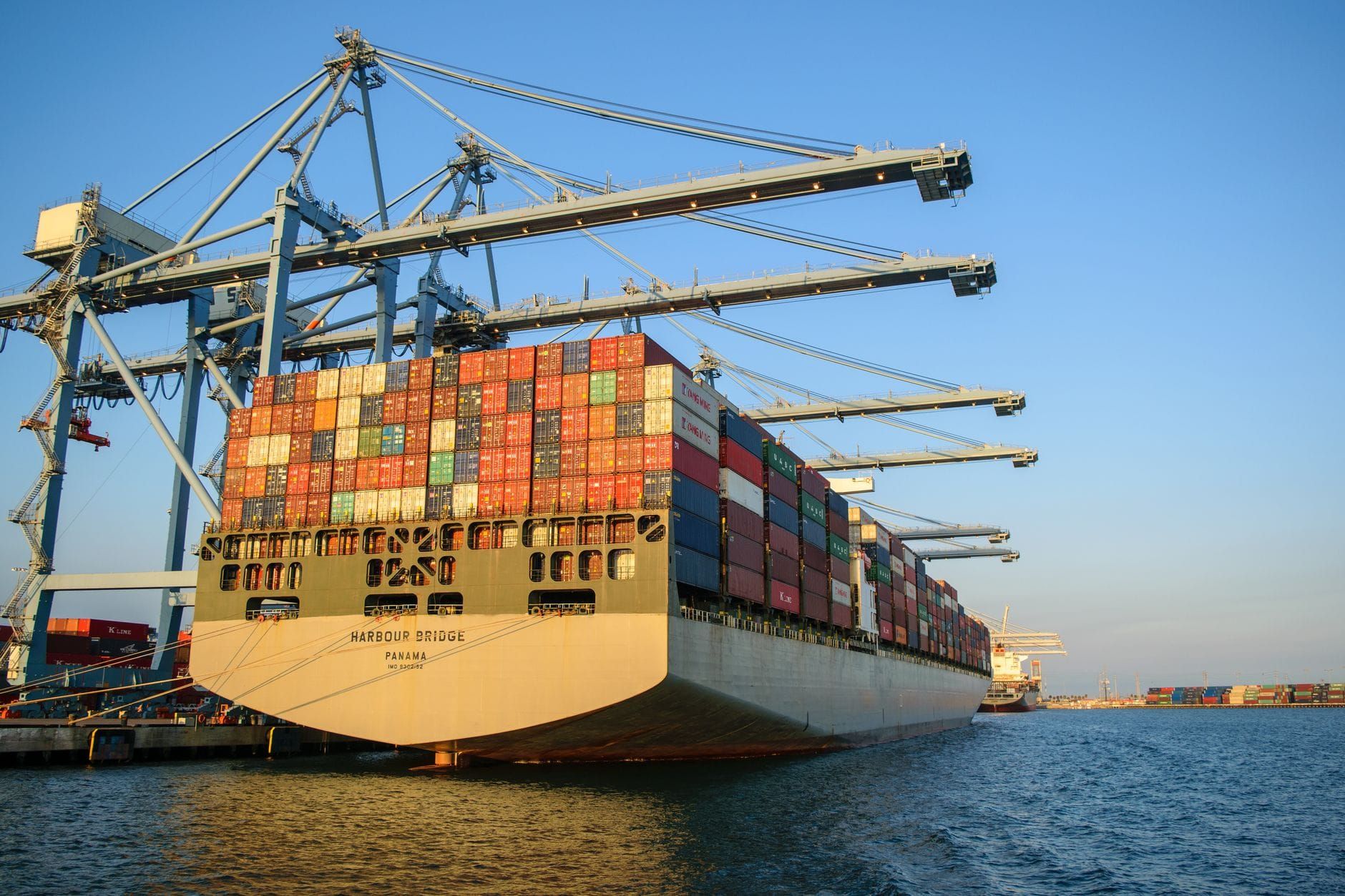
In June 2026, the European Union and four Eastern African island states — Madagascar, Mauritius, the Comoros and the Seychelles — concluded the modernisation of their Economic Partnership Agreement (ESA-EPA). An unprecedented deal, described by Brussels as "a first of its kind with sub-Saharan African countries", designed to durably strengthen commercial ties between the two regions.
An Agreement Years in the Making
The original Economic Partnership Agreement between the EU and the Eastern and Southern Africa (ESA) group was concluded in 2009 and had been provisionally applied since 2012. Seventeen years on, its modernisation marks a decisive step: rather than simply granting preferential market access to the four islands' exports, the new framework is a comprehensive trade partnership incorporating investment provisions, sustainable development clauses and measures to reduce non-tariff barriers.
The stated objectives are threefold: to boost bilateral trade flows, attract greater foreign direct investment to the region, and strengthen economic integration between Europe and the Indian Ocean. "A first of its kind with sub-Saharan African countries," the European Commission noted in its joint press release.
Concrete Opportunities for Exporters
For Madagascar, the modernised EPA could consolidate exports of textiles, vanilla and shellfish to Europe — a market that accounts for a significant share of its external outlets. Mauritius, whose economy relies heavily on financial services, tourism and the textile industry, sees the agreement as a positive signal to attract European companies looking to establish operations in the zone. The Seychelles and the Comoros are counting on better integration of their fisheries products and tourism sectors.
The Réunion and Mayotte Controversy
The agreement has not been without controversy in France. Younous Omarjee, Vice-President of the European Parliament, publicly denounced the exclusion of Réunion and Mayotte from the negotiations. As outermost regions of the European Union, France's two Indian Ocean territories are not among the direct beneficiaries of this preferential trade agreement — a paradoxical situation for territories geographically at the heart of the ESA zone.
This exclusion raises a fundamental question about the coherence of EU trade policy towards its own ultraperipheral territories, and calls on economic actors in Réunion and Mayotte to closely monitor the agreement's application.
Why It Matters
This modernised partnership redefines the commercial rules of engagement between Europe and the Indian Ocean for decades to come. In a context of intensifying competition from China and India for economic influence in the region, the agreement positions the four signatory islands as preferred EU partners — with preferential advantages to be seized, particularly by exporting SMEs. For decision-makers across the zone, the challenge is now to translate this agreement into tangible business flows. Sources: European Commission / EEAS, newsmada.com, outremers360.com, trade.ec.europa.eu.