
The Malagasy government presented its Initial Finance Bill (PLFI) for 2027 on 10 November 2026, structured around three strategic priorities: local production development, energy transition and formal job creation. This budget marks a notable shift from previous years, with a significant increase in public investment spending.
According to data published by Madagascar's Ministry of Finance, the 2027 PLFI targets GDP growth of 5.1%, compared to an estimated 4.3% for 2026. This ambition is largely underpinned by a 23% increase in the public investment budget, expected to reach 4,200 billion ariary (approximately US$900 million).
Energy is at the heart of this budget. Madagascar, which suffers from chronic electrification gaps — fewer than 20% of rural households are grid-connected — has ring-fenced specific funding for solar installations in remote areas. The «Hita Maso» village mini-grid programme will see its budget doubled.
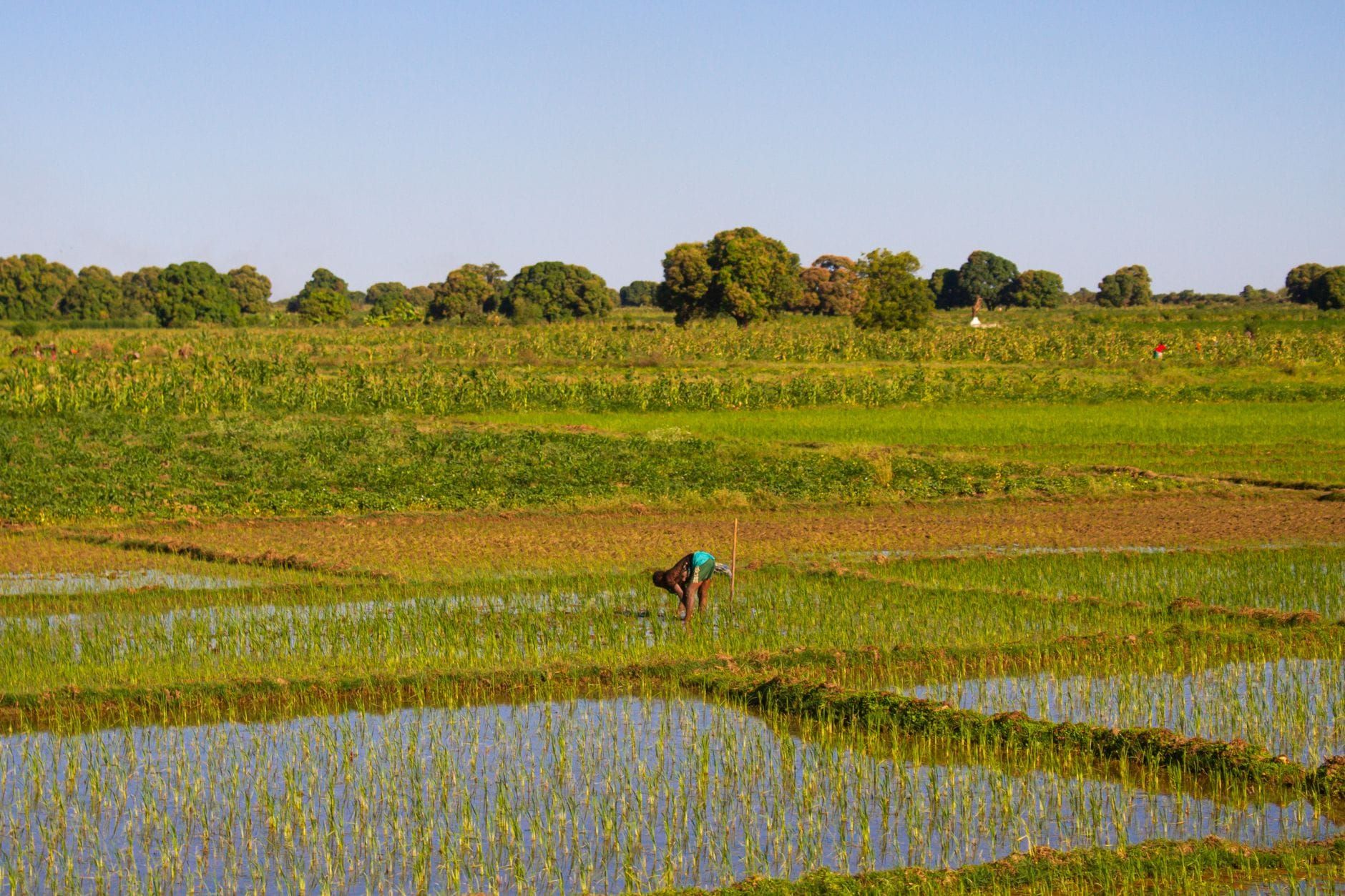
On local production, the government intends to strengthen agricultural value chains through irrigation and mechanisation subsidies. Madagascar, which still imports a significant share of its rice despite its strong rice cultivation potential, aims to reduce food import dependence amid volatile global prices.
The industrial sector is also targeted: special economic zones will be created in the Antananarivo and Toamasina regions to attract investors into the processing of natural resources — vanilla, cocoa and gemstones — where Madagascar is a world-class producer.
The budget also strengthens social protection programmes, particularly through expanding the «Vatsin'Ankohonany» safety net to 400,000 new beneficiaries, aiming to cushion the impact of structural reforms on the most vulnerable populations.
The 2027 PLFI will be debated in parliament starting next week. Some economists have flagged risks linked to deficit financing, which is expected to widen slightly to 3.8% of GDP, up from the 3.5% projected for 2026.