
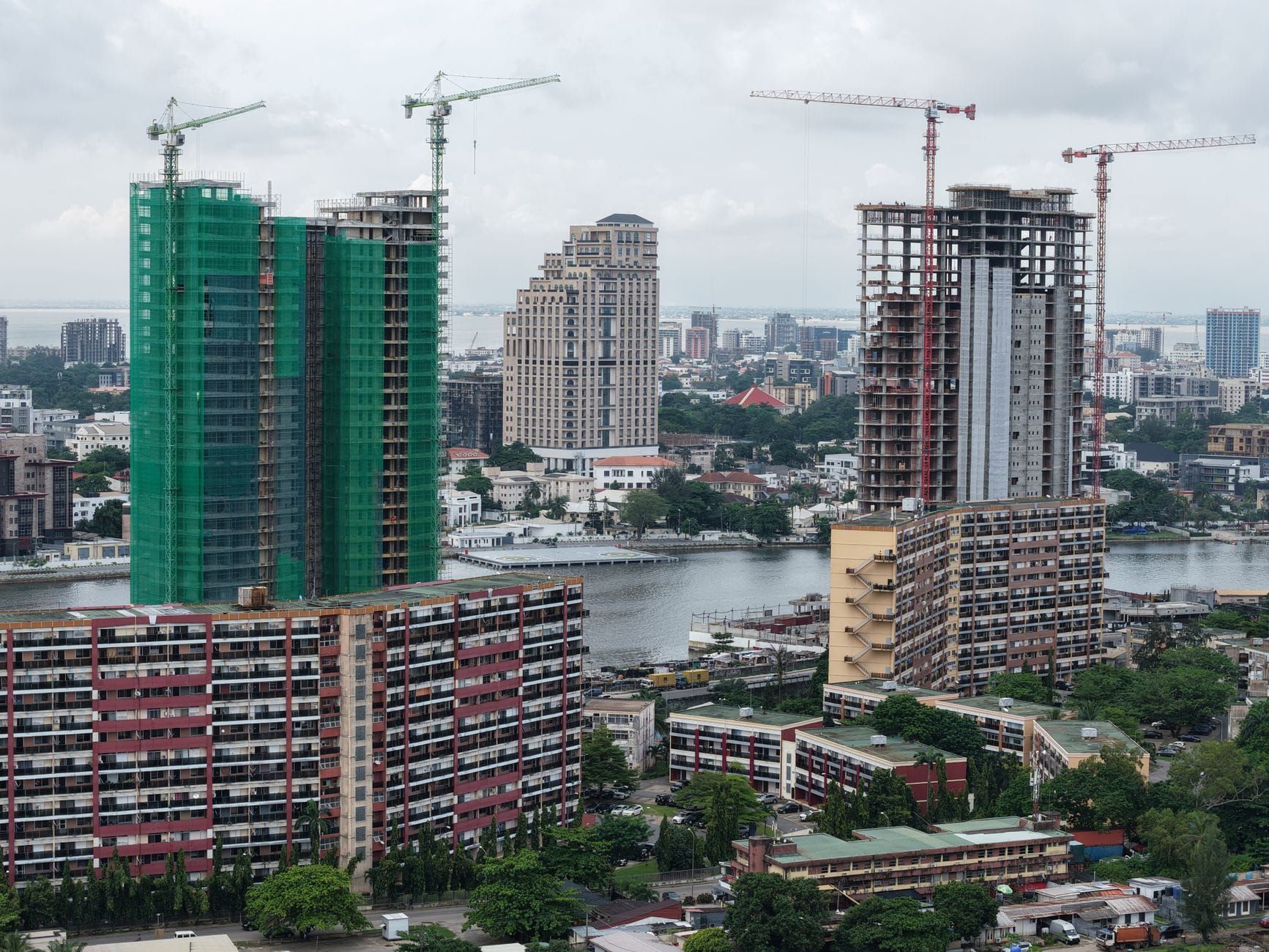
Nigeria attracted $4 billion in foreign direct investment (FDI) in 2025, a 148% surge from $1.61 billion in 2024, according to UNCTAD's World Investment Report 2026 published on August 5, 2026. A spectacular rebound that stands in sharp contrast to Africa's 26% overall FDI decline.
Nigeria Rejoins the Top Investment Destinations
With $4 billion, Nigeria rejoins the top 5 most attractive FDI destinations in Africa. The country had suffered a major investor exodus in recent years, penalised by naira instability, foreign exchange controls, and a difficult business environment. Reforms undertaken since 2023 — exchange rate unification, removal of fuel subsidies — appear to be producing their first tangible results on investment flows.
Oil Still at the Core
Oil, gas, and energy sectors absorb the bulk of these flows. UNCTAD notes that this concentration in extractive industries raises questions about investment quality: are these capital flows generating genuine industrialisation, quality jobs, and lasting export competitiveness? Analysts are calling on Nigeria to «not mistake capital inflows for lasting economic value creation».
A Difficult African Context
In 2025, FDI into Africa fell 26% to around $70 billion — just 4.3% of global flows, even as global FDI rose 6% to $1.624 trillion. This widening gap reflects persistent structural factors: political instability across several regions, difficult access to financing, and infrastructure deficits.
A Signal for Regional Investors
Nigeria's rebound demonstrates that resolute economic reform can quickly reverse investor sentiment. For Indian Ocean actors looking towards continental Africa, the signal is clear: Nigeria, with 220 million consumers and Africa's largest economy, remains a critical target market despite its challenges.
Why It Matters
For Mauritius, Réunion, and Madagascar-based businesses positioning themselves as gateways to the African market, Nigeria's renewed attractiveness confirms the direction to take. Mauritius in particular aspires to be Africa's financial hub — a Nigeria capturing 148% more capital is both a competitor to watch and a potential partner to cultivate.
Source: UNCTAD, World Investment Report 2026, published August 5, 2026.