
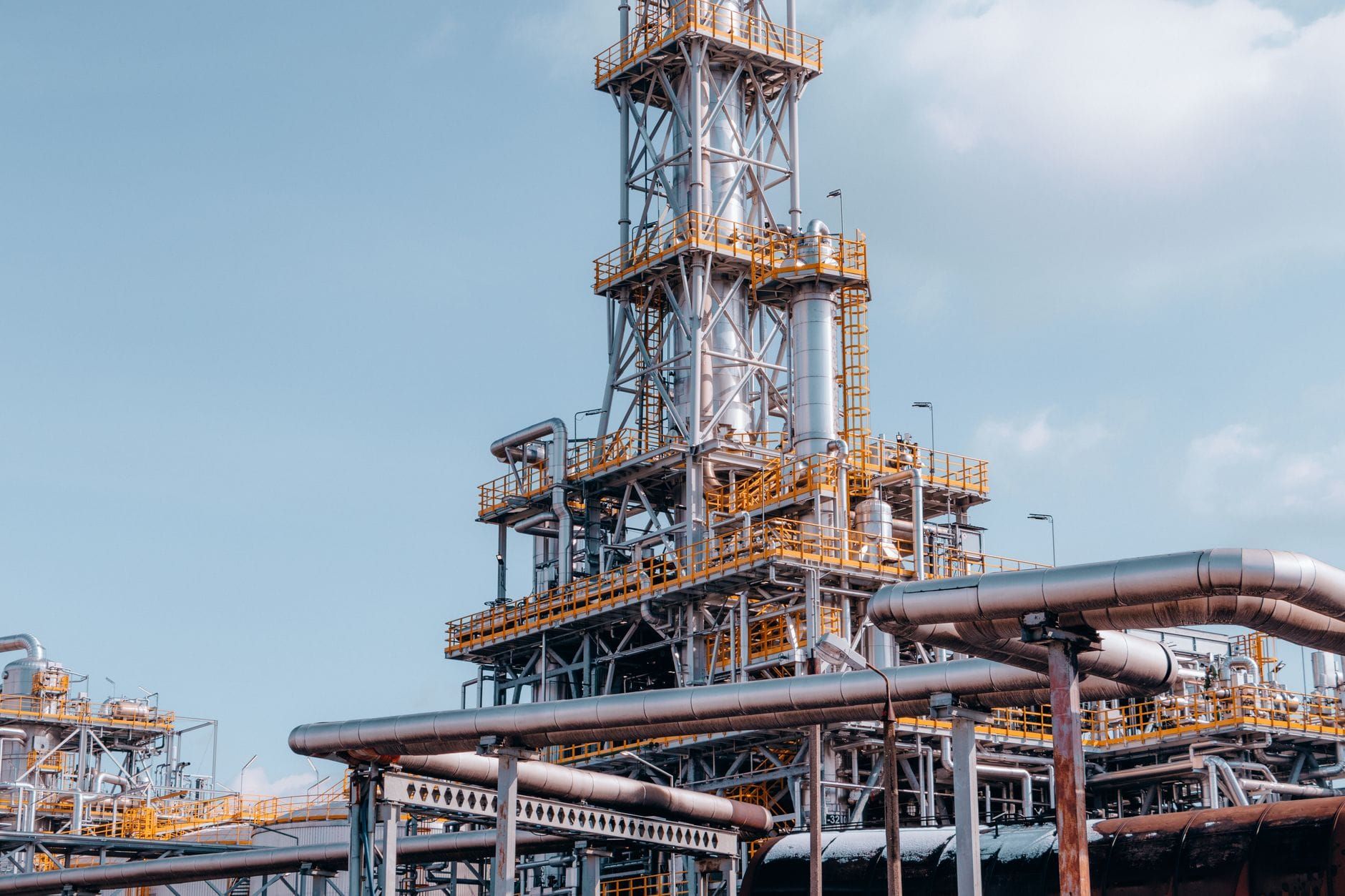
The Dangote Refinery, Africa's largest, has closed a $2.5 billion fundraise — 3.7 times oversubscribed. The transaction, placed on international debt markets, will fund the expansion of processing capacity to 1.4 million barrels per day by 2028. An investment that redraws Africa's oil map — and could fundamentally change the continent's dependence on imported refined fuels.
A strategic pivot for oil-producing Africa
The Dangote Petroleum Refinery, inaugurated in Lagos in 2023, currently processes around 650,000 barrels per day. With this fundraise, the target is to more than double that capacity to 1.4 million barrels/day — which would make it one of the world's largest refineries. A 3.7× subscription rate illustrates market appetite for large-scale African energy infrastructure.
For Nigeria, the immediate strategic issue is clear: the country is Africa's top oil producer, yet until recently imported most of its refined fuel products due to insufficient domestic refining capacity. Dangote has already begun to address this structural anomaly. The 2028 expansion should resolve it definitively.
A supportive Nigerian macro backdrop
The fundraise comes against a supportive macroeconomic backdrop. In 2025, Nigeria's net foreign currency inflows reached $60.8 billion (versus $58.2 billion in 2024), with gross inflows of $109.9 billion (+13.8%) against outflows of $49.1 billion (+27.8%). This dynamic has stabilised the naira and rebuilt foreign exchange reserves — two conditions essential to attracting investments of this scale.
S&P Global also acquired a majority stake in Augusto&Co, Nigeria's leading ratings agency operating across Africa — a sign that international financial markets are accelerating their integration with the continent.
Why it matters
An Africa capable of refining its own oil is an Africa capturing greater value added. Every barrel refined on the continent means a skilled industrial job created locally, a reduction in import bills and a strengthening of energy sovereignty. For Indian Ocean economies that still import most of their fuels, the Dangote model represents a horizon — and a wake-up call: Africa's industrial transformation is well underway.