
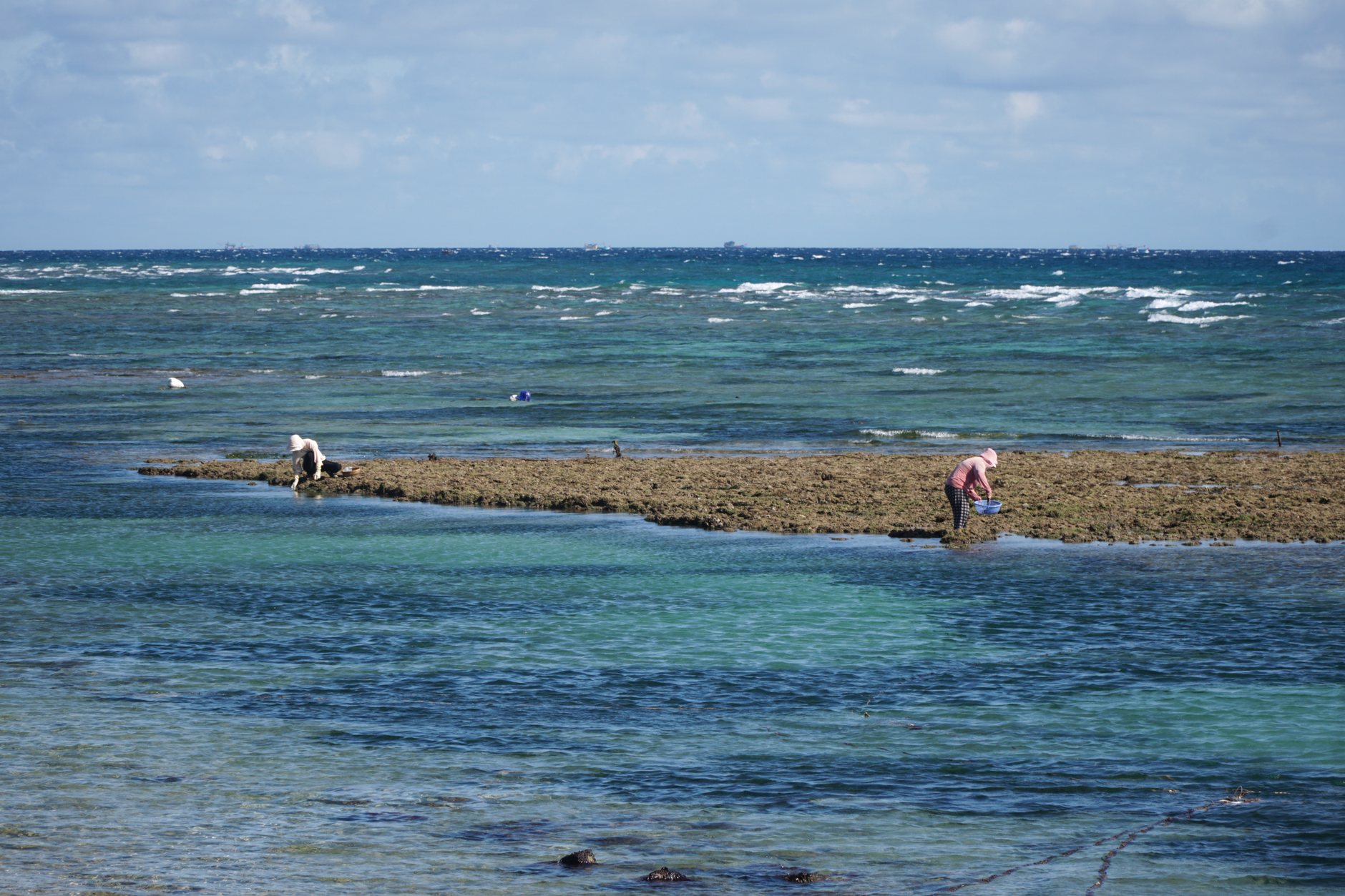
At the WIO Futures 2026 conference organised by the Charles Telfair Centre, Agriculture Minister Arvin Boolell laid out Mauritius's blue economy ambition: raising its contribution from 10.5% to 20% of GDP by 2035. The target is backed by a 2.2 million km² EEZ and new legislation currently in preparation.
The Ocean at the Core of Economic Strategy
The blue economy already contributes 10.5% of Mauritius's GDP, but the country is aiming higher. A new national blue economy strategy was expected by July 2026, and specific legislation is being drafted to govern this expanding sector. The approach goes well beyond traditional fishing to embrace high-value activities including marine renewable energy, coastal biotechnologies, sustainable aquaculture, deep-sea minerals and responsible cruise tourism.
Mauritius's EEZ spans 2.2 million km², with a further 400,000 km² of shared continental shelf jointly managed with the Seychelles — a vast maritime asset that remains largely untapped.
2035 Targets: Blue GDP and Renewable Energy
Beyond the blue economy, Boolell confirmed the ambition of reaching 60% renewable energy in the national electricity mix by 2035. WIO Futures gathers scientists, policymakers, diplomats and private sector leaders around Indian Ocean western governance. A marine protected area is also envisaged around the Chagos archipelago, potentially strengthening Mauritius's international ocean governance profile.
Why It Matters
Doubling blue economy GDP contributions by 2035 is not symbolic — it is a structural economic transformation. For a country whose financial sector faces growing international regulatory pressure, the blue economy offers a credible diversification path. For other Indian Ocean nations — Seychelles, Madagascar, Réunion, Comoros — the Mauritian strategy may become a regional policy template.