
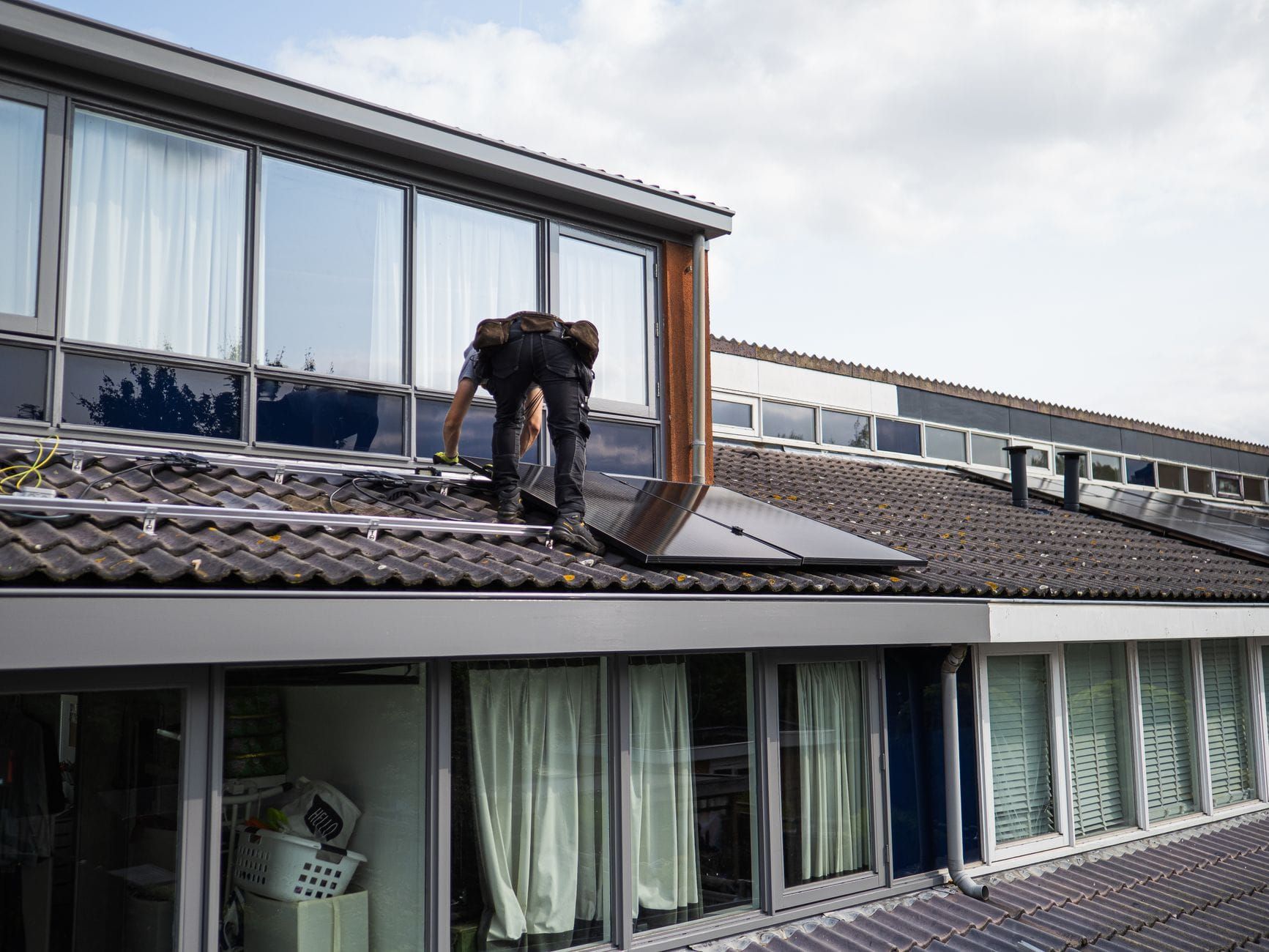
Mauritius is accelerating its transition to renewable energy. Since late July 2026, the Central Electricity Board (CEB) has been offering households a direct grant of up to Rs 75,000 for the installation of photovoltaic solar panels — a key measure of the 2026-2027 budget, now in full deployment.
How the scheme works
The "Solar Photovoltaic Scheme for Households 2026," managed by the CEB, allows eligible households to receive a direct subsidy for the purchase and installation of rooftop solar panels. The grant can reach Rs 75,000 per household, depending on the installed system's capacity and household income.
The scheme fits within the net-metering logic already in place in Mauritius: households produce their own electricity, prioritise self-consumption, and feed surplus power back into the CEB grid in exchange for a tariff compensation. A dual benefit: reduced electricity bills and a contribution to the national decarbonisation target.
A persistent paradox: solar speeches, coal sockets
The momentum is real, but analysts point to a structural contradiction. The 2026-2027 budget champions green energy, yet Mauritius's electricity mix remains predominantly reliant on coal and heavy fuel. The stated targets — 60% renewable energy by 2030 — will require a far faster rollout than the current pace.
A Defi Media Group blog summed it up in late August: "Solar in speeches, coal in the sockets: the great energy paradox of the 2025-2026 and 2026-2027 budgets." This tension between ambition and grid reality is the main challenge of the Mauritian transition.
Strong household demand
When the application window opened, requests to the CEB were numerous, signalling genuine household appetite to reduce electricity bills. Testimonials from early beneficiaries, published in August, show substantial monthly savings once panels are installed and net-metering is activated.
Why it matters
Energy is the lifeblood of island economies. Reducing dependence on imported fossil fuels means narrowing the trade deficit, improving resilience to oil shocks, and freeing up purchasing power for households. The CEB's Rs 75,000 subsidy is one piece of the puzzle, but it demonstrates that well-designed public policy can accelerate private behaviours that the market alone would not generate fast enough. For the other islands of the Indian Ocean, it is a model worth studying.
Sources: CEB Mauritius, defimedia.info, 5plus.mu, Maurice Info — Solar Photovoltaic Scheme Households 2026