
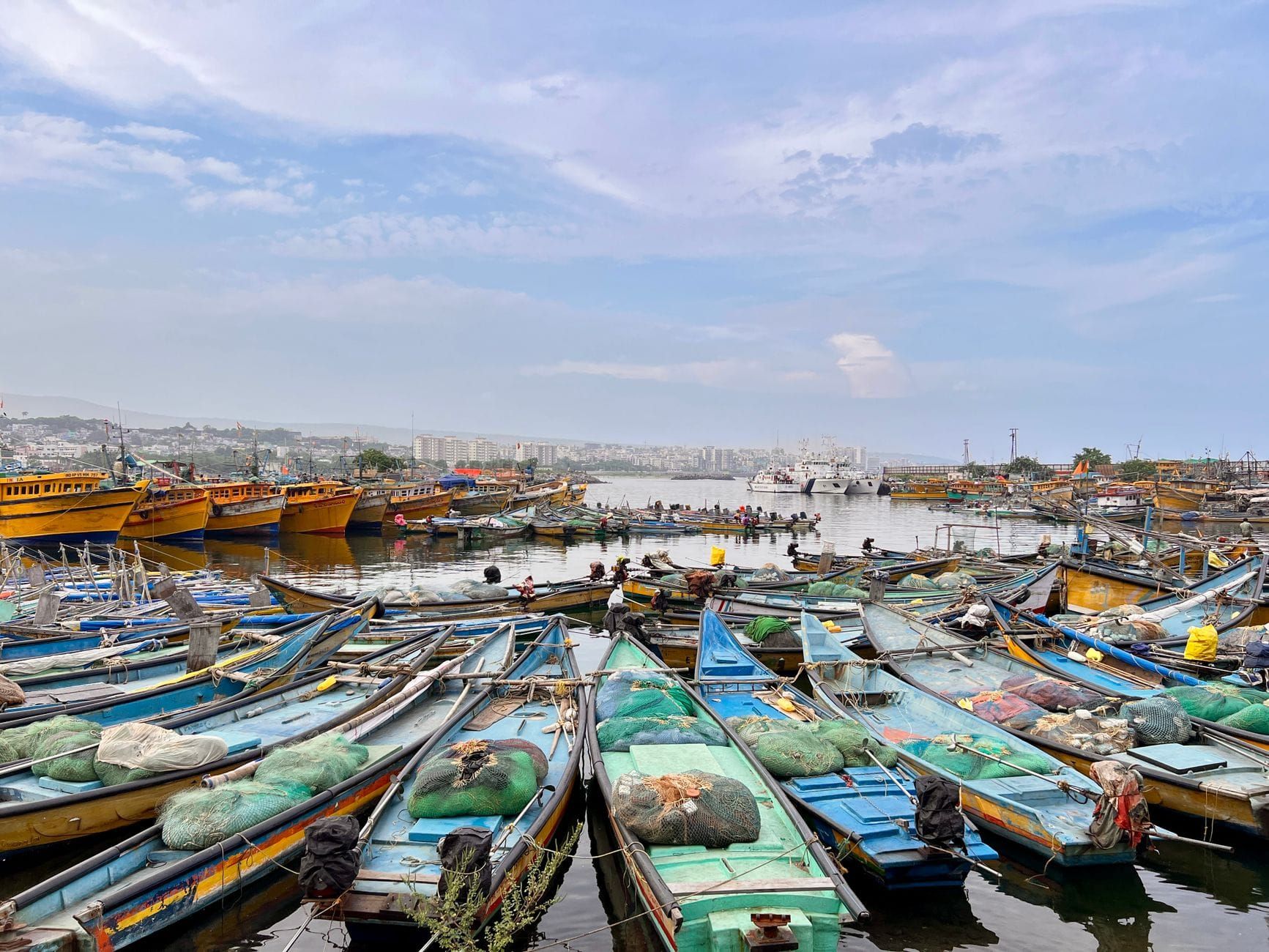
Mauritius is doubling down on the blue economy. In August 2026, the UN officially recognised an additional 147,000 km² of continental shelf near Rodrigues. On the back of that, Minister Arvin Boolell announced a framework law expected before November 2026 to unify governance across all ocean-related sectors.
A Historically Expanded Maritime Territory
The UN's recognition of an additional 147,000 km² of continental shelf around Rodrigues represents a major geopolitical and economic advance for Mauritius. This maritime territory adds to an exclusive economic zone (EEZ) already several times the size of the island's land surface. Potential resources include deep-sea minerals, biological resources from the ocean depths and future blue economy uses — current energy, responsible seabed exploitation and offshore aquaculture.
A Framework Law to End Fragmentation
Currently, fisheries, maritime services, marine conservation and ocean industries each fall under separate authorities with fragmented regulations. This fragmentation represents a "cost for investors," as Minister Boolell himself acknowledges. The framework law in preparation will centralise governance of all ocean activities under a single framework, simplifying project approvals and strengthening sector attractiveness.
"We are developing a framework law that will be ready before November 2026," Minister Arvin Boolell confirmed in a June 2026 interview with Eco Austral.
Mauritius vs. Seychelles
The Seychelles issued the world's first sovereign blue bond back in 2018, gaining an early lead in blue economy financing. Mauritius, with its more robust financial services sector — the Mauritian economy is projected at USD 17.1 billion by the IMF for 2026 — has the assets to issue comparable ocean debt instruments and structure climate-linked marine conservation financing.
Why It Matters
The blue economy represents the next major growth lever for Mauritius and the Indian Ocean region as a whole. The 147,000 km² recognised by the UN constitutes a considerable strategic asset: the forthcoming framework law will determine the island's ability to leverage it effectively, attract investors and position Mauritius as a model of responsible ocean governance for the entire region.
Sources: Eco Austral, June 2026; Rio Times Online, August 2026; Ecofin Agency, May 2026.