
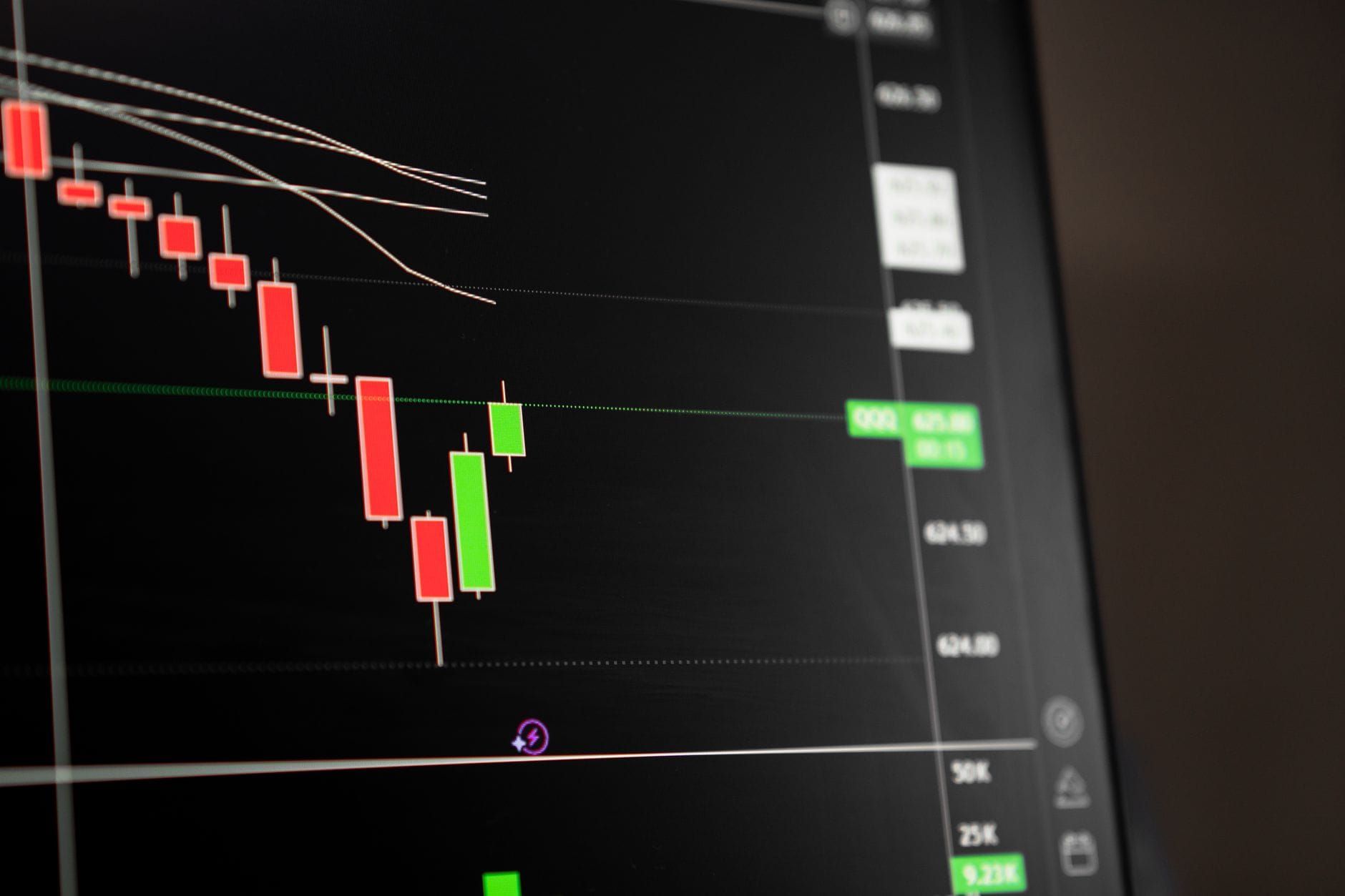
As the September 5 session draws to a close, global financial markets confirm a structural trend: Asia is emerging in 2026 as the clear winner of the global capital rebalancing. For Indian Ocean investors, today's reading is an essential compass.
Asia Outpaces Wall Street: The Figures That Matter
Since the start of 2026, South Korea's Kospi has posted a gain of +44%, Taiwan's TWSE +25%, and Japan's Nikkei 225 +16%. The MSCI AC Asia index is up +12.53% over the same period. In contrast, the MSCI World has gained only +1.96%, while the S&P 500 still trades at 21.8 times expected earnings — a lofty valuation that is curbing fresh allocations.
The US dollar, meanwhile, has fallen more than 7% against emerging market currencies since 2025 — its worst run since 2017. The direct consequence: roughly 75 billion dollars have left US domestic equities in six months, including 52 billion since January 2026. These flows are migrating heavily towards Asia — about 8 billion dollars were injected into Asian emerging equities in January 2026 alone.
Comparative Valuations Favor Diversification
At 21.8 times earnings, Wall Street remains expensive. Europe (15x), Japan (17x) and China (13.5x) offer considerably more attractive entry points. The sectoral composition of the MSCI AC Asia index — technology (28%), financials (19%), industrials (14%) — reflects a productive rather than speculative economy.
"We are witnessing a structural rebalancing of global portfolios," a Goldman Sachs Asia note said this morning. "Institutional investors' long-comfortable reliance on US equities is becoming a concentration risk."
Why It Matters for the Indian Ocean
For businesses and asset managers in Mauritius, Réunion or Madagascar, this rebalancing is not abstract. Mauritian pension funds — including those managed by SBM and MCB — carry exposure to global markets. The weaker dollar raises the cost of USD-priced imports, particularly hydrocarbons, but eases the debt service burden for countries like Madagascar whose external debt is partly dollar-denominated.
The local Mauritius stock exchange, the SEMDEX, navigates this turbulent global backdrop. After its historic record in June 2026 (+4.2% in a single month), operators are watching the next US jobs figures and Fed signals to calibrate their exposure.
What to Watch Tomorrow
US employment data (NFP) expected this Friday will be the next key catalyst. A still-solid US labor market could delay the rate cuts markets are hoping for, reinforcing the rotation towards Asia. The ECB, meanwhile, holds its monetary policy meeting next week. Two appointments that Indian Ocean economic decision-makers cannot afford to miss.