
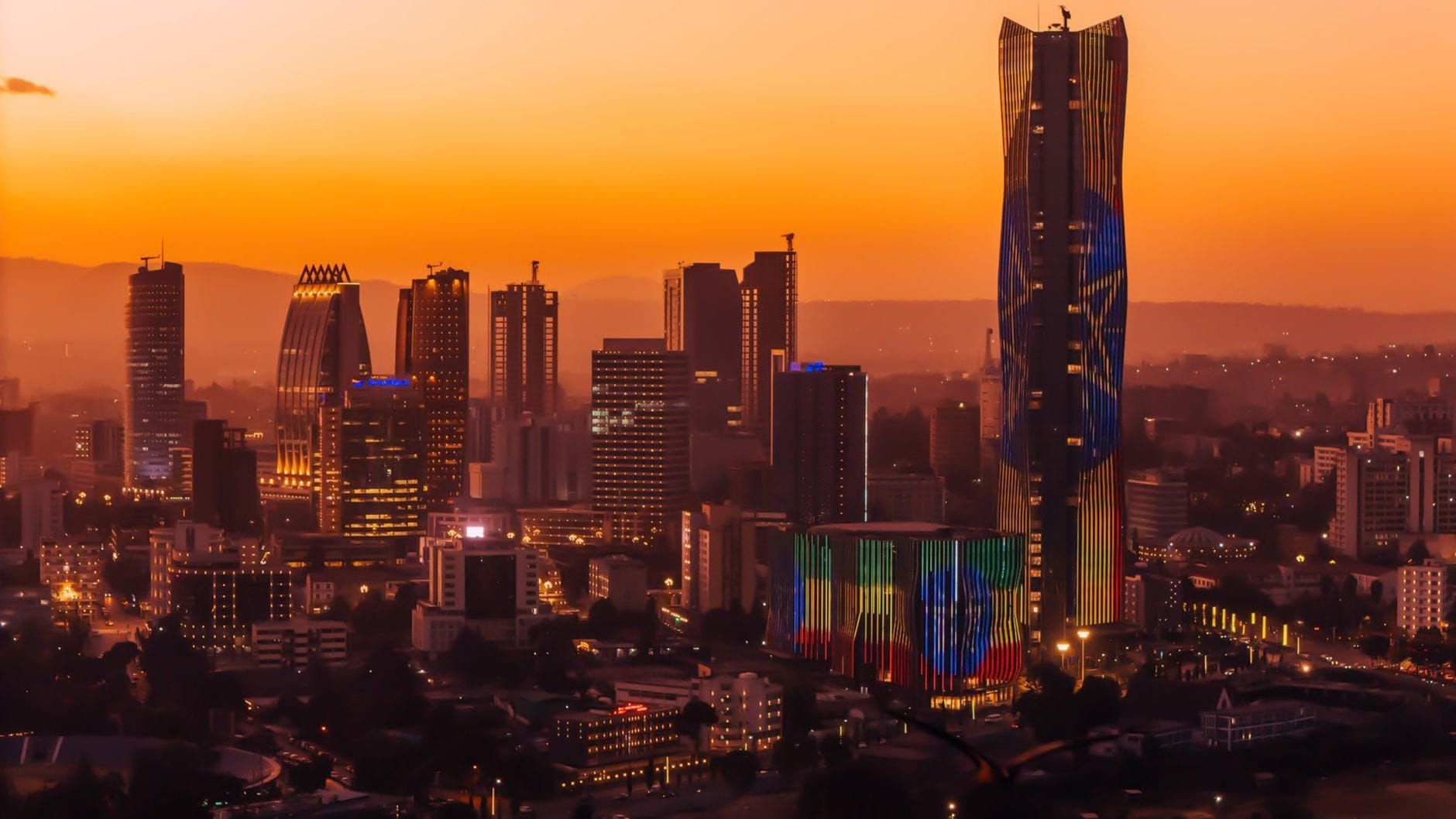
Ethiopia's Parliament unanimously approved a record budget of 2,339 billion birrs, equivalent to approximately $14.5 billion, for the 2026/2027 fiscal year beginning July 8, 2026. Up 21.2% from the previous year, this budget signals Addis Ababa's determination to accelerate its economic transformation within a new medium-term macroeconomic framework.
A Budget Driving Structural Reform
The budget is divided into three main categories: current expenditures, capital investments, and regional subsidies. A significant portion is dedicated to financing the Sustainable Development Goals (SDGs), consistent with commitments made at major multilateral conferences.
This vote comes as the International Monetary Fund approved the 5th review of its program with Ethiopia, validating progress toward macroeconomic stabilization. Ethiopian exports reached a record $11 billion in goods during 2025/2026, driven by coffee, cut flowers, and oilseeds.
Among Africa's Strongest Growth Prospects
The government projects GDP growth of 8.9% to 10.1% for the current fiscal year — figures placing Ethiopia among the continent's most dynamic economies. The World Bank and the United Nations have consistently cited Ethiopia and Kenya as East Africa's two growth engines for 2026.
The 400 billion birr budget increase is presented by authorities as a response to «increased state financing needs» within the new medium-term macroeconomic plan adopted in 2025.
Why It Matters
With over 130 million inhabitants, Ethiopia is Africa's second most populous country and one of the must-watch markets for Indian Ocean investors. A 21% budget increase signals enhanced public spending capacity — infrastructure, energy, agriculture — creating concrete opportunities for regional companies positioning themselves on the African continent. Mauritian businesses using the island as a springboard to Africa should closely monitor upcoming tenders.