
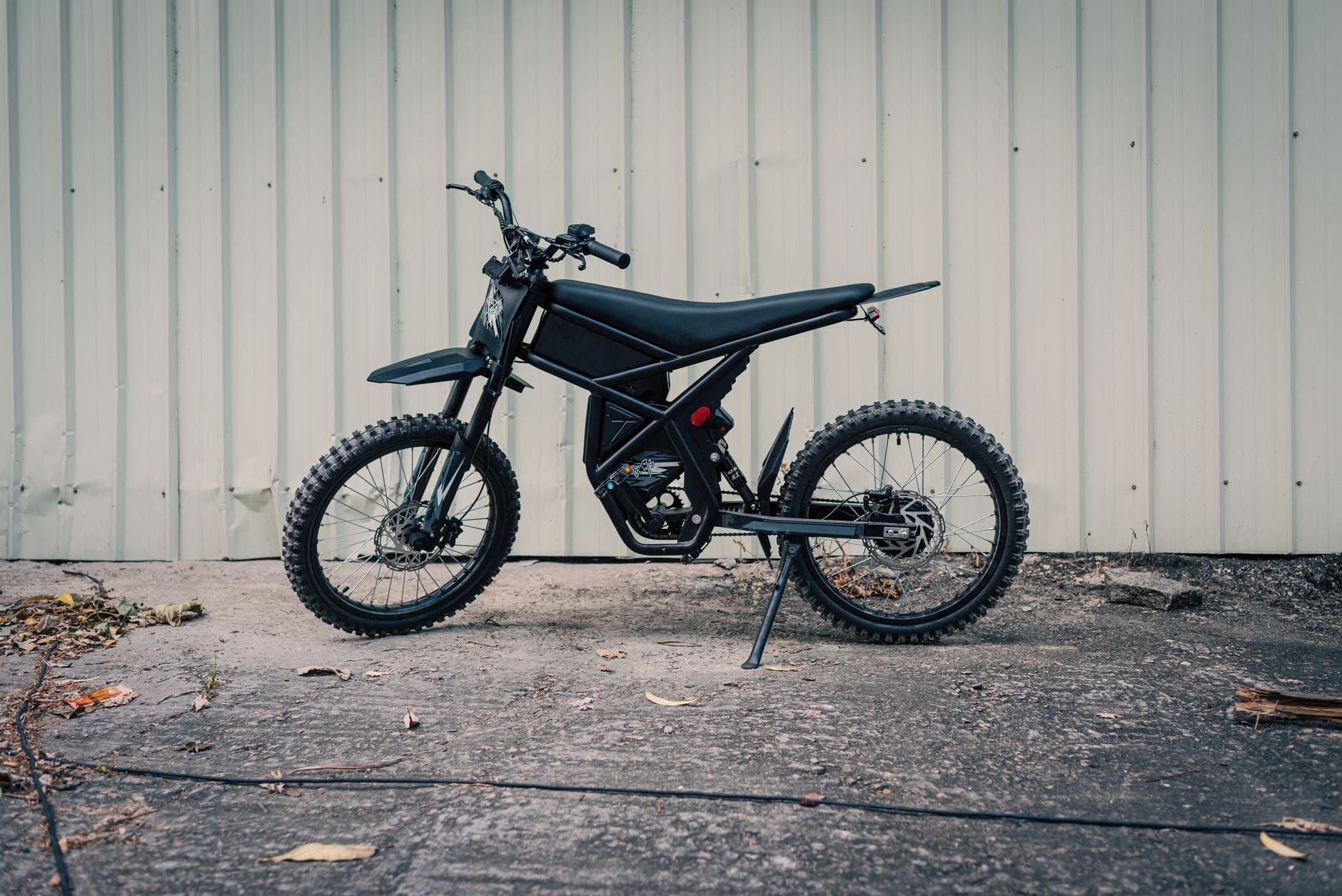
African electric mobility company Spiro closed a $215 million equity raise, announced in early June 2026, with investors including Impact Fund Denmark and Equitane. This adds to a $50 million debt facility secured in February 2026 and $100 million from Afreximbank in October 2025. In total, the company has mobilised more than $365 million within one year.
100,000 Vehicles and 2,500 Battery Stations
Spiro operates in seven African countries, with a particularly strong presence in Kenya and Uganda. Its model is built around electric motorcycles paired with battery-swapping infrastructure — riders exchange a depleted battery for a charged one in seconds, with no waiting time for recharging.
The company reports the deployment of 100,000 electric vehicles and 2,500 smart battery-swapping stations, allowing users to collectively cover «over one billion emission-free kilometres.» 6,000 direct and indirect jobs have been created.
A Market Exploding
The backdrop is favourable. Electric two-wheelers are the fastest-growing segment of the African EV market: from barely 1,000 units sold in 2020, the market reached approximately 70,000 units in 2025. Uganda recorded 30,000+ electric two-wheeler sales in 2025, and Kenya surpassed 25,000 units — triple the prior year — representing 15% of all new motorcycle registrations in the country.
Why It Matters
For East Africa and the Indian Ocean, Spiro represents more than a tech success story: it is proof that a business model designed for African realities — low disposable income, unreliable electrical infrastructure, intensive mobility needs — can attract capital at scale. As Mauritius seeks to become a fintech hub and Madagascar aims to add value to its minerals, the rise of green mobility companies illustrates the emergence of an African capitalism of the energy transition.