
The Economic Community of West African States (ECOWAS) announced on 13 August 2026 the advancement of a regional carbon market platform. The goal: mobilise large-scale climate finance to bridge a gap estimated at $294 billion. An initiative with direct implications for Indian Ocean investors and island states, starting with Madagascar.
$294 Billion: The Price Tag of West Africa's Climate Urgency
According to ECOWAS's official press release of 13 August 2026, West Africa must mobilise $294 billion by 2030 to fund its national climate adaptation and mitigation plans (NDCs). This figure represents the enormous gap between identified needs and the resources currently available through conventional public and private channels. ECOWAS's answer: a regional carbon market platform, standardised, transparent and interoperable, that would allow all 15 member states to collectively monetise their natural assets as carbon credits tradeable on international markets.
How the Regional Market Platform Is Designed to Work
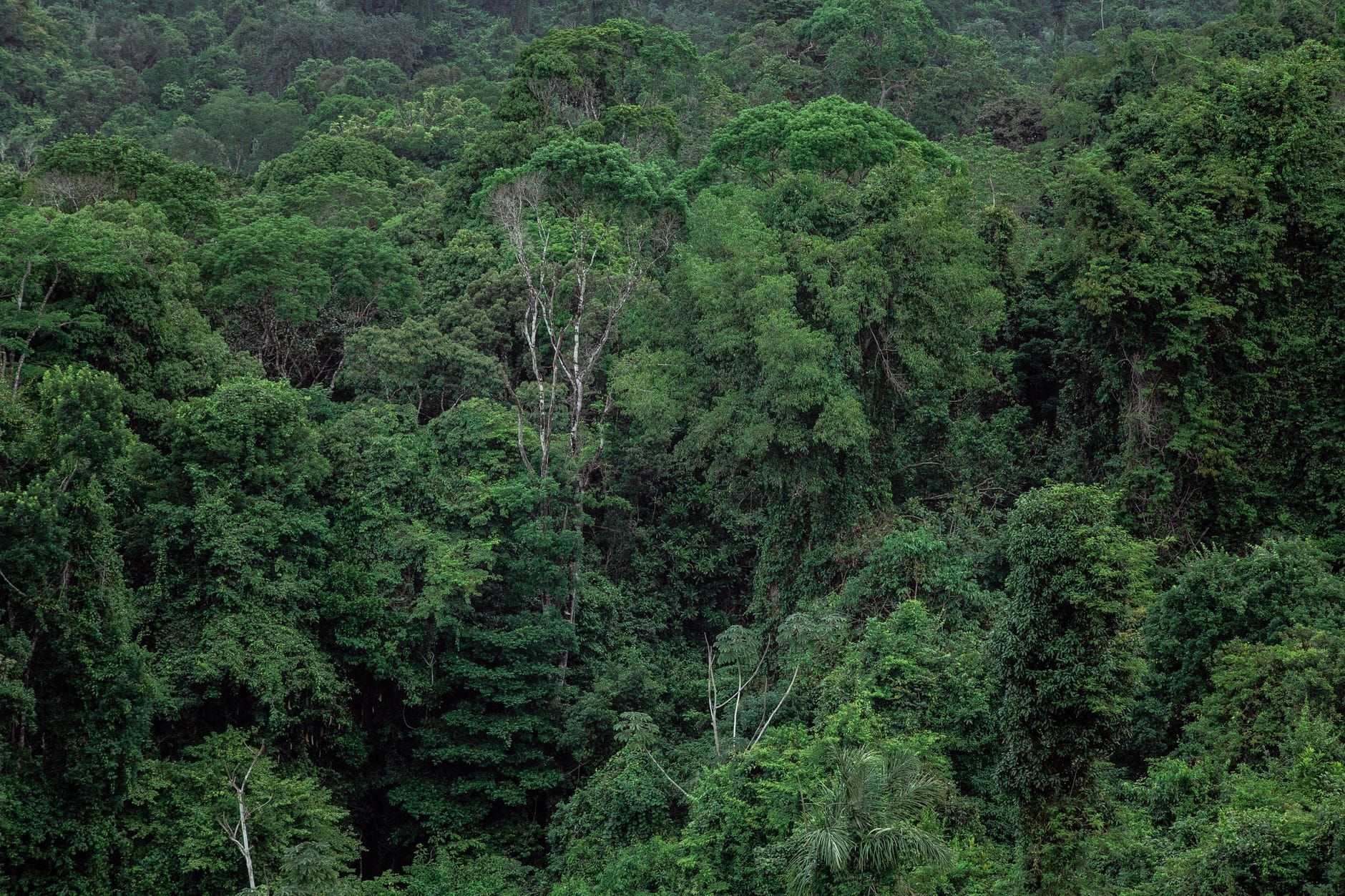
The initiative draws on West Africa's significant carbon sequestration potential: tropical forests in Côte d'Ivoire, Ghana and Nigeria, Sahel savannahs, coastal mangroves in Senegal and Guinea, and vast agricultural land. The proposed platform would pool common measurement standards, a regional transaction registry and an independent oversight body — the three pillars needed for African carbon credits to be recognised and priced on global voluntary markets and regulated exchanges.
Platform designers have incorporated lessons from Africa's pioneering markets in South Africa and Kenya, particularly on avoiding double-counting of credits and strengthening project transparency. The ambition is to capture a share of a global voluntary market projected to reach $50 billion per year by 2030, according to McKinsey Global Institute, compared to less than $2 billion today.
The Indian Ocean in the Race: Madagascar, Island States and Untapped Potential
While the initiative is West African, its implications extend far beyond. Madagascar — home to one of the world's most exceptional biodiversities and substantial tropical forests — holds some of the highest carbon sequestration potential in sub-Saharan Africa. REDD+ mechanisms (reducing emissions from deforestation and forest degradation) could generate significant revenues for the Malagasy state, provided a credible regional framework exists. The Comoros, rich in mangroves and marine biodiversity, are in a similar position. The ECOWAS initiative could serve as a blueprint for an equivalent platform in the Indian Ocean, linking Madagascar, the Comoros, the Seychelles and potentially Mauritius as a financial structuring hub.
Why It Matters
The voluntary carbon market is one of the few mechanisms that allows capital-poor but resource-rich states to monetise their environmental heritage without destroying it. Africa, which bears the brunt of climate change despite a historically marginal share of global emissions, currently captures only a fraction of global climate finance flows. If ECOWAS succeeds in structuring a credible regional platform, it could radically shift this dynamic — and open the door to similar initiatives across the Indian Ocean. For decision-makers in the OI region, watching this experiment closely is not optional: it is a strategic necessity.