
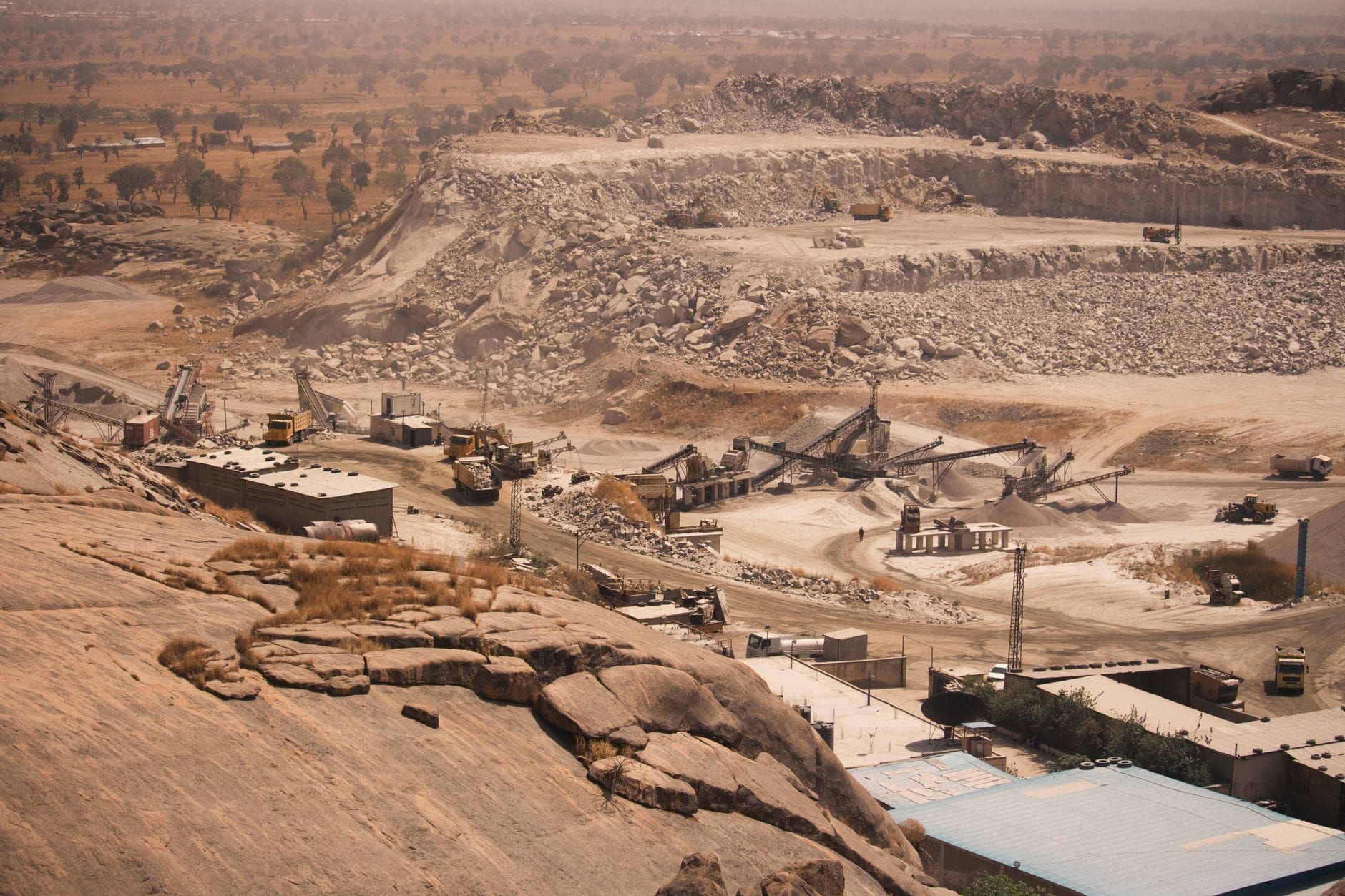
A protocol signed on 20 July 2026 between Eramet and the Republic of Gabon sets an unprecedented industrial roadmap: processing 700,000 tonnes of manganese ore locally per year by end-2031. This ambition positions Gabon as a pioneer of mining value-added processing in Central Africa.
Three projects, one objective
The agreement structures the ramp-up of local processing in three distinct industrial phases. First, a manganese oxide plant in Libreville with a capacity of 10,000 tonnes per year, due to come on stream by end-2028. Second, a refurbishment of the Moanda Metallurgical Complex, which will produce 70,000 tonnes of alloys per year from end-2029. Finally, a new coastal alloy plant is targeted to reach 265,000 tonnes annually by 2031.
In parallel, a biochar production pilot — an alternative to fossil fuels in reduction furnaces — is set to launch in July 2026, with a production target of 10,000 tonnes per year by 2029.
3,000 jobs and a 'Made in Gabon' fund
The protocol establishes a seed fund called 'Made in Gabon', with a target of creating 3,000 direct industrial jobs. This vehicle aims to support local subcontractors and build an integrated processing value chain on Gabonese soil.
The deal also ties into a broader infrastructure rehabilitation programme: the modernisation of the Trans-Gabonese railway — the vital ore-transport artery — will benefit from €312 million in financing.
Why it matters
Gabon has been extracting manganese for decades, yet has until now exported the bulk of its raw ore to China and Europe. This agreement with Eramet marks a turning point: the value added from processing will remain on African soil. For decision-makers across the region, it could become a template — from Gabonese manganese to Malagasy nickel or DRC rare earths.
One critical caveat: the protocol explicitly states that access to 'competitive energy' is the Republic of Gabon's responsibility. Without that guarantee, the planned plants will not be viable. The industrial bet remains contingent on Libreville's ability to honour its energy commitments.
Sources: GlobeNewswire, Le Devoir, French Treasury (week of 20-24 July 2026)