
South Africa's food prices rose just 0.6% year-on-year in July 2026 — the lowest annual food inflation rate since October 2010 — according to Statistics South Africa data published on August 19. Overall CPI fell to 4.3%, setting the stage for further interest rate cuts by the South African Reserve Bank (SARB).
Record Harvests Pull Prices Down
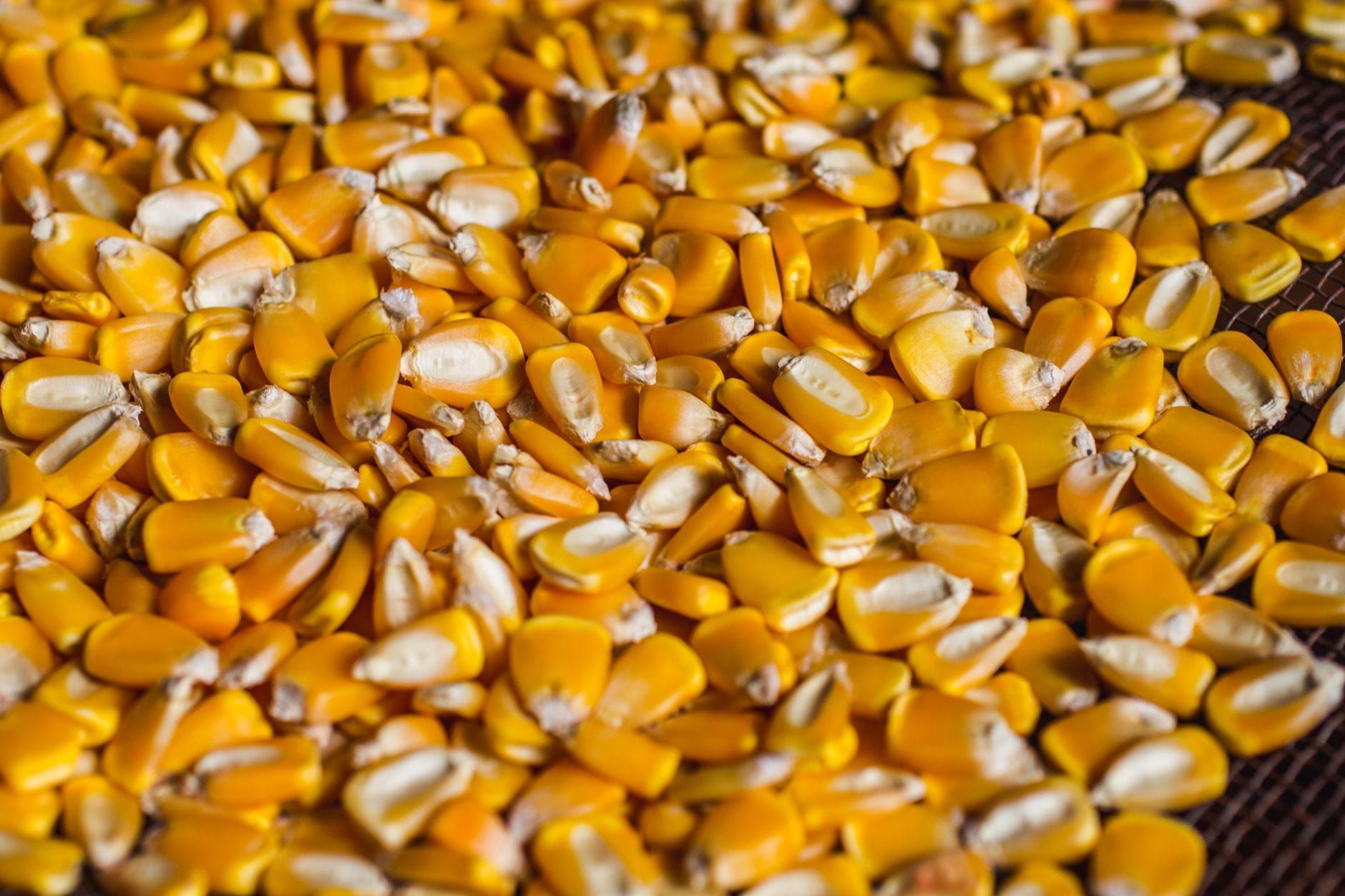
Behind this unusual figure: bumper maize and grain harvests from the previous season, combined with falling global agricultural commodity prices. Maize meal dropped 3.1% in a single month. Citrus fruits fell more than 22% annually, and beetroot lost 23% of its value compared to July 2025. These steep declines are meaningfully lightening grocery bills for lower-income households.
Encouraging Numbers, Important Caveats
In practice, the impact is limited for the most vulnerable: South Africa's unemployment rate remains at 33.6%, one of the highest in the world. Many people simply cannot afford adequate food even at current prices. Some products continue to rise in price — hake by 2.1%, fish fingers by 2.3%. Food deflation is not uniform across the market.
Storm Clouds Ahead
Economists urge caution: the El Niño weather pattern threatens upcoming harvests, while rising fertiliser costs — linked to global geopolitical tensions — could reverse the trend by 2027. The respite in food prices is real but analysts consider it potentially temporary.
A Strong Signal for Monetary Policy
With overall inflation back at 4.3% (down from 5.0% in June), the SARB now has room to ease monetary policy further. Cheaper credit would directly benefit SMEs and indebted households, strengthening domestic consumption in Africa's largest economy.
Why It Matters
South Africa is the natural gateway to southern African markets for Indian Ocean businesses. A lasting decline in food inflation would boost consumption and reopen commercial opportunities for regional exporters — particularly Malagasy and Mauritian producers. Worth watching closely in the months ahead.
Source: Statistics South Africa, July 2026, published August 19, 2026.