
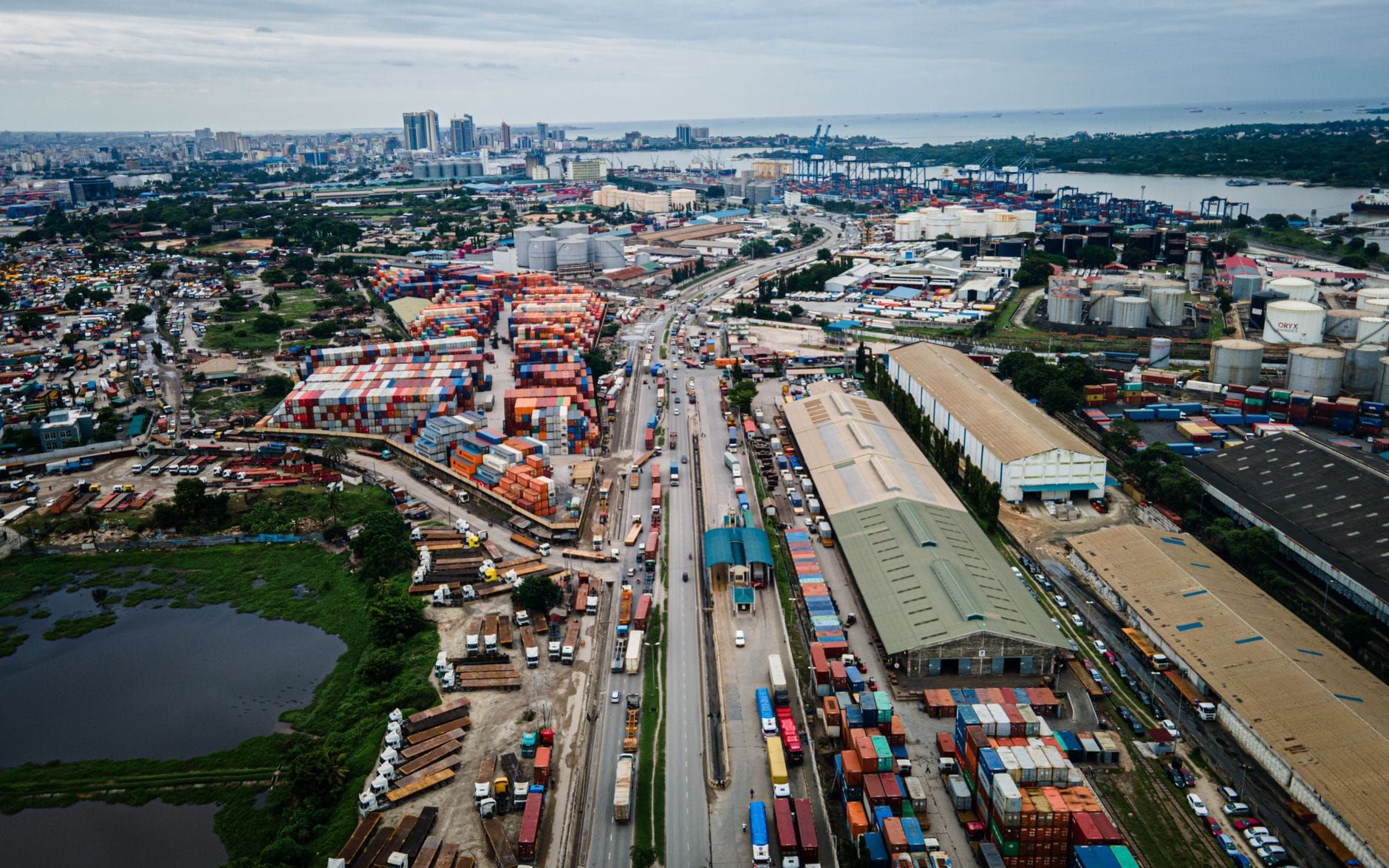
Tanzania has officially launched its five-year National Development Plan (FYDP III) for 2026/27-2030/31, with an audacious long-term objective: reaching upper-middle income status by 2050 and a GDP of one trillion dollars. The ambition is backed by growth rates already among the highest in East Africa.
A structuring five-year blueprint
The Tanzanian government has unveiled its third Five-Year Development Plan (FYDP III) for the 2026/27-2030/31 period, setting a macro target of building a trillion-dollar economy by 2050. Dr Tausi Kida, leading the planning process, stressed that «our goal is not simply to grow the size of the economy, but to achieve inclusive growth» that reduces poverty and creates sustainable employment.
Solid economic foundations
Tanzania recorded economic growth of 5.9% in 2025, with a forecast of 6.3% for end-2026 — among the highest on the African continent. Agriculture, forestry and fishing still account for 24.3% of GDP, with the fisheries sub-sector alone growing from 1.9% to 2.2%. These primary sectors represent both a pillar of stability and a lever for social transformation.
Energy transition accelerating
One of the plan's most striking data points is the expansion of access to clean cooking energy, which jumped from 6.9% in 2021 to 28.6% in 2025 — a dramatic shift reflecting deliberate policy. Meanwhile, Tanga UWASA, the water authority for the port city of Tanga, raised $20.8 million through a green bond to finance climate-resilient water infrastructure, with 65% of funding sourced from domestic capital markets.
An ambition that resonates regionally
Tanzania's plan reflects a broader East African trend: several economies in the region — Rwanda, Ethiopia — are posting growth above 6% in 2026. Strategically positioned between East Africa and the Indian Ocean corridor, Tanzania is positioning itself to capture growing regional investment flows in ports, mining infrastructure and tourism.
Why this matters
For Indian Ocean investors, Tanzania represents a market of 65 million people with solid macroeconomic fundamentals and a clear political will to develop. This five-year plan opens opportunities in agribusiness, renewable energy, infrastructure and green finance — sectors where Mauritius, Réunion and Madagascar are well placed to act as natural regional partners.
Source: Sputnik Africa — Tanzanian Presidency (July 2026) / African Development Bank