
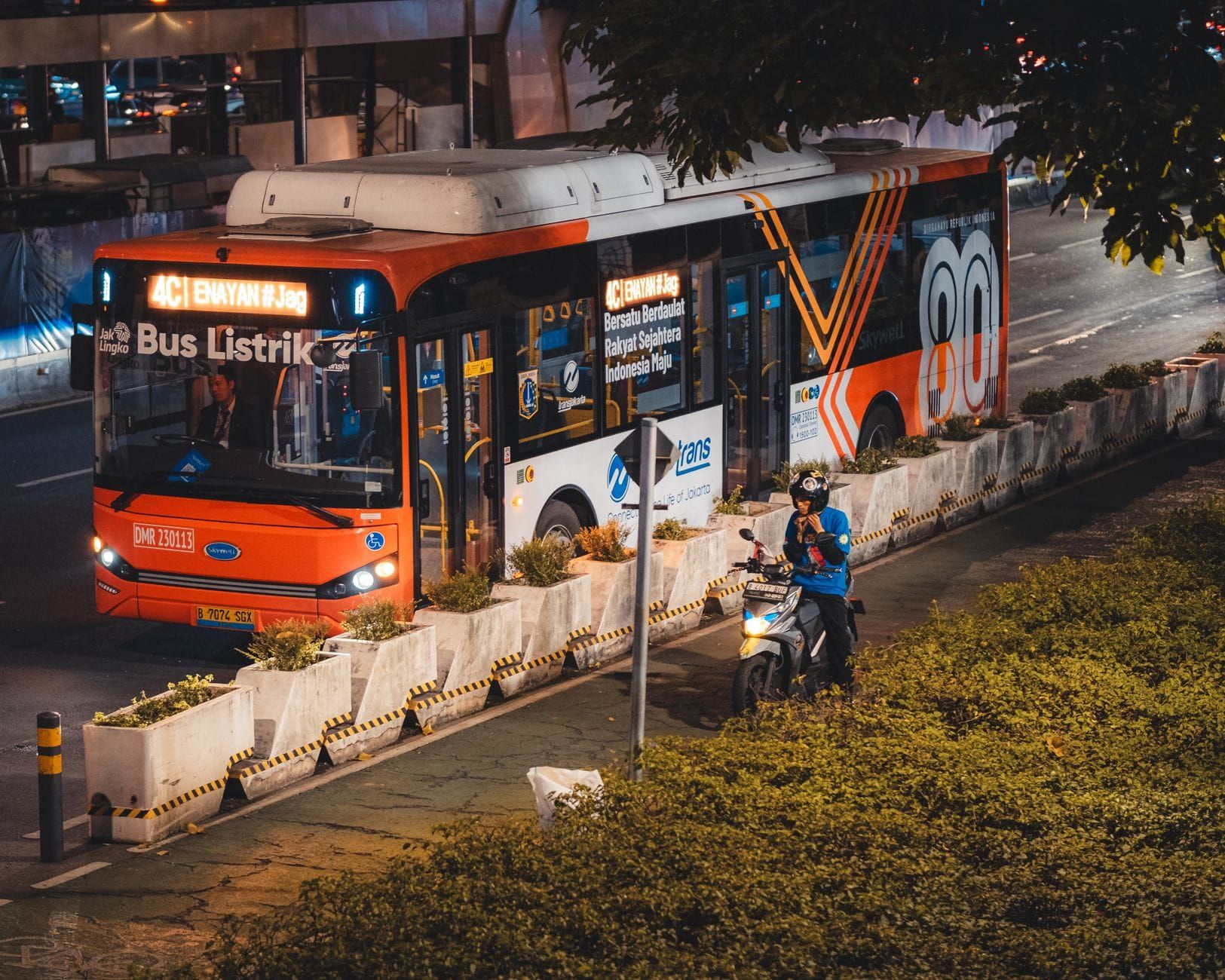
On August 24, 2026, the President of Seychelles officially launched the first two electric pilot buses of the Seychelles Public Transport Corporation (SPTC). Built by India's Ashok Leyland with support from the Indian High Commission, the vehicles mark the start of a transition the archipelago wants to complete by 2028, with 100 buses on the road — and ultimately around 250 units.
A presidential launch for a strategic bet
Placing this launch under the direct authority of the head of state is no accident. For an archipelago where every litre of fuel is imported, transitioning to electric public transport is as much a question of economics as of energy sovereignty. Petroleum import dependency is one of Seychelles' main vulnerabilities to external shocks — Brent prices, geopolitical crises, exchange rate volatility.
The two pilot buses, supplied by Ashok Leyland India, were financed through the government's «Development Grant to Public Enterprises», with technical support from the Indian High Commission and local and international consultants.
A deliberate test-and-learn approach
The Minister of Transport was clear about the strategy: «Switching to electric buses cannot simply be done by buying new vehicles.» The pilot operation aims to test battery performance in a tropical climate, the adequacy of local electricity infrastructure, driver training and passenger response — before any large-scale rollout.
The goal is to reach 100 electric buses by 2028, with an eventual fleet of around 250. The standard fare is expected to drop to 6 rupees thanks to fuel savings.
Why this model matters for the Indian Ocean
Seychelles is not alone in thinking about this transition. In Réunion, the local authority is pushing low-carbon and electric mobility, including a dedicated public transport network project. In Mauritius, tax incentives for electric vehicle purchases drove EV registrations up 34% in 2025-2026. Madagascar, meanwhile, is exploring solar bus projects in its major cities.
The Seychellois model — small territory, high energy dependency, ambitious climate goals — is potentially replicable across other islands in the region, provided they have reliable electricity grids and sufficient public financing.
Why it matters
The archipelago is betting on an energy transition through public transport before fully securing its supporting infrastructure. This «test first, deploy later» approach is cautious — but it is also the only realistic one for island territories where a large-scale investment mistake can carry disproportionate fiscal cost. The broader Indian Ocean region should watch the Seychellois experiment closely: it will serve as a real-world laboratory for neighbouring islands.
Sources: State House Seychelles (24/08/2026), APO Africa Newsroom (24/08/2026), Capmad (01/09/2026).