
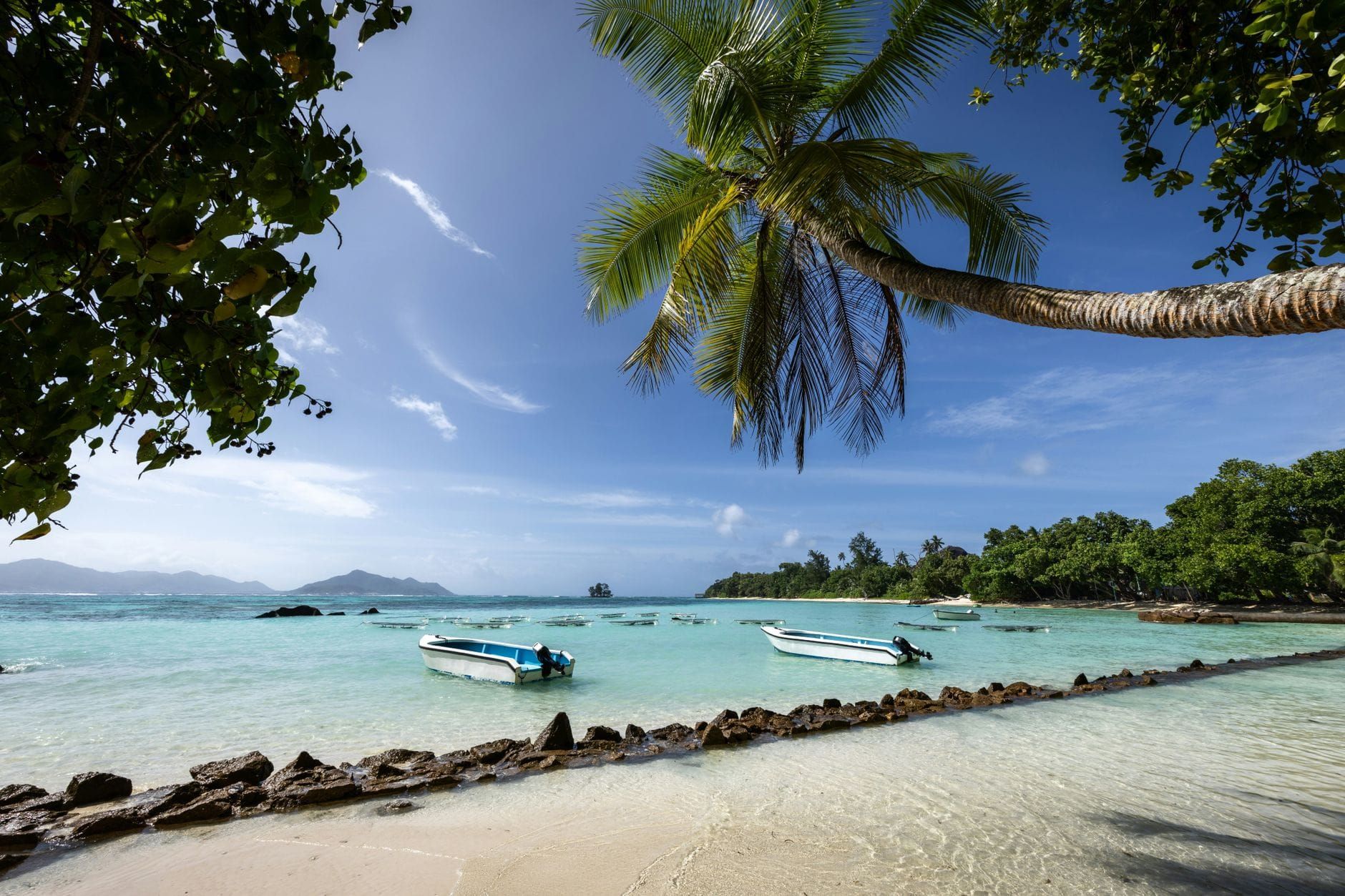
The Seychelles 2026/2027 budget centres on three strategic pillars — offshore financial services, infrastructure, and the blue economy — according to analysis published by CNBC Africa. The ambition: accelerate growth in an archipelago that, at roughly USD 17,500 GDP per capita, remains Africa's wealthiest country by the World Bank's measure.
A Country at a Crossroads
The Seychelles enjoys a booming tourism sector — its top economic driver, accounting for around a quarter of GDP — but faces rising public debt, partly inherited from post-Covid investments and the global rate-hike cycle. The government must balance growth ambition with rigorous fiscal discipline.
Blue Economy: The Long-Term Strategic Lever
The blue economy takes centre stage in the budget: high-value fisheries development, strengthened maritime governance, and premium tourism products built around marine ecosystem protection. The Seychelles aims to set the global standard for island blue-economy governance — a positioning that attracts international climate finance.
Offshore Finance and Digital Infrastructure
The offshore financial services sector — a major contributor to public revenues — will undergo regulatory modernisation to maintain competitiveness against Mauritius and other regional financial centres. The budget also allocates investments in digital and energy connectivity, prerequisites for meaningful economic diversification.
Why It Matters
The Seychelles' 2026/2027 budget sends a strong signal across the Indian Ocean: when Africa's richest archipelago bets on blue economy and financial services modernisation, it sets a new regional standard. Policymakers in Mauritius, Madagascar and Comoros, each searching for their own sustainable development model, have every reason to study this road map closely. Source: CNBC Africa, Rio Times Online, Seychelles government, 2026.