
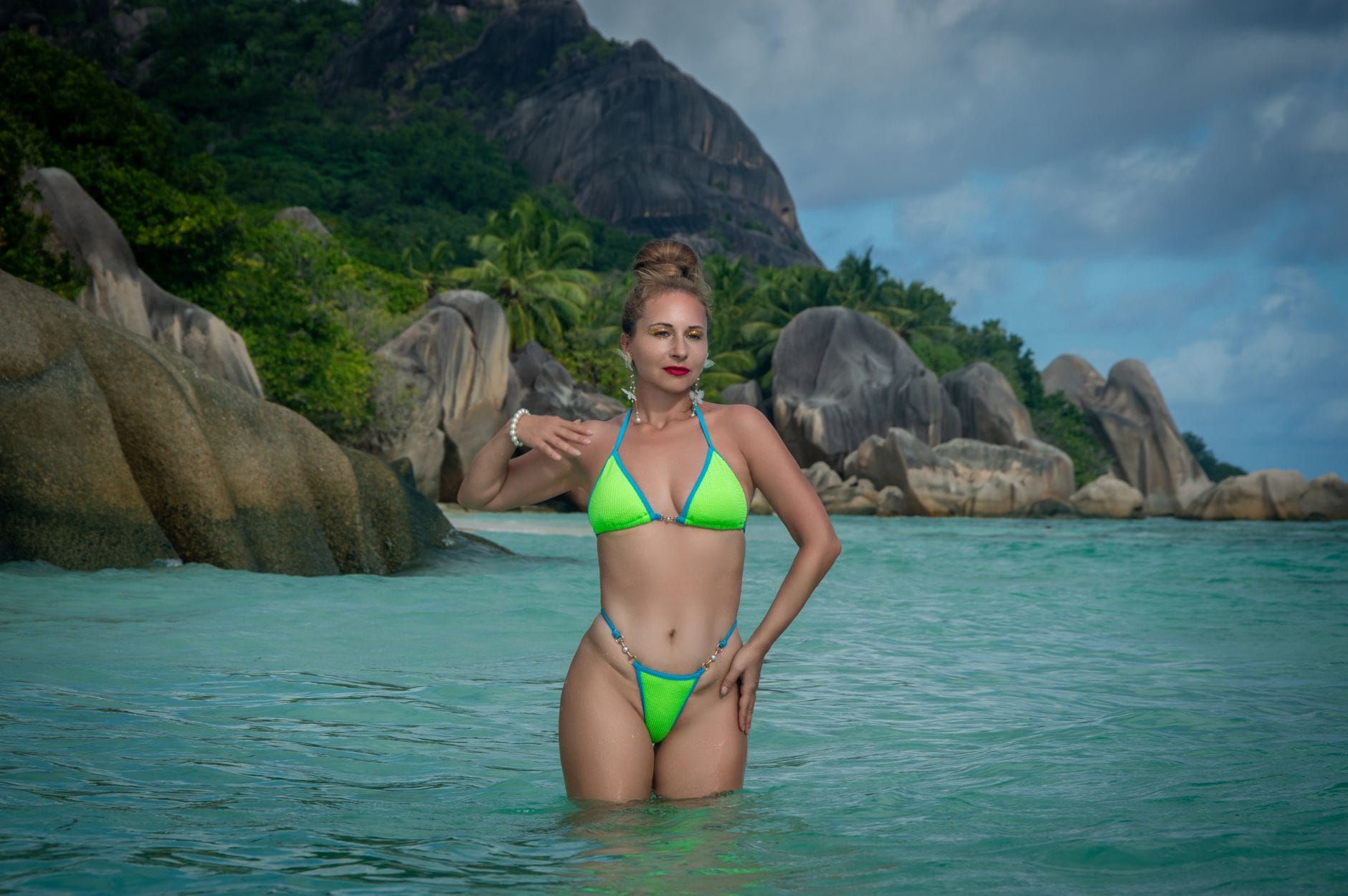
The Seychelles plays a unique game in the Indian Ocean. While most destinations race to maximise visitor numbers, this archipelago of 120,000 people has deliberately chosen the opposite path since the 1990s: cap arrivals to protect product quality and ecosystems. In 2025, around 350,000 tourists visited — compared to 2 million for the similarly sized Maldives. That model has just been reinforced by the validation of a national cruise tourism strategy running to 2030.
80% of GDP: A Deliberate Bet on Tourism
The Seychellois economy relies on tourism for around 80% of its GDP — a concentration that is both its strength and its vulnerability. In 2026, authorities note a slight slowdown in arrivals compared to the 2025 record, but the strategic direction remains unchanged. The priority is not volume but value: the Seychelles targets high-spending visitors who weigh less on infrastructure and the environment.
Cruise 2026-2030: A Five-Year Plan Endorsed
Seychellois authorities have approved a five-year plan to develop the cruise segment in a controlled manner. The goal is to attract luxury or expedition vessels rather than mass-market megaships, in line with the destination's premium positioning. This segment offers a revenue diversification lever while limiting pressure on natural sites.
New Air Routes to Attract Premium Travellers
Air connectivity is a central concern. Air Seychelles has launched a seasonal direct service from Paris-CDG, while Qatar Airways and Turkish Airlines are preparing to return. New routes to Rome and Istanbul are expected, targeting the affluent European clients who form the archipelago's primary market — led by France, followed by Germany and Italy.
50% of Territory Protected: Nature as a Strategic Asset
Nature conservation sits at the heart of the economic model. The Seychelles have classified 50% of their land area as protected and 30% of their maritime space. This translates into entry fees at flagship sites — €30 for the Vallée de Mai, a UNESCO World Heritage site — with revenues earmarked for conservation. Nature is no longer merely a backdrop: it is an asset to be managed and funded.
Why It Matters
The Seychelles model carries a message for the entire Indian Ocean region. At a time when Madagascar, Mauritius and Réunion seek to attract millions more visitors, the archipelago demonstrates that a scarcity strategy can generate more value per tourist while preserving natural capital. The open question: can this model be replicated, and does an 80% tourism dependence leave the economy dangerously exposed to external shocks?
Sources: Seychelles News Agency, Air Journal (29 July 2026), World Bank, French Treasury.