
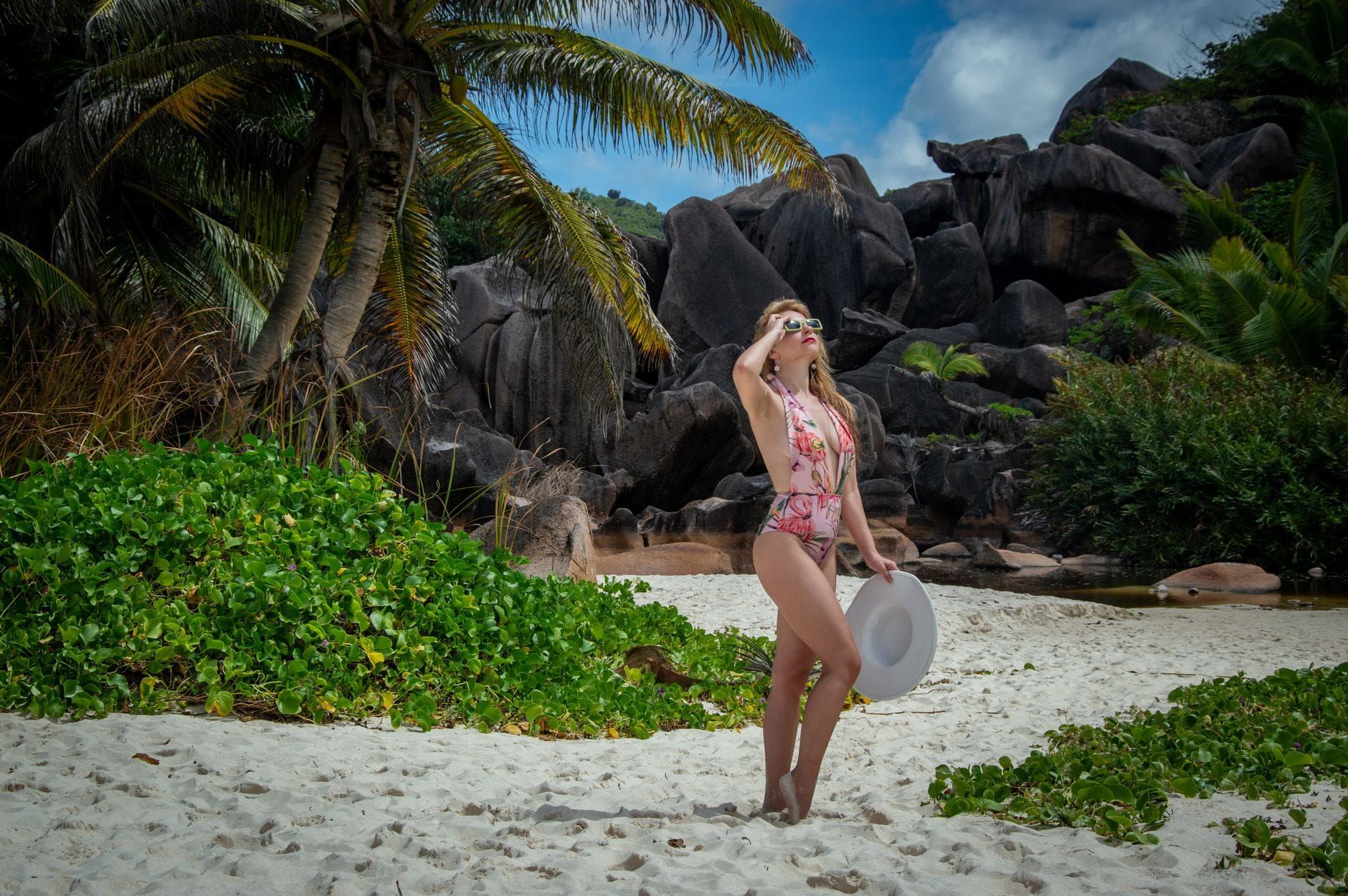
As mass tourism destabilises iconic destinations worldwide, the Seychelles has maintained a deliberately restrictive policy since the 1990s: limiting visitor numbers to protect the environment and local identity. A gamble that provokes as much thought as it inspires, at a time when overtourism has become a crisis in its own right.
350,000 Visitors for 120,000 Inhabitants
In 2025, the archipelago welcomed approximately 350,000 tourists for a local population of 120,000. By comparison, the Maldives — a direct competitor in the luxury segment — received 2 million visitors the same year. Far from being a handicap, this deliberate moderation is presented by the Seychellois authorities as a strategic choice consistent with the territory's vocation.
Tourism accounts for nearly 80% of GDP. This extreme dependency makes economic diversification urgent, but it also justifies caution: tourist flows are the primary revenue driver, and any qualitative decline would have direct economic consequences.
A Preserved Territory by Conviction
In concrete terms, the conservation policy translates into unambiguous figures: half of the terrestrial territory is classified or protected, and approximately 30% of the maritime space has official protection. Entry fees to protected sites — between €10 and €30 — are directly reinvested in environmental preservation.
Accommodation caters to affluent profiles, with rooms ranging from €60 to over €200 per night, and upscale dining around €50 per person. Local cuisine offers more accessible options at €5-8.
Air Connectivity, the Achilles' Heel
To secure its flows without amplifying them excessively, the Seychelles has pursued an air connectivity diversification strategy. Air Seychelles operates seasonal direct flights to Paris-CDG and is developing new European routes (Rome, Istanbul). The return of Qatar Airways, Turkish Airlines and Aeroflot strengthens connectivity beyond the historically dominant Gulf hubs.
Why It Matters
The Seychellois model is not without contradictions — 80% of GDP from tourism is a structural vulnerability that quality alone cannot fully resolve. But in the global competition for high-end travellers, the archipelago has built a perceived scarcity that constitutes its primary barrier to entry. As Réunion, Mauritius and Madagascar refine their own tourism positioning, the Seychelles model offers a radical alternative to growth-at-all-costs.