
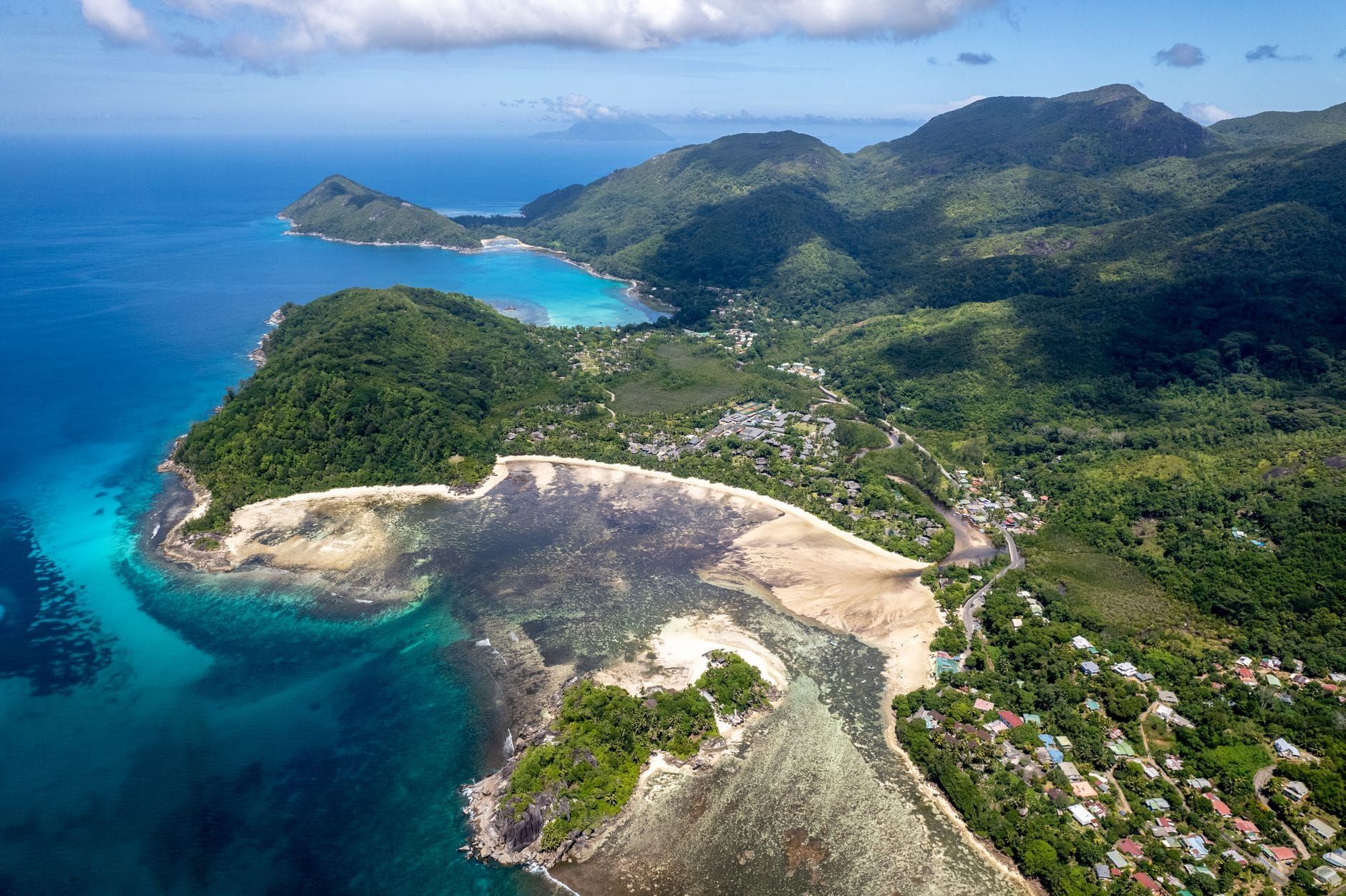
The International Monetary Fund (IMF) projects real GDP growth of just 1% for Seychelles in 2026, down sharply from 5.8% in 2025. This steep deceleration stems primarily from a shock to the tourism sector, the archipelago's main economic driver.
Tourism Down 11%
Tourist arrivals fell 11% year-on-year in the first half of 2026. The main factor: disruptions to air travel linked to the Middle East conflict, which reduced connectivity to Seychelles — particularly from Europe and Gulf markets. The archipelago had experienced an excellent 2025, with a 13% rise in visitors that exceeded pre-pandemic 2019 levels.
This correction highlights the structural fragility of an island economy heavily dependent on a single sector. Tourism accounts for a significant share of GDP and foreign exchange earnings.
Fundamentals Holding Steady
The situation is not alarming, however. Inflation remains contained at 0.9% in August 2026, supported by public enterprise subsidies that stabilize consumer prices. Foreign reserves cover approximately 4 months of imports, a level the IMF considers satisfactory for a small island state.
Seychelles also successfully completed, in May 2026, a 26-month IMF-supported program combining the Extended Credit Facility (ECF) and the Resilience and Sustainability Trust (RST). The program targeted revenue mobilization, debt management, and climate resilience — priorities that remain highly relevant.
Why It Matters
The IMF does flag a secondary effect of state subsidies: they have "weakened the balance sheets of certain public enterprises and reduced dividends paid to the state budget." A difficult trade-off, typical of small island economies navigating tourism competitiveness, fiscal sustainability, and social protection simultaneously.
Signs of tourism recovery emerged in the months following the first half of 2026. If the trend holds through autumn, IMF forecasts could be revised slightly upward before year-end. The contrast with Mauritius — whose tourism is up 2.7% over eight months — illustrates the diverging trajectories within the Indian Ocean this year.
Source: Agence Ecofin / IMF (September 30, 2026)