
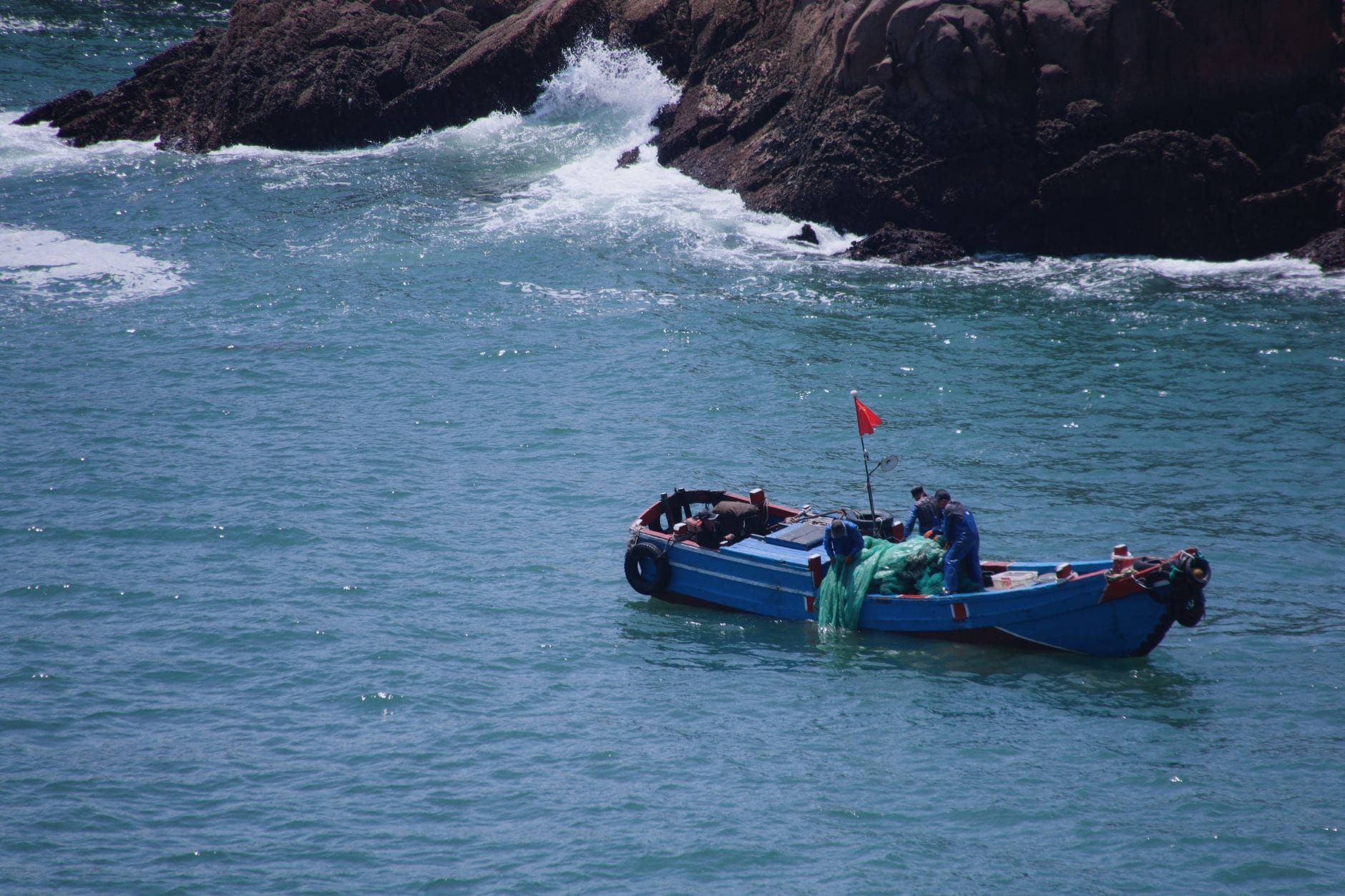
A strategic agreement was signed on July 27, 2026, between the European Union and Seychelles, renewing for four years the right for European fishing fleets to operate in the archipelago's waters. Brussels has committed €23 million over the period, including €3 million earmarked for the sustainable development of the local fisheries sector.
A mutually beneficial partnership
The agreement licenses up to 30 purse seiners and 8 longliners from Europe to operate in Seychelles' Exclusive Economic Zone. The annual quota is set at 55,000 tonnes of tuna and other migratory species. In return, vessel owners pay a fee of €90 per tonne caught, which flows directly into the archipelago's revenues.
« This partnership embodies our joint commitment to sustainable fishing in the Indian Ocean, » the European Commission stated in its official communiqué. For Seychelles — Sub-Saharan Africa's leading canned tuna producer — the agreement consolidates a sector that accounts for over 90% of the country's export earnings.
How the money will be spent
The €3 million dedicated to sector support will fund several priority areas: artisanal fisheries development, aquaculture, scientific cooperation between European and Seychellois research institutes, marine ecosystem monitoring, and the fight against illegal, unreported and unregulated (IUU) fishing.
This «sector» component is crucial for Seychelles, which aims to move up the value chain — through processing, certification, and traceability — rather than remaining primarily a raw material supplier. Developing local processing industries remains a stated goal of the archipelago's development plan.
Why it matters
For the Indian Ocean region, this deal sends a clear signal: Seychelles confirms its status as an indispensable partner in regional marine resource governance. It comes as SADC and COI member states negotiate new fisheries cooperation frameworks in the face of climate change and overfishing pressures.
The agreement also provides a stable revenue guarantee for the Seychellois budget, as Mahé's government seeks to diversify income beyond tourism — a sector still vulnerable to international crises.
Source: European Commission, July 27, 2026