
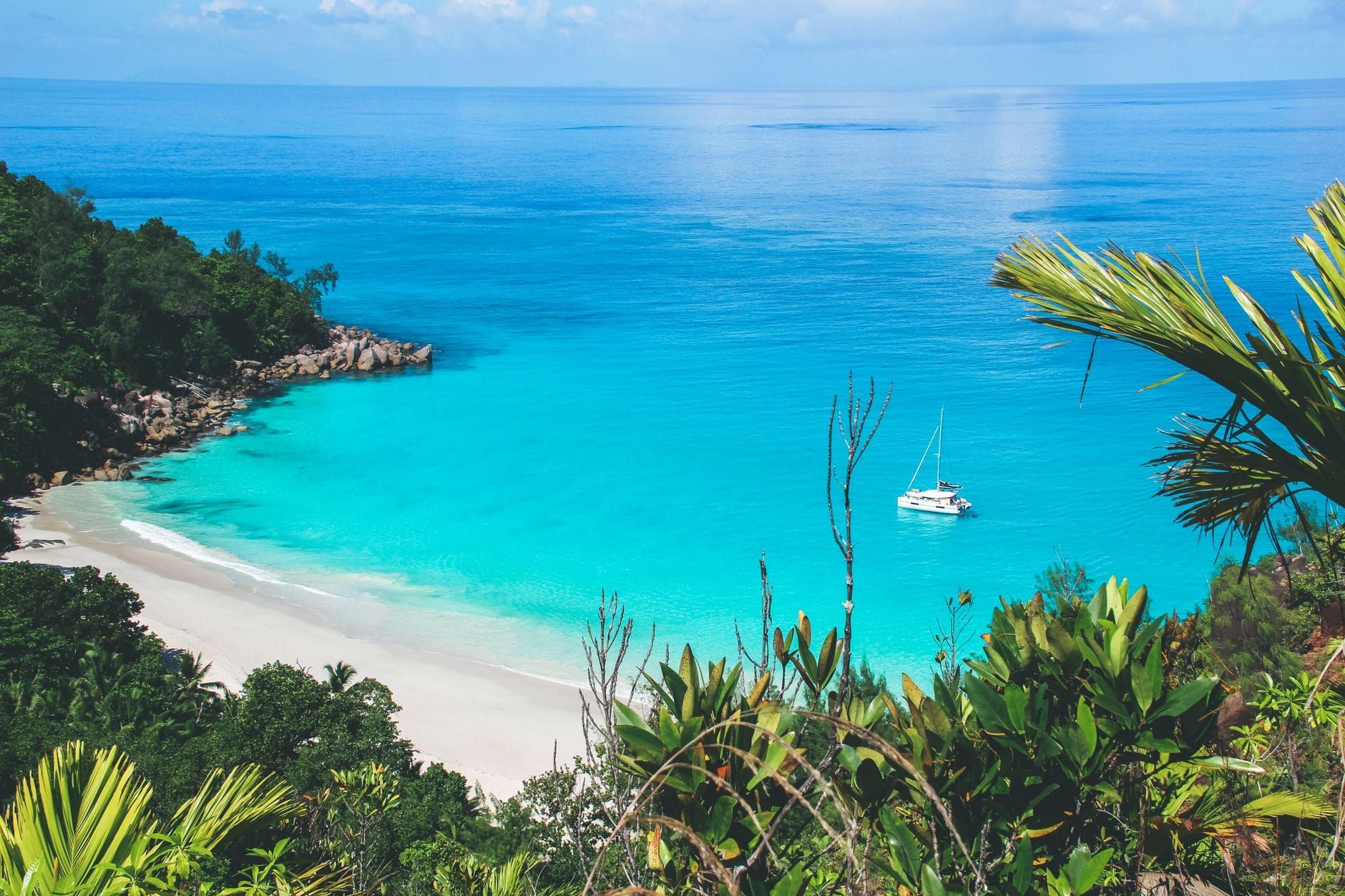
Seychelles is displaying the health of an island economy that has mastered the art of leveraging its geography. With a GDP per capita of $17,670 (IMF, April 2026), the archipelago holds the highest per-capita income on the African continent — a performance built on tourism, offshore finance, and a blue economy in full development.
A Deliberate Diversification Model
«We're building an economy with several strong complementary engines,» said Pascal Morin, CEO of the Financial Services Authority (FSA), in a CNBC Africa feature on the archipelago's 2026–2027 strategy. The numbers back this up: tourism arrivals rose 13% in 2025, driven by Gulf, African and Asian markets. The FSA also achieved «Largely Compliant» status from the OECD and secured Seychelles' removal from the EU's list of non-cooperative jurisdictions — a decisive institutional validation for international investors.
Blue Economy as a Sovereignty Lever
Seychelles' exclusive economic zone (EEZ) covers 1.3 million square kilometres — one of the largest in the world relative to the country's land area. Port Victoria handles 80% of the Indian Ocean region's tuna catch, representing approximately 20% of global tuna production. The government is now pushing for onshore industrialisation: fish processing, packaging, logistics — to capture more added value locally rather than exporting it.
Infrastructure Modernisation Underway
Port Victoria expansion tenders have been announced, and airport redevelopment is planned. The Fitch BB rating and OECD regulatory alignment ease access to international capital markets — critical for financing a transition that cannot rely solely on tourism revenues.
Why It Matters
Seychelles shows that a small island state can reach income levels comparable to advanced emerging economies, combining regulatory discipline, economic diversification, and natural resource valorisation. For other Indian Ocean islands — Mauritius, Comoros, Maldives — it is a model worth studying, even if each territory's specific conditions require significant adaptations.
Source: CNBC Africa / World Bank, 2026 — Seychelles Economic Outlook 2026–2027.