
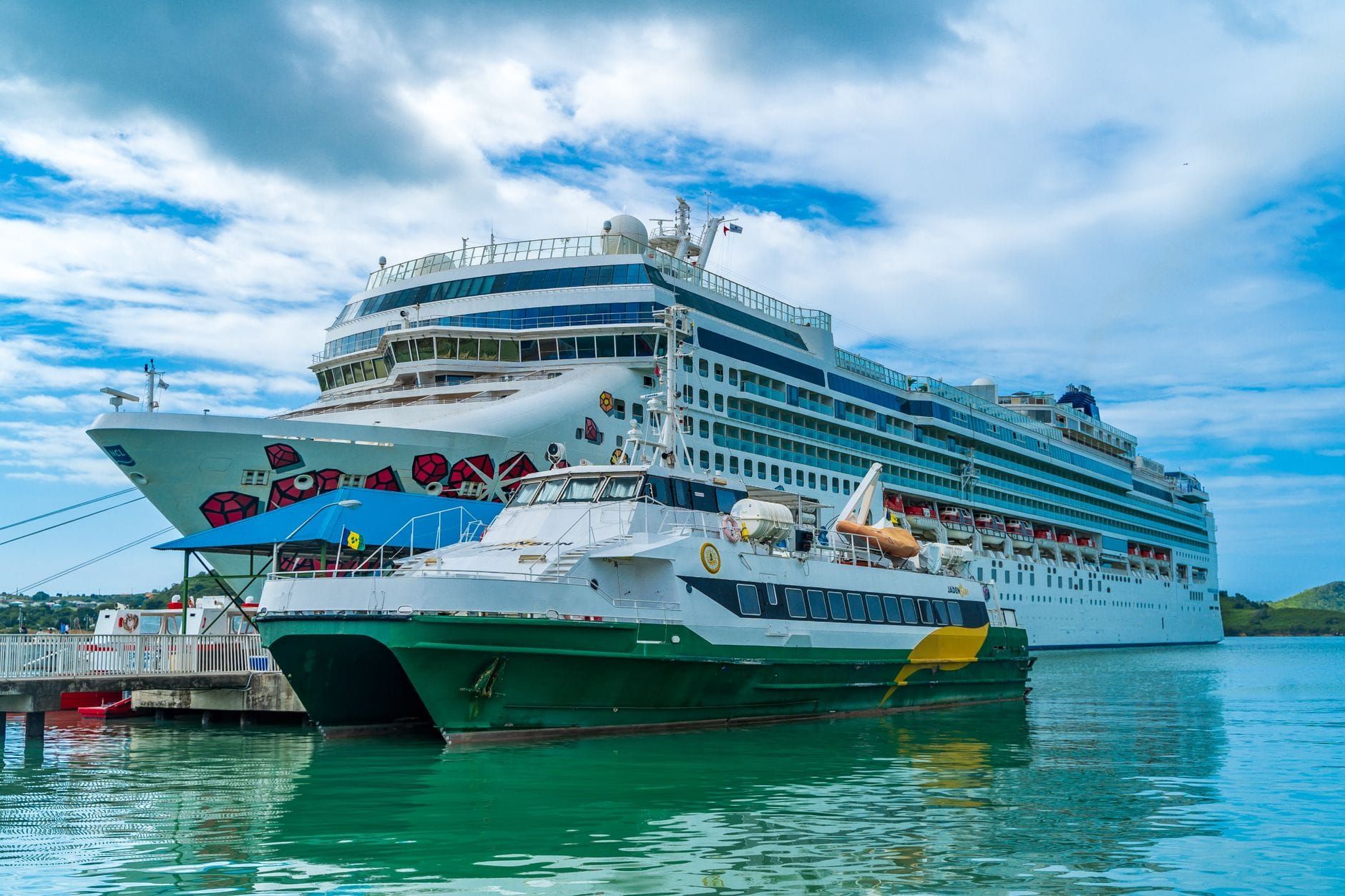
The Seychelles' 2025-2026 cruise season closed with the departure of MV Viking Yi Dun on June 27, 2026, leaving behind a record tally: 41 cruise ship calls — six more than the previous season — including 8 maiden calls from operators visiting the archipelago for the first time. These figures accompany the launch of the country's very first National Cruise Tourism Strategy 2026-2033.
A Strategy Calibrated on Value, Not Volume
Developed in partnership with the United Nations Economic Commission for Africa (UNECA), the 2026-2033 strategy marks a deliberate shift: Seychelles is not seeking to maximise the number of passengers landing on its beaches, but to maximise the economic value of each call. The archipelago explicitly targets smaller vessels, luxury cruises, expedition voyages and premium segments — at the deliberate expense of mass-market cruise tourism.
Economic projections underpin the approach: according to UNECA data, cruise tourism is projected to contribute $531 million directly to Seychellois GDP between 2026 and 2033, with a total impact of $1.247 billion including multiplier effects. The estimated return on investment for the national strategy stands at 205%.
Reducing Revenue Leakage
A central challenge identified in the strategy is reducing revenue leakage — the share of tourist spending that exits the local economy to pay foreign operators, foreign-flagged ships or imported supplies. Research suggests that even a 10% reduction in leakage could significantly increase net benefits for Seychellois. The strategy plans to expand business opportunities for local entrepreneurs in port areas and shore excursion circuits.
Why It Matters
The Seychelles stands out in the Indian Ocean by publicly embracing selective tourism. While other destinations compete for mega-ships with port subsidies, the archipelago bets that fewer but better-targeted passengers generate more value and less environmental pressure. In a global context of overtourism and rising climate concerns, this positioning could become a lasting competitive advantage — and a model worth studying for Mauritius, Réunion or Madagascar.