
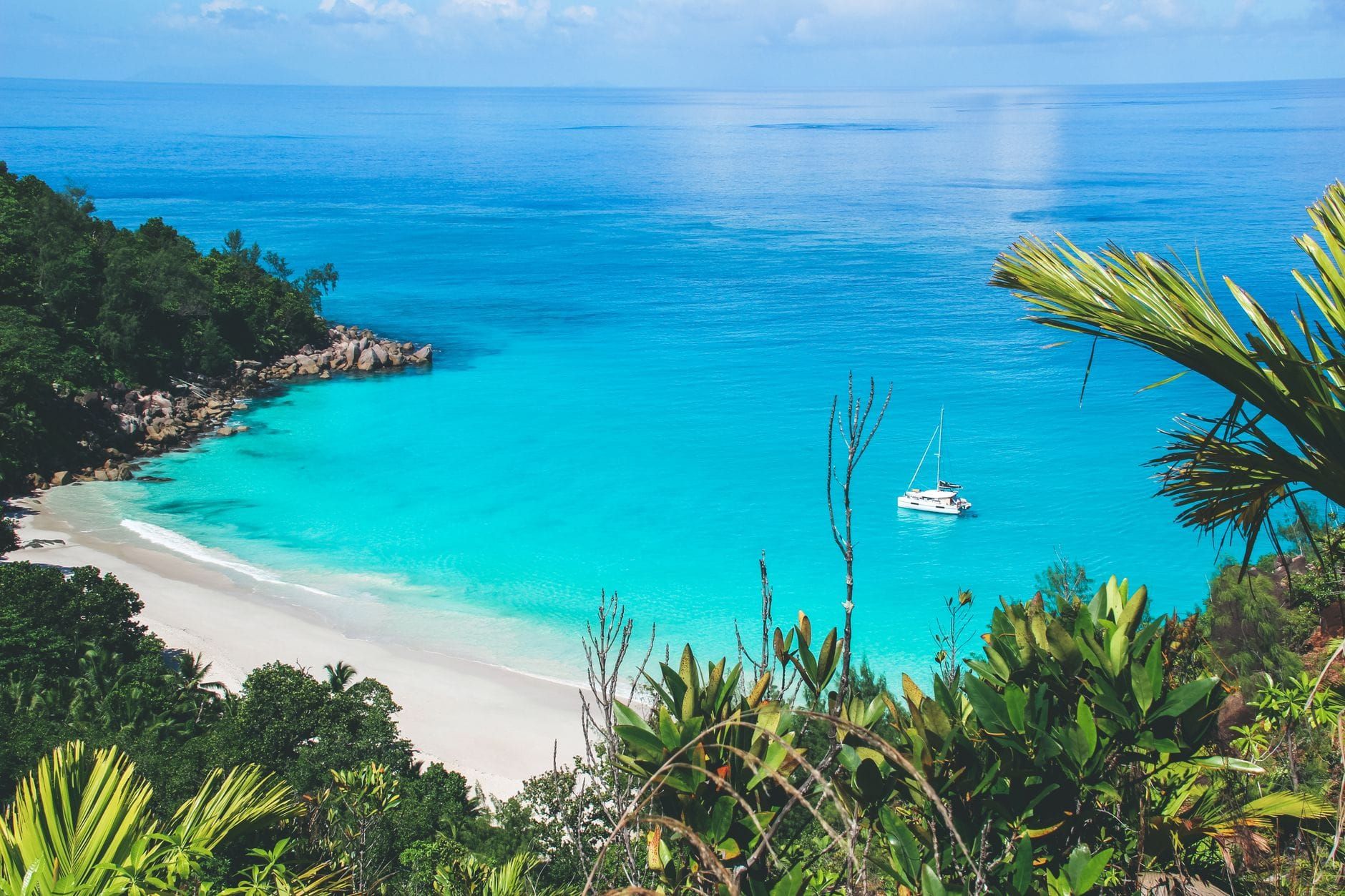
Fifty years after independence proclaimed on 29 June 1976, the Seychelles present an economic track record that commands respect across the region. With a GDP per capita of $17,670 — the highest in Africa — and a tourism sector that grew by 13% in 2025, the archipelago is no longer content to be a luxury destination alone. It now aims to become the Indian Ocean's premier financial hub.
A Successful Diversification Model
GDP growth is projected at 3.4% for 2027 according to IMF forecasts, against a backdrop of near-zero inflation and exemplary political stability. In 2025, the Seychelles achieved "Largely Compliant" status from the OECD on tax transparency, and were removed from the EU's blacklist of non-cooperative jurisdictions. Two signals that open the door to greater institutional investment.
The country is banking on three complementary pillars: secure financial services compliant with international standards, high-end sustainable tourism, and a blue economy exploiting 1.3 million km² of exclusive economic zone. The Seychelles alone account for 20% of global tuna production.
The $2 Billion Fund
This anniversary coincides with the announcement of a $2 billion development fund to finance roads, health infrastructure, and blue economy projects. A strong signal to international markets: the Seychelles are not relying solely on their reputation, but actively investing in the foundations of their future competitiveness.
Why This Matters
For economic actors across the Indian Ocean, the Seychelles represent both a model and a partner of choice. Their trajectory shows that a small island state can, with rigorous governance and a clear strategic vision, reach the ranks of the continent's top-performing economies — a lesson that other archipelagos in the region are watching closely.