
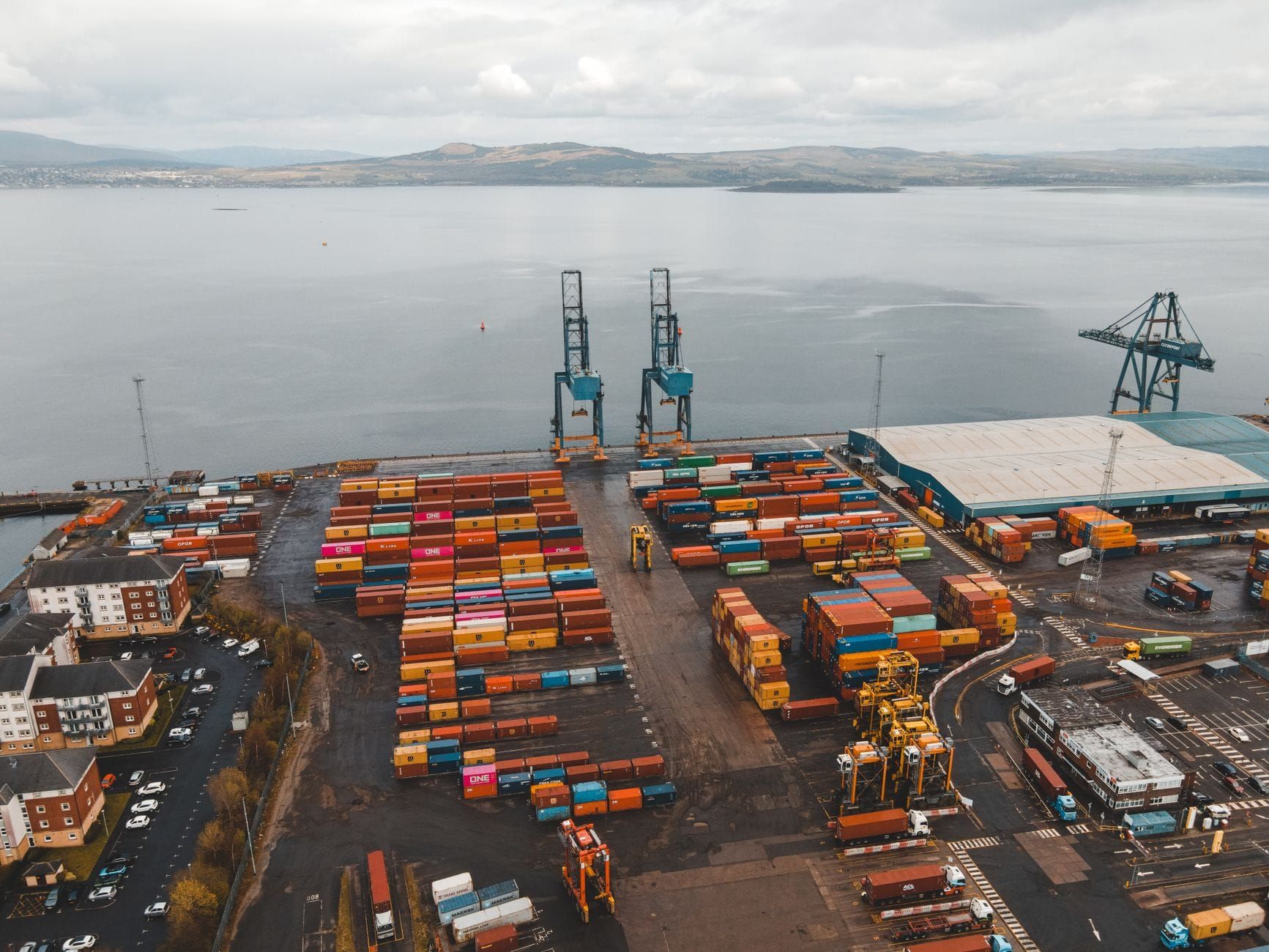
The European Union and four Eastern and Southern African island states concluded an Enhanced Economic Partnership Agreement (EPA) on June 10, 2026, in Balaclava, Mauritius. After seven years of negotiations, Comoros, Madagascar, Mauritius and Seychelles now have a landmark commercial framework with the world's largest single market.
Seven Years of Talks, a Historic Outcome
Negotiations were launched on October 2, 2019, at the same hotel in Balaclava. Seventeen technical rounds were needed before both sides reached a text described as the «first comprehensive Free Trade Agreement in Sub-Saharan Africa.» The new deal builds on the 2009 interim EPA, which entered into force in 2012, with Comoros joining in 2019.
What the Agreement Covers
The Enhanced EPA goes well beyond simple market access for goods. It now encompasses trade in services, investment, digital trade, and sectoral cooperation. The core principle remains unchanged: duty-free and quota-free access for exports from the four states to the European Union. In return, the agreement incentivises local processing and industrial upgrading across the island economies.
A Lever for Economic Diversification
For Seychelles, whose GDP still relies on tourism and tuna fishing for over 60%, the inclusion of a «digital trade» chapter opens new service export opportunities. Madagascar and Comoros — exporters of vanilla, cloves, and ylang-ylang — gain secured preferential access, while Mauritius consolidates its role as a regional financial and logistics hub. Investment provisions are closely watched: they are expected to ease the establishment of European companies in the region with stronger protection guarantees.
Next Steps
The agreement remains subject to legal review, formal signing, and ratification by EU member state parliaments as well as the four island governments. No precise timeline has been communicated, but representatives from both sides referred to entry into force «before the end of the decade.»
Why It Matters
The European Union is the Indian Ocean region's top trading partner. This deal arrives as all four states seek post-pandemic investment and look to reduce their vulnerability to tourism demand shocks. It also places these island economies in a unique position: enjoying full preferential access to the EU while simultaneously being members of the African Continental Free Trade Area (AfCFTA) — a combination very few countries on the continent can claim.