
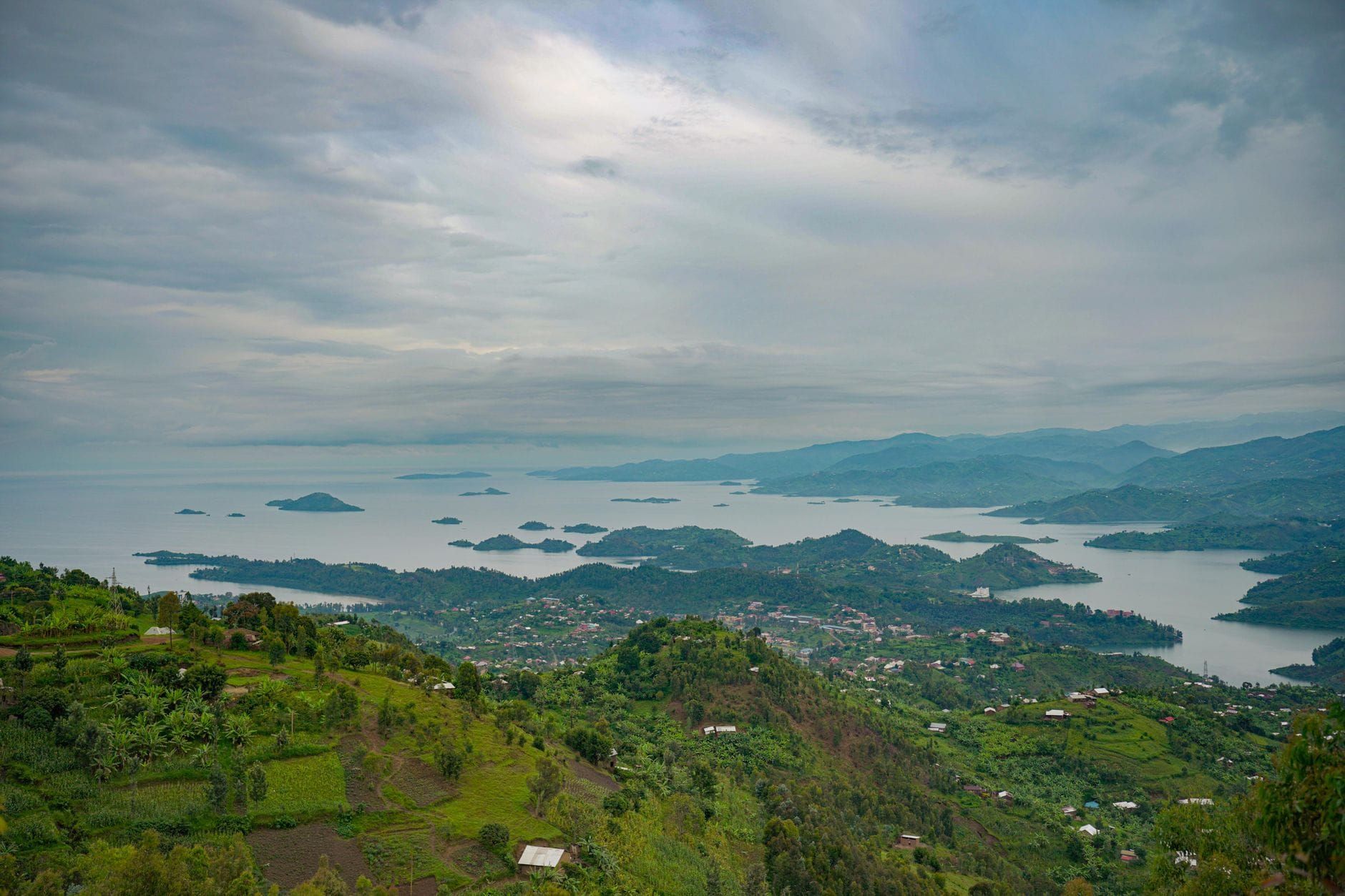
Rwanda boasts one of the continent's most dynamic growth rates, yet its unemployment rate has just risen to 15.6%. This paradox raises a central question for all of East Africa: can an economy grow without creating jobs? Meanwhile, Kigali is seeking investors for a 200 MW floating solar project on Lake Sake.
Growth That Is Not Enough
According to the French Treasury Directorate-General's weekly bulletin of 23 October 2026, unemployment in Rwanda climbed to 15.6% despite sustained economic growth. The country, which regularly targets growth rates between 6% and 8%, is failing to convert enough of its dynamism into formal employment. This phenomenon — sometimes called 'jobless growth' — is linked to the predominance of formal services in national value added, while the majority of the working population remains in informal agriculture and low-skill activities.
The paradox is all the more striking because Kigali is regularly cited as an African model of governance, foreign investment attractiveness and digital transformation. The capital hosted the African Carbon Markets Summit (CMAS) in October 2026, and the government is targeting 45% insurance coverage by 2035.
200 MW of Floating Solar on Lake Sake
To tackle both the energy equation and structural unemployment, Rwanda is issuing a call for investors in a 200 MW floating solar power plant on Lake Sake, with battery storage. According to the New Times Rwanda and Blackridge Research, this project would roughly double the country's installed renewable capacity.
Floating solar — which preserves agricultural land, reduces water evaporation and improves panel efficiency through a cooling effect — illustrates Rwanda's ambition to combine territorial constraints with climate goals.
Why It Matters
Rwanda is often presented as East Africa's success story. But the gap between macro indicators and employment reality raises questions. For donors, development funds and regional investors, the Lake Sake solar project is a concrete opportunity — and the unemployment figure is a reminder that growth cannot be measured in GDP alone.