
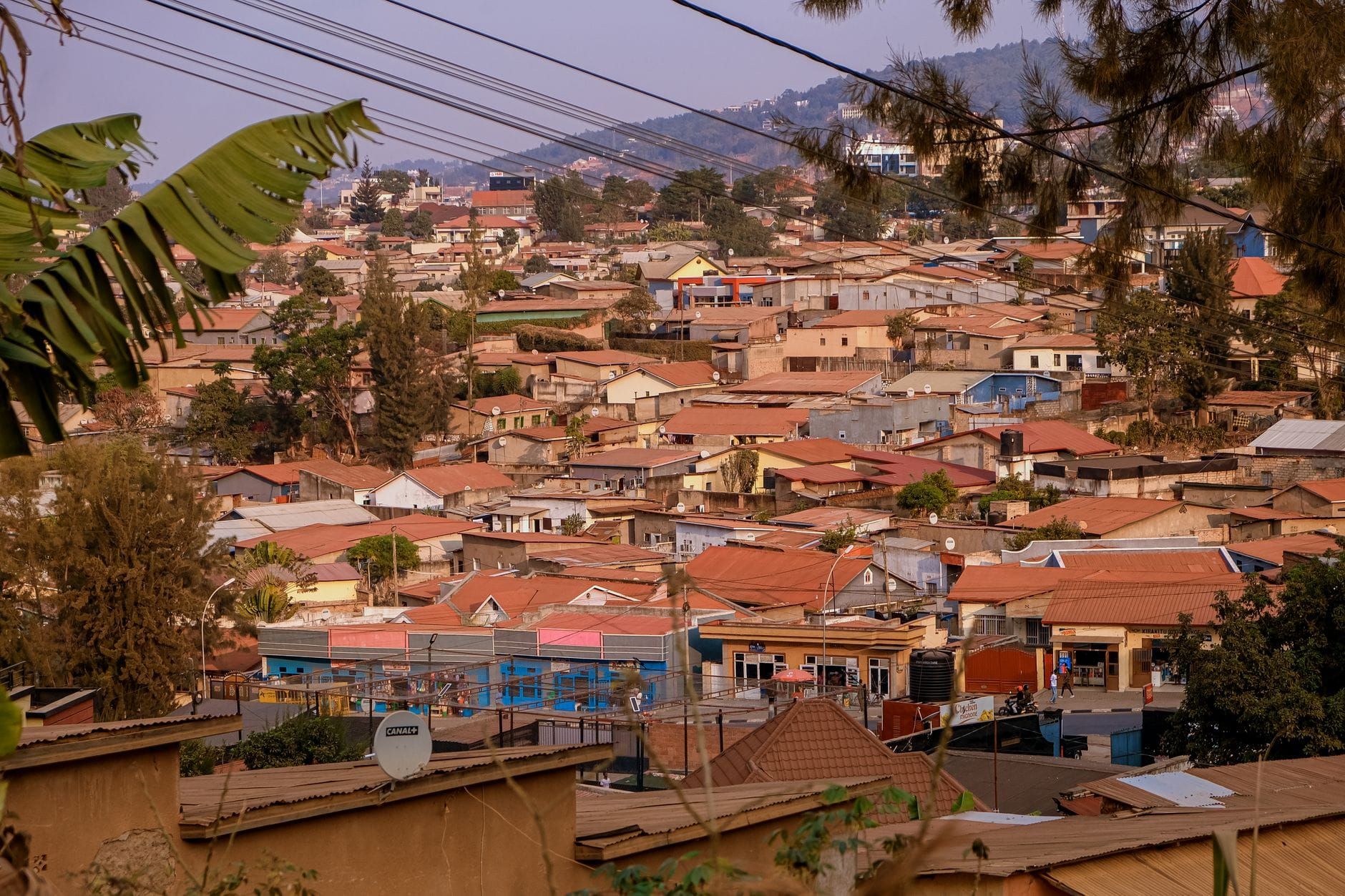
Rwanda's inflation jumped to 19.5% in October 2026, its highest level since February 2023, according to data published by the National Institute of Statistics of Rwanda (NISR). In just three months, prices gained five percentage points — the rate was still 14.5% in July and 17.2% in September. The National Bank of Rwanda is now under mounting pressure to act more decisively.
Food prices as the primary driver
The main driver of this surge is the food sector: prices for food and non-alcoholic beverages rose by 28.9% year-on-year — nearly triple the central bank's target. The transportation sector is equally alarming, with a 22.4% rise compared to October 2025, directly reflecting regional fuel price pressures. Restaurants and hotels recorded a 20.6% increase, indicating that inflation has now spread well beyond basic necessities. Housing, water, and energy costs rose by 14.2%.
Central bank response falling short
Anticipating this pressure, the National Bank of Rwanda (NBR) raised its key policy rate from 8.25% to 8.75% at its August 26, 2026 monetary policy committee meeting — citing rising international oil and fertiliser prices, as well as climate risks weighing on agricultural output. Despite this tightening, inflation continues to exceed the 2%-8% target band. October's acceleration (+2.3 percentage points vs September) leaves little doubt: another rate hike is likely at the next committee meeting.
A challenge for East Africa's hub ambitions
This inflationary surge comes at a time when Rwanda is working hard to cement its status as a financial and services hub for East Africa. The country has built a reputation as a well-governed economy, regularly ranking among Africa's top investment destinations. Persistently high inflation risks eroding that reputation and raising costs for businesses across hospitality, logistics, and trade. Kigali hosted the 38th Meeting of the Parties to the Montreal Protocol in late October — a reflection of its growing diplomatic role that sits in contrast with current macro-economic turbulences.
Why it matters
For Indian Ocean businesses with interests or plans in East Africa, Rwanda's return to double-digit inflation is a warning signal. It highlights the persistent vulnerability of regional economies to food and energy shocks. The NBR's response in the coming weeks — and its impact on exchange rates and SME financing — will be closely monitored across regional markets.