
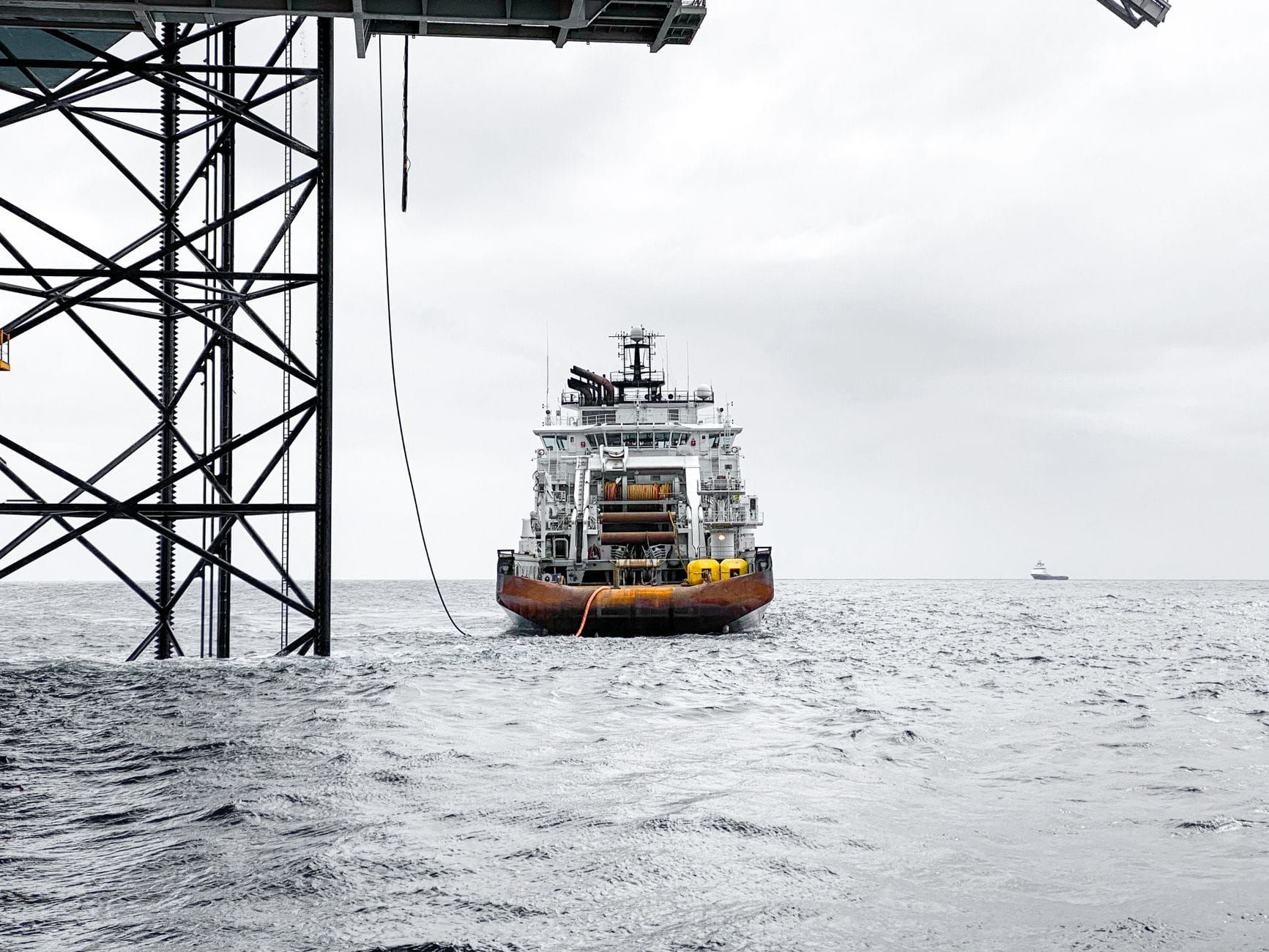
On July 28, 2026, the Mauritius Cabinet of Ministers approved the launch of a major seismic campaign over the Mascarene Plateau — a 396,000 km² Joint Management Area (JMA) shared with Seychelles. The objective: map the seafloor to assess potential reserves of oil, gas, and mineral resources across this vast stretch of the Indian Ocean.
A Strategic Bet — Ten Years in the Making
The project traces back to 2012, when the United Nations recognized the joint management rights of Mauritius and Seychelles over this underwater plateau. A first tender launched in 2016 yielded no results. French firm Viridien (formerly CGG Services) has now been retained to conduct the seismic surveys under a « multi-client » model: costs are shared between the two governments and potentially interested oil companies, significantly reducing financial exposure for each party.
No Confirmed Discovery — But a Strong Signal
No reserves have been officially identified at this stage. The seismic campaign is aimed solely at gathering geological data to evaluate « potential oil and gas reserves ». This is a preliminary — and costly — exploration phase, well ahead of any drilling decision.
The political signal, however, is clear. By validating this project, the Mauritian government confirms its intention to develop the blue economy beyond tourism and fisheries: seabed mineral and energy resources are now part of the island's strategic equation.
Why It Matters
For both Mauritius and Seychelles, the stakes go well beyond prospecting. A confirmed discovery of exploitable resources would radically transform the economic profile of both archipelagos, providing revenue to fund diversification away from tourism-dependent models. The bilateral cooperation also signals a maturing Indian Ocean regional diplomacy built around maritime resource governance.
The multi-client model chosen is also a message to major oil companies: both nations intend to develop their maritime space in an orderly fashion — attracting investors while retaining sovereignty over collected geological data.
Sources: Wazaa FM, Seychelles News Agency, Defi Media Group — July-August 2026