
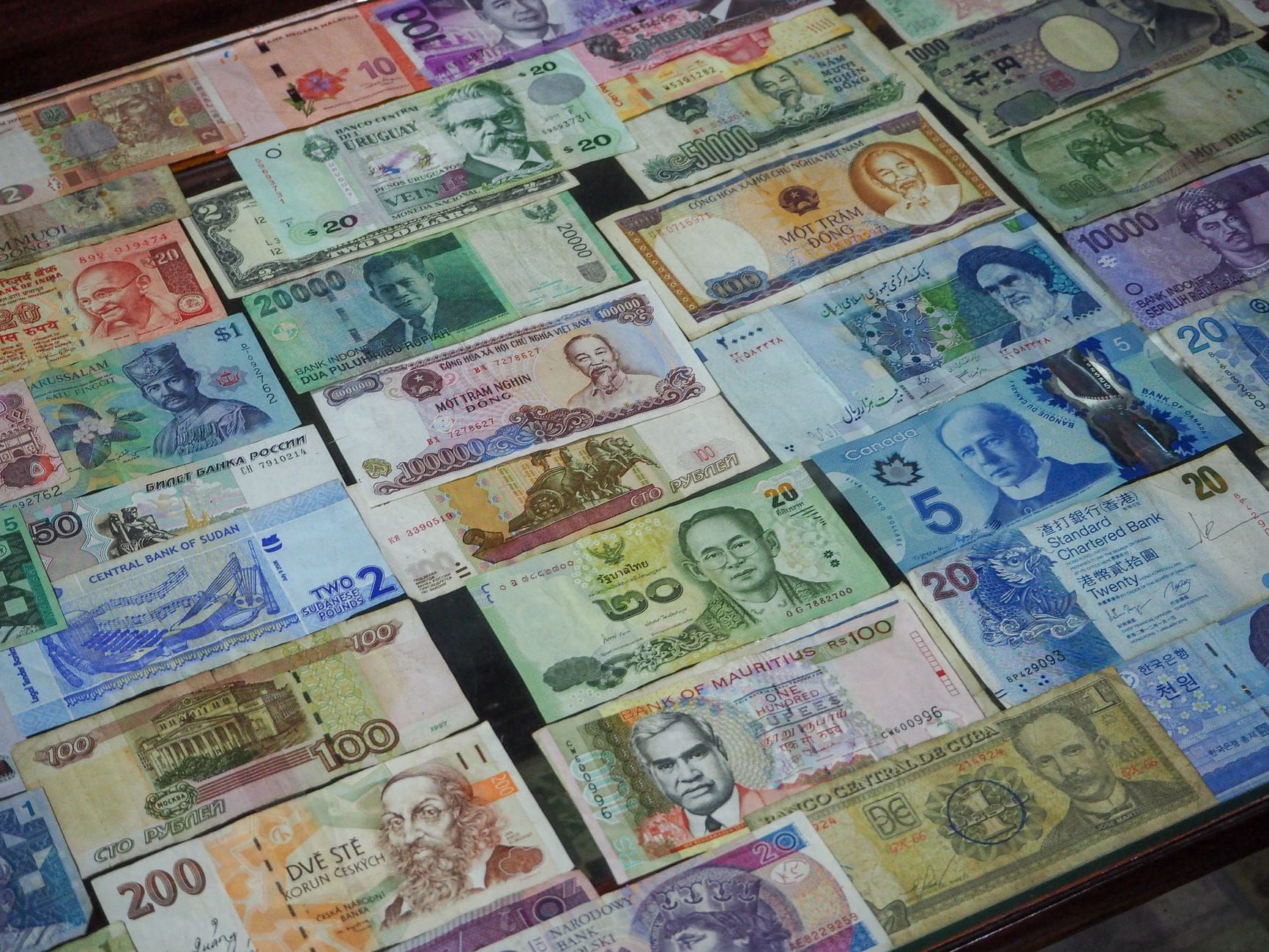
Despite injecting $125 million into the foreign exchange market between January and 22 October 2026, the Bank of Mauritius (BoM) has failed to ease the currency shortage gripping commercial bank counters and exchange bureaus. Importers are growing impatient, and the question of structural distortions in the foreign exchange market has moved to the centre of the economic debate.
$125 Million Injected — Still Not Enough
The BoM deployed $125 million between 1 January and 22 October 2026 to support foreign currency liquidity on the local market — a sizeable envelope that reflects the central bank's determination to stabilise the market. Yet on the ground, economic operators continue to report difficult access to dollars and euros. Exchange bureaus regularly show shortages, and processing times for importing businesses have lengthened.
According to Defimedia sources, the situation remains tense despite the BoM's repeated reassurances. «The foreign exchange market is under close monitoring,» the central bank has stated, while acknowledging persistent tensions in currency distribution.
An Unusual Stance: The BoM Is Buying Rather Than Selling
One of the most striking developments of 2026 is the BoM's atypical posture: on several occasions, the institution has found itself buying currencies rather than selling them — a role reversal that illustrates the complexity of the situation. The goal remains stabilising the Mauritian rupee against global turbulence, but the means to achieve it reveal the limits of conventional mechanisms.
Mauritius's external reserves exceeded Rs 415 billion early in 2026, an apparently comfortable buffer. Yet economists point to a growing gap between solid macro indicators and the reality of counter-level liquidity access. Structural distortions — notably the differential between the official rate and actual access conditions — fuel frustration among operators.
Importers Take the First Hit
Businesses reliant on imports — energy, raw materials, industrial equipment — bear the direct brunt of the shortage. Delayed payments to foreign suppliers, surcharges linked to off-channel rates, lengthened supply timelines: the chain of impact is direct and well-documented. Several economic analysts are now calling for «correcting the distortions behind the shortage» (AllAfrica, September 2026), urging a structural reform of currency distribution mechanisms.
Why It Matters
For an economy as open as Mauritius — where imports account for a significant share of GDP — access to foreign currencies is not a technical matter: it is the lifeblood of trade. A prolonged shortage erodes importers' margins, raises production costs and can fuel inflation. With growth already revised down to 3% and inflation at 5.5%, foreign exchange market stability is a central confidence indicator for investors. The BoM is now expected to deliver structural solutions, not just one-off liquidity injections.