
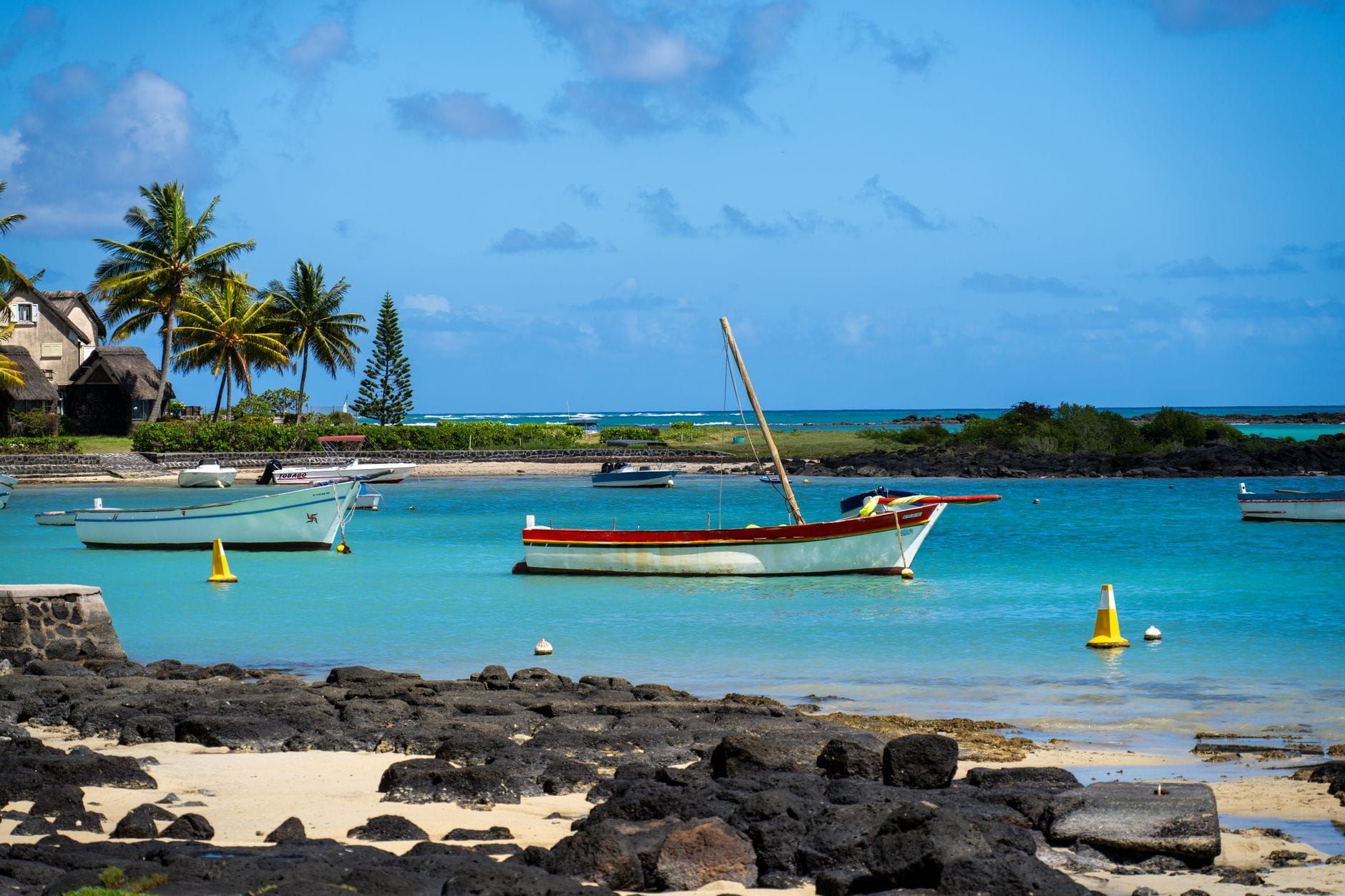
During World Ocean Day celebrations on 8 June 2026, Mauritius reaffirmed its ambition to make the blue economy a major growth pillar: the stated goal is a contribution of more than 20% to GDP in the coming years. An ambitious target for an island whose annual exports of processed tuna already represent close to 14 billion Mauritian rupees.
The High Seas Treaty: A New Legal Framework
The entry into force of the High Seas Treaty in January 2026 — officially the Internationally Binding Instrument on Marine Biodiversity in Areas Beyond National Jurisdiction — changes the picture for island states. Mauritius intends to leverage this new legal framework to better protect its Exclusive Economic Zone (EEZ) and promote sustainable exploitation of deep-sea resources through innovative fish aggregating device programmes.
Deep-Sea Fishing and Industrial Investment
The government is banking on the expansion of deep-sea industrial fishing. Dr Arvin Boolell, Minister of Agro-industry and Blue Economy, stresses the need to "strengthen maritime legislation to protect the EEZ" and to "support investment in industrial fishing equipment." The goal: to diversify revenue streams beyond the lagoon — whose fish stocks are depleting — towards the deep waters of the Indian Ocean.
A France-Mauritius Scientific Partnership
The 8 June event was co-organised by the Mauritius Oceanography Institute and the Institut Français de Maurice in Rose-Hill, illustrating the strategic role of French-Mauritian scientific cooperation in this sector. Oceanographic research, aquaculture and marine resource valorisation are central to the bilateral exchange programme.
Why It Matters
For Mauritius, the blue economy represents an essential diversification lever to reduce dependence on tourism and financial services. By targeting 20% of GDP, the island positions itself alongside major global maritime economies. The Indian Ocean region holds enormous untapped potential — fisheries, marine biotechnology, offshore renewables — that remains largely underdeveloped. The moment is strategic: legal frameworks are being established, financing is being organised, and the first economies to build coherent strategies will emerge as winners.
Sources: ION News, Mauritius Oceanography Institute.