
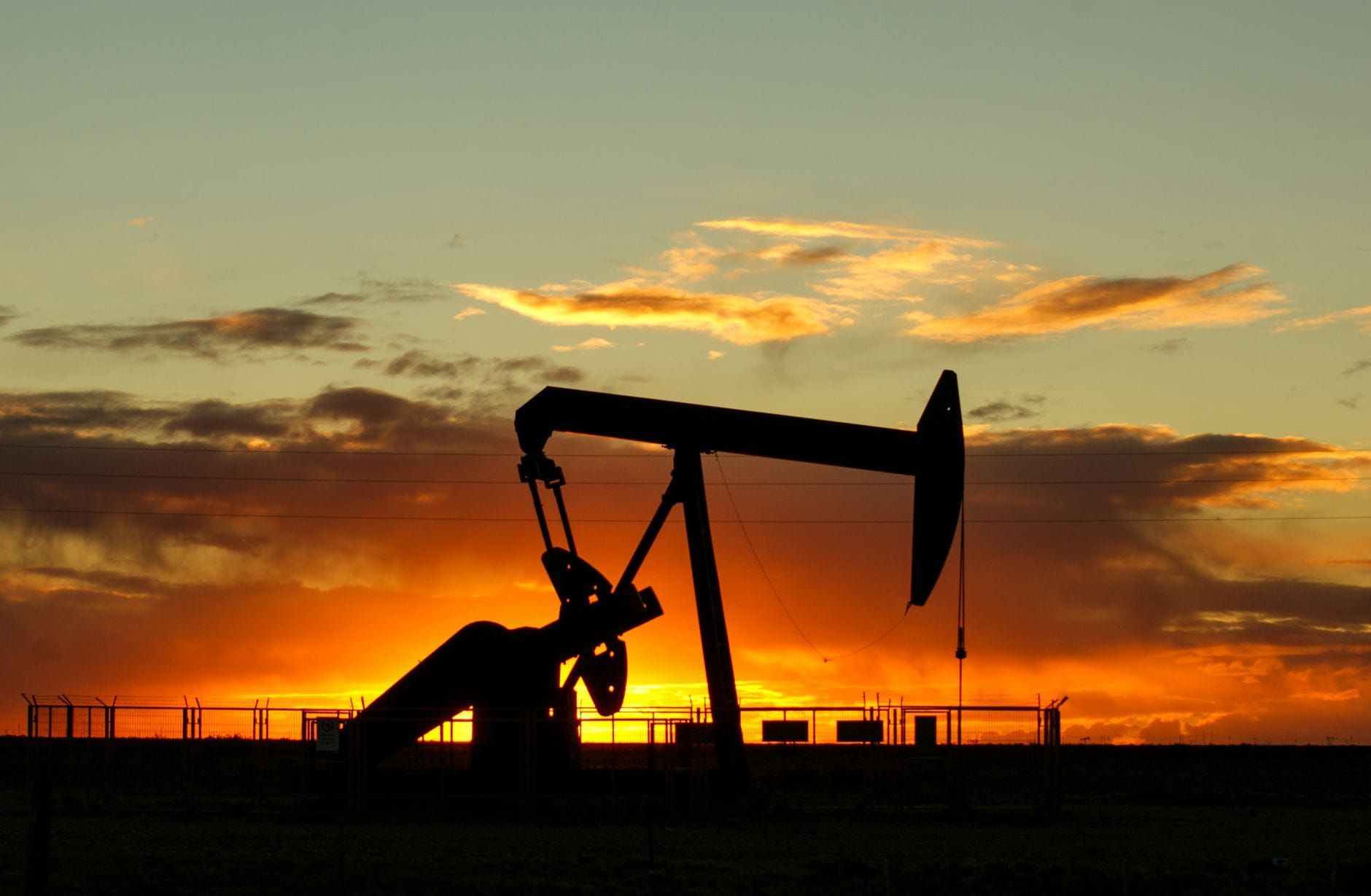
Madagascar Oil is pushing ahead. The operator of the Tsimiroro block in the Morondava Basin is targeting 600 barrels of oil per day by December 2026 — double its output since operations resumed in March 2026. That milestone would formally place the island among Africa's active oil producers.
A Project Relaunched After Years of Delay
The Tsimiroro field, located roughly 120 km from Madagascar's west coast, produces heavy crude at approximately 14° API with low sulphur content. Madagascar Oil operates under a production-sharing agreement signed with the government in 2004 for a 25-year term (Block 3104). When operations resumed in March 2026, output stood at roughly 300 barrels per day, drawn from 25 recommissioned wells — 19 producers and 6 steam-injection wells.
Fuel for Domestic Demand
Tsimiroro's heavy crude is earmarked primarily for Jirama thermal power plants — the national water and electricity utility — and for industrial use. The strategic stakes are clear: Madagascar currently imports all its hydrocarbons as refined products, exposing the country to global price swings and supply disruptions.
A Symbolic Threshold, Not an Energy Revolution
Six hundred barrels per day won't come close to energy self-sufficiency. But they represent a partial reduction in import dependency and, crucially, a signal to international investors that Madagascar's extractive sector is operationally mature. Base Toliara ($778 million investment, first production expected 2028) and Rio Tinto QMM together form the pillars of a broader natural-resource development strategy.
Why It Matters
Long seen as high-potential but low-delivery, Madagascar is stacking up positive signals in 2026. Tsimiroro's ramp-up, combined with the government's repeated calls for local transformation of raw materials, points to an extractive economy in transition — one that will still need to convince on governance and community benefit-sharing.
Sources: Capmad, 2424.mg, AllAfrica — data July 2026.