
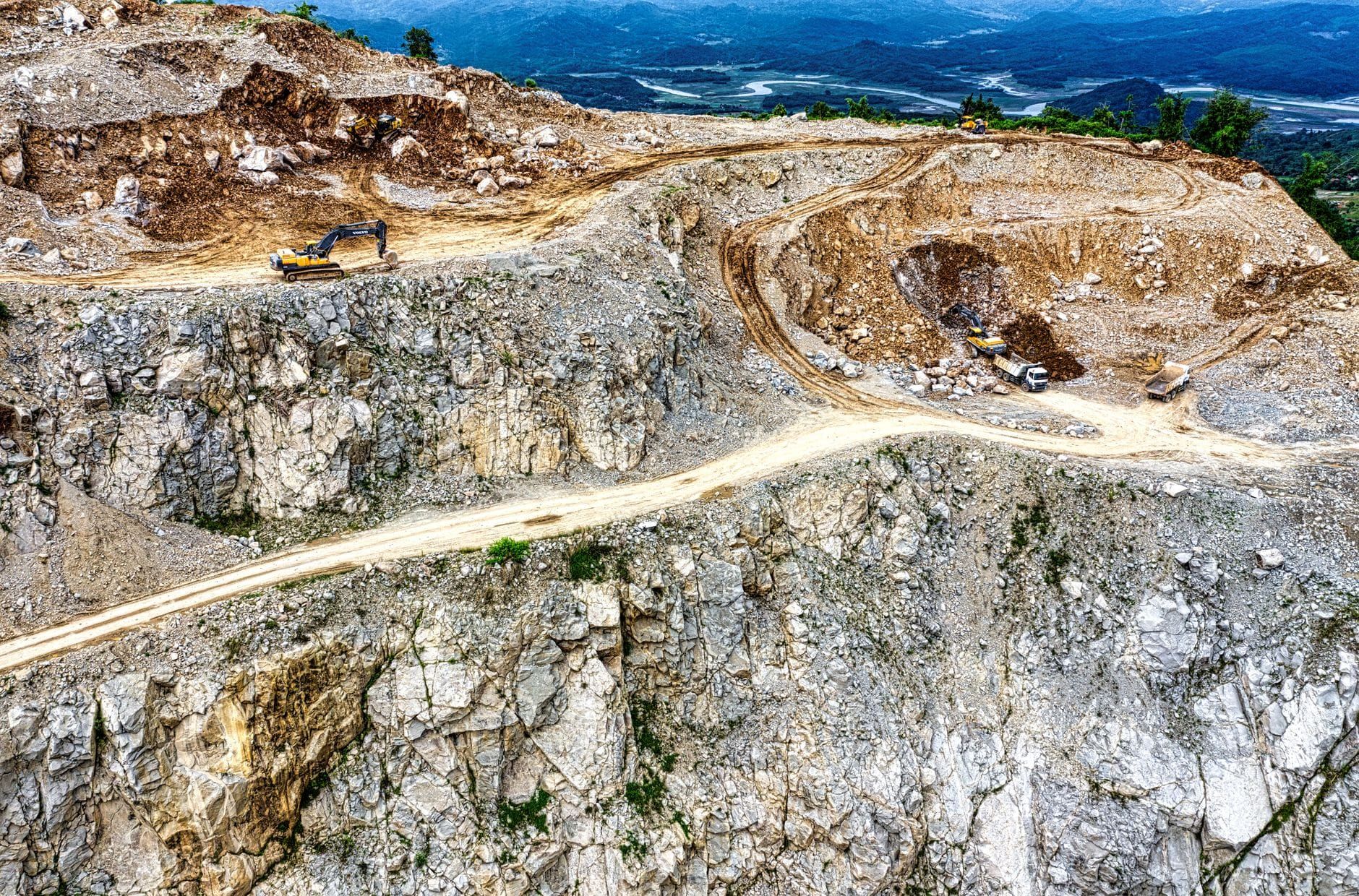
The US Development Finance Corporation (DFC) has committed $4.48 million to support a rare earths pilot plant at Ampasindava, in northwestern Madagascar. The funding goes to London-listed Harena Rare Earths, whose deposit is valued at approximately $150 million. The move is part of Washington's strategy to secure critical mineral supply chains against Chinese dominance.
Ampasindava: a deposit of strategic minerals
The Ampasindava project contains neodymium, praseodymium, dysprosium and terbium — the four most valuable rare earths for permanent magnet manufacturing. These materials are essential for electric vehicle motors, wind turbines, defence systems and high-precision electronics.
According to Harena's estimates, the deposit could produce approximately 4,000 tonnes of rare earth oxides per year, of which around 1,700 tonnes are high-value magnet rare earths. Harena is currently awaiting an exploitation permit from the Malagasy government.
A geostrategic investment to counter China
The US State Department framed the investment as a response to « opaque, predatory investments from our adversaries » — language directed squarely at Beijing. China currently controls most of the global rare earths refining chain, giving it significant leverage over Western technology and defence industries.
« DFC funds cover early-stage work: pilot plant, lab testing, environmental programmes. They do not yet finance large-scale construction, » a DFC document reviewed by Energies Media noted.
Among the refining partners being considered by Harena are MP Materials, USA Rare Earths (United States) and Solvay (Belgium). Securing a refining agreement outside China is presented as the project's next decisive step.
Why it matters
Madagascar is one of the best-endowed countries in Sub-Saharan Africa for critical minerals. After the setbacks at the Ambatovy nickel mine, rare earth development at Ampasindava represents a fresh opportunity to diversify the island's export revenues. For regional decision-makers, this project illustrates the growing geopolitical competition between the US and China for African natural resources — a dynamic that generates both investment and diplomatic tensions across the region.