
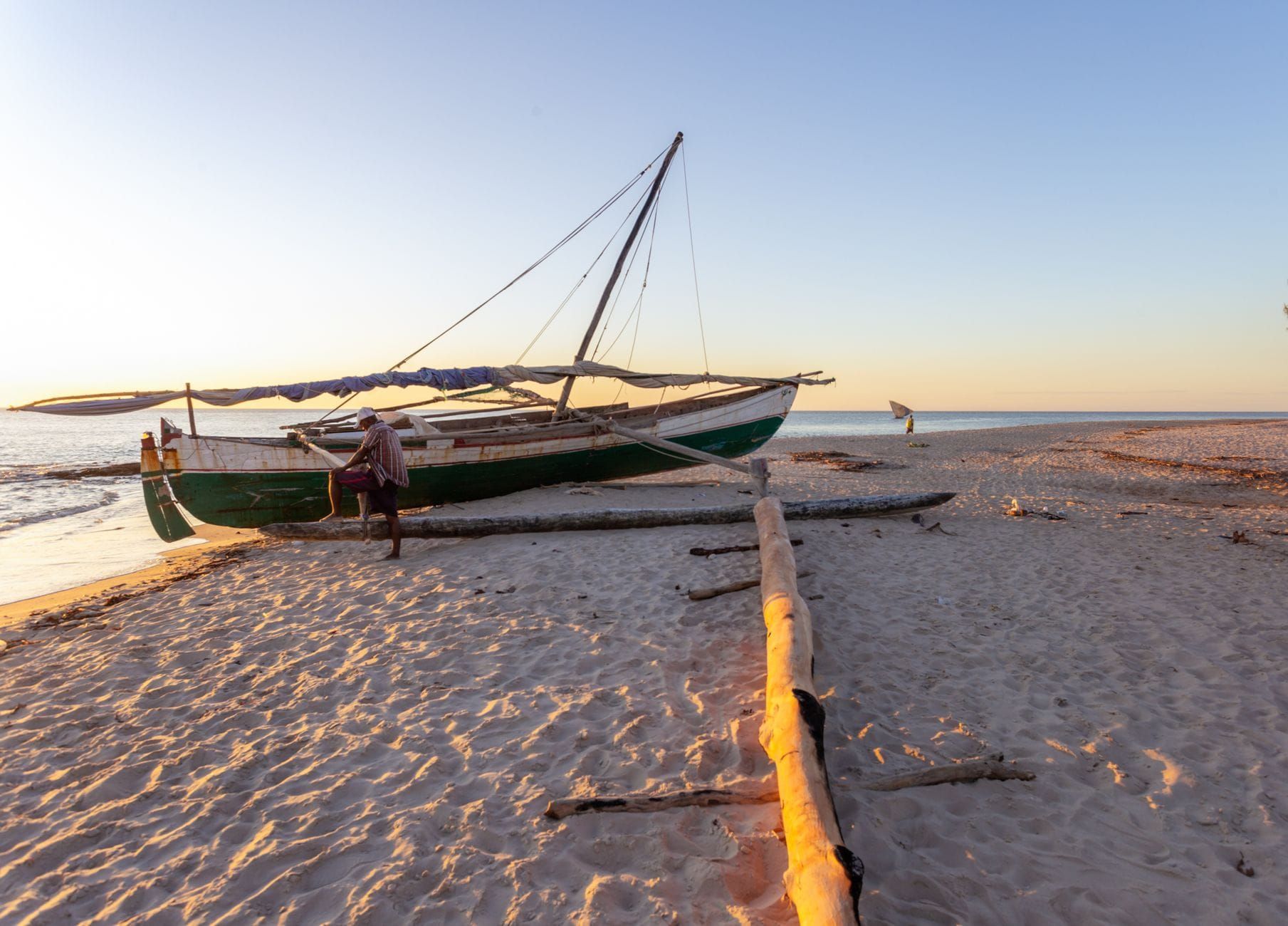
For the first time, Madagascar's blue economy has an official and methodologically robust assessment: according to a study by the United Nations Economic Commission for Africa (ECA), validated on 17 November 2026 in Antananarivo, the sector represents approximately 10.8% of GDP. This figure exceeds previous estimates from Madagascar's Ministry of Fisheries, which had put the figure at "more than 7%".
A Vast Maritime Asset, Still Underutilised
Madagascar has a coastline of nearly 5,000 km and an Exclusive Economic Zone (EEZ) of approximately 1.1 million km². The sector directly supports 1.5 million people along the coast, according to combined ministry and FAO data. In 2024, fisheries exports reached 26,541 tonnes worth 731 billion ariary (around €150 million), with shrimp as the leading export product.
A Validation Workshop to Anchor the Methodology
The 17 November workshop, organised by the ECA's sub-regional office for East Africa and funded by Denmark, launched an online version of the Blue Economy Valuation Toolkit (BEVTK), created in 2020. The goal is to equip Madagascar with a regular data collection system enabling periodic updates — a first in the Indian Ocean region. According to Afrik.com, published on 20 November 2026, this validation "provides a common reference for the government and its partners".
Vulnerabilities That Put the Figures in Context
The World Bank estimated in 2022 that ecosystem services from 47 coral reef, mangrove and wetland sites were worth $192 million per year. But the country remains exposed to major climate shocks: in early 2026, Cyclones Fytia and Gezani caused damage estimated at between 3.4% and 11% of GDP depending on the source (World Bank and French Treasury respectively), affecting more than 600,000 people and destroying 60% of the port of Toamasina. Moreover, in 2024, 80% of the population still lived below the $2.15-a-day poverty line (World Bank, purchasing power parity).
Why This Matters
This assessment arrives at a strategic moment. It strengthens Madagascar's case to international donors for investment in sustainable fisheries, blue economy development and coastal resilience. It is part of a series of initiatives: the launch of a fisheries satellite account in July 2025 with the Indian Ocean Commission and the European Union, and a national blue economy investment forum organised with WWF in December 2025. Putting a precise figure on what the sea is worth to Madagascar is the first condition for protecting it — and for drawing greater benefit from it.