
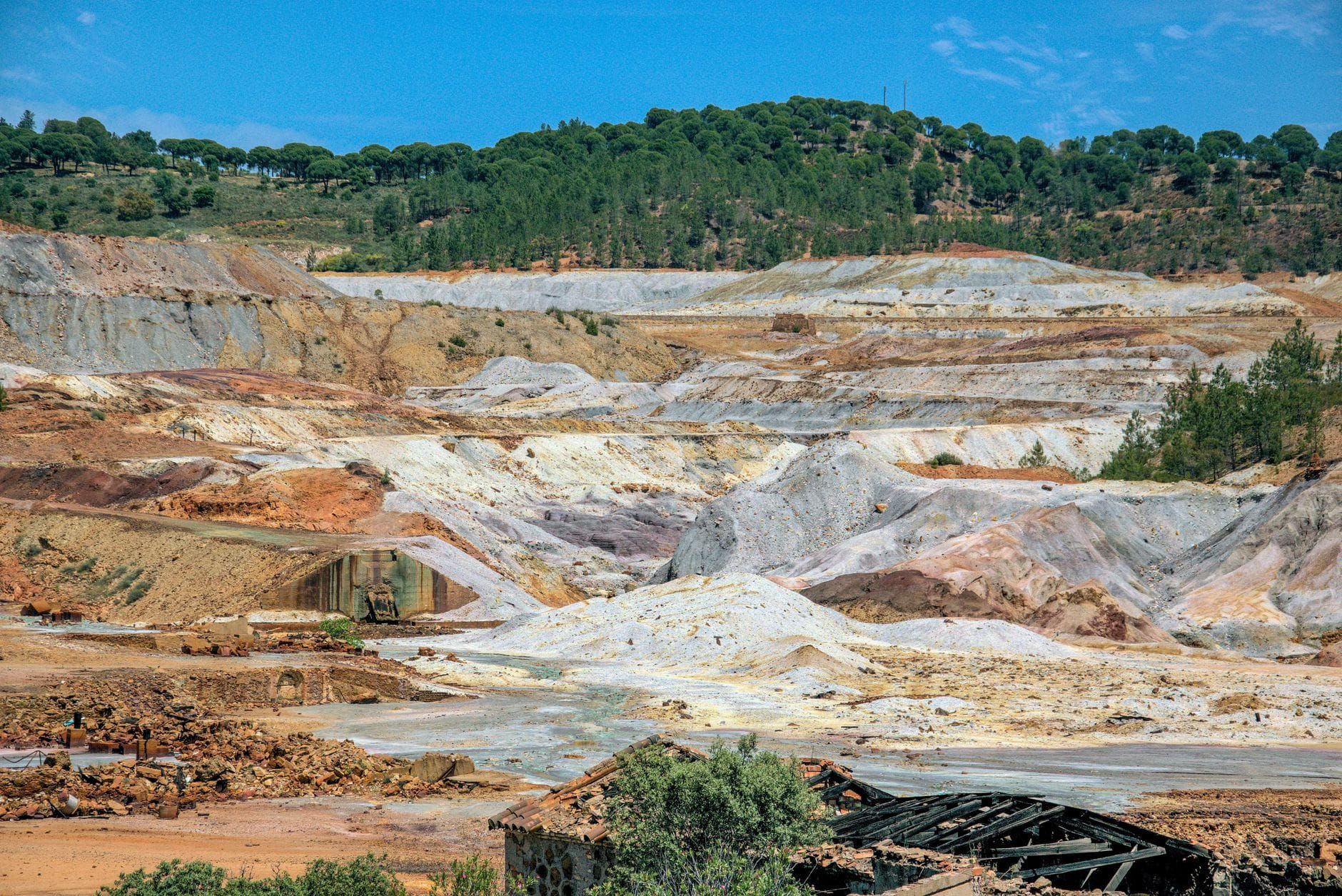
The Malagasy government has stepped up its calls to foreign investors to develop local mineral processing. While Madagascar ranks among the world's best-endowed countries in mineral resources, almost all production is exported raw, stripping the island of industrial value-added.
Exceptional geology, embryonic transformation
Madagascar holds deposits of nickel, cobalt, titanium, ilmenite, graphite and precious stones — strategic resources in soaring demand as the energy transition and electric vehicle sectors accelerate globally. Yet the dominant model remains raw material exports. The government's ambition: build a local processing industry that lets Madagascar capture more value from its own mineral wealth.
Base Toliara and QMM: flagship projects advancing
Two projects embody this dynamic. The Base Toliara project, led by Base Resources, represents a $778 million investment in mineral sands (ilmenite, zircon, rutile) extraction in the island's southwest, with first production expected in 2028. QMM Rio Tinto, showcased at Mining Indiba 2026, helped place Madagascar on Africa's leading mining map. These projects open direct opportunities for equipment suppliers, logistics providers and industrial service companies.
Significant challenges remain
Madagascar's mining appeal still faces real obstacles: legal and fiscal framework stability, inadequate infrastructure (roads, ports, power), and local governance challenges. Potential investors are waiting for clear signals on contract security and fair sharing of mineral revenues with local communities.
Why it matters
For Madagascar, local mineral processing is more than an economic question: it's a structural development lever that could durably reshape the country's growth equation. Regional Indian Ocean players — notably Mauritian and Réunion-based actors — also see opportunities in financial services, logistics and engineering, opening in a window that is gradually widening.