
Madagascar's government has introduced a 20% customs duty on imported rice, alongside a 5% VAT. This structural fiscal shift aims to revive the domestic rice sector and reduce reliance on some 800,000 tonnes of annual imports.
A fiscal lever years in the making
Embedded in the 2026 supplementary budget bill, the measure marks a turning point in Malagasy agricultural policy. Until now, imported rice had benefited from a VAT exemption that, according to the World Bank, "directly conflicted with efforts to support local rice farmers."
With a 20% customs duty and a 5% VAT now in force, the government aims to create a price differential favouring local production. Herbicides and fungicides are exempted from the increase; fertilizers and farming equipment benefit from targeted tax reductions to avoid burdening producers.
Output climbing by 10.4%
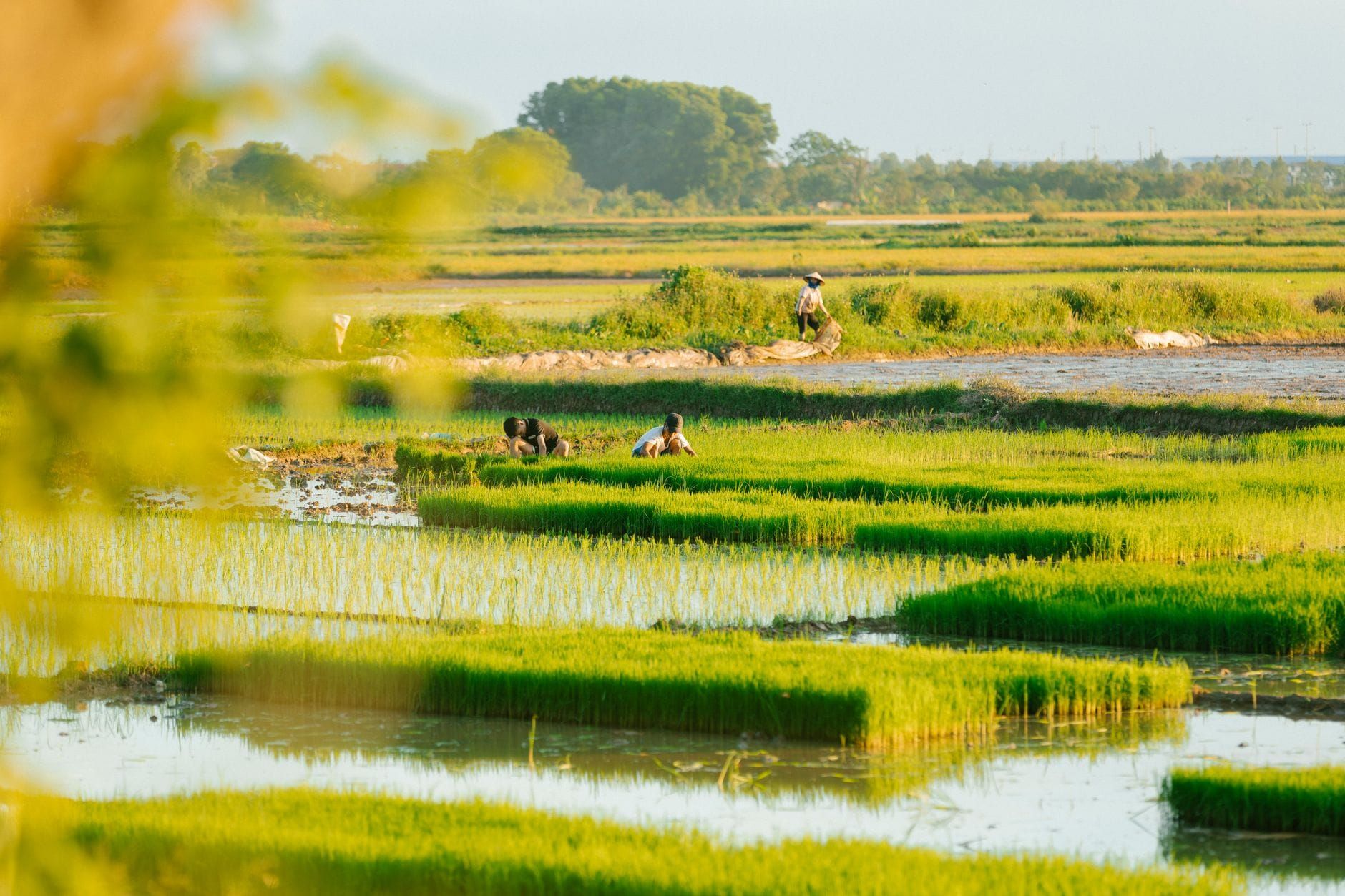
The rice sector is showing encouraging signs: national production rose from 4.684 million tonnes of paddy in 2025 to an estimated 5.172 million tonnes in 2026 — a 10.4% year-on-year increase. The Sofia region alone accounts for 700,000 tonnes, making it the country's leading rice basin.
To support this momentum, the state is investing simultaneously in dam construction, irrigation network expansion, improved seed distribution, and rural road rehabilitation.
The social risk of the measure
The trade-off is immediate: in Antananarivo's urban markets, imported rice — historically the cheapest option — has seen price increases, triggering consumer protests. The challenge for the government is to hold both objectives at once: protect producers without penalising the most vulnerable households.
The Minister of Economy defended the measure as "an act of confidence in the rural world and an instrument of economic revival," stressing that food self-sufficiency remains a core objective under the national development plan.
Why it matters
Madagascar still depends on some 800,000 tonnes of foreign rice each year. This dependency exposes public finances to international price shocks and keeps value added from being captured locally. The new tax regime is a long-term bet: if domestic production catches up, it could shrink the import bill while building a more resilient agricultural supply chain at the heart of the Indian Ocean.