
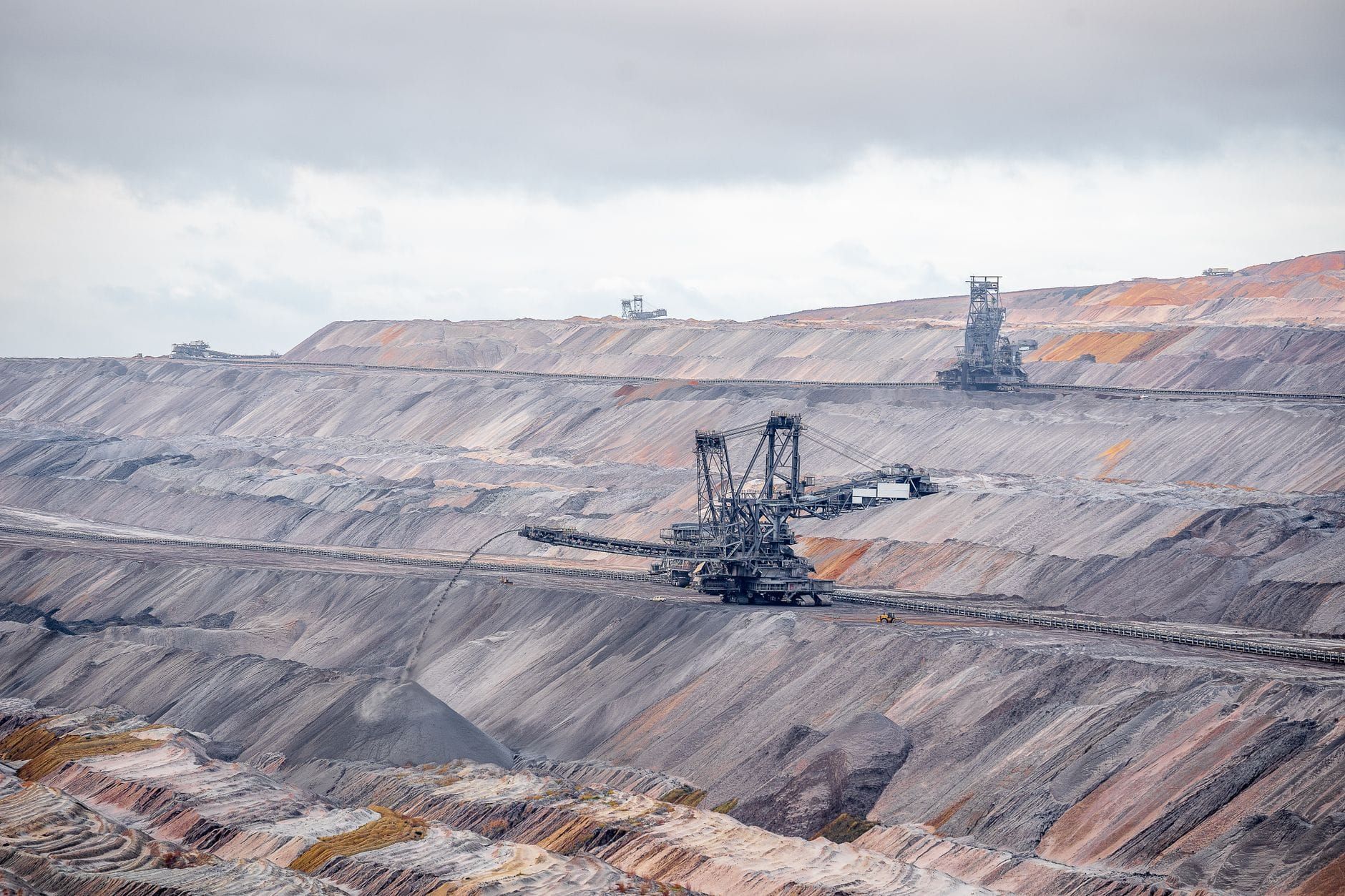
Since August 28, 2026, the Mandena mine near Fort-Dauphin has been at a standstill. QIT Madagascar Minerals (QMM), 80% owned by Rio Tinto, suspended all ilmenite extraction and processing after three weeks of road blockades by local farmers. Behind the crisis lies an environmental dispute nearly two decades old — and a court ruling now upheld by Madagascar's Supreme Court.
A confirmed ruling, an inevitable suspension
In February 2026, the Fort-Dauphin court ordered QMM to compensate 27 farming families for lasting damage to their land — rice fields flooded since 2007 by a retention dam built for the mine. The award: 9.9 billion ariary, or nearly €2 million. On August 4, 2026, Madagascar's Supreme Court upheld the ruling.
Despite the decision, residents said compensation was not forthcoming. They blocked site access roads from mid-August onward, making it impossible for staff to circulate and for ore to reach the deep-water Ehoala port.
QMM links restart to security
In a statement dated August 28, QMM announced the suspension of all extraction and processing activities, citing «security concerns». The company said a return to operations would depend on the «sustainable restoration of safety and free movement to and from the site».
Rio Tinto, which holds 80% of QMM alongside the Malagasy state's 20%, gave no timeline. The ilmenite mined at Mandena — a titanium dioxide ore used globally in paints, plastics and industrial coatings — is exported via Ehoala port for overseas processing.
A strategic stake for Madagascar
The Mandena mine is one of the country's largest foreign industrial investments. Its suspension raises serious questions: lost export revenues for the state, impact on direct and indirect jobs in Fort-Dauphin, and a signal sent to potential investors in a country already ranked among the world's poorest.
Madagascar is also the world's top graphite producer and aims to become a regional mining hub. Projects like the Ampasindava rare-earth deposit are under development. A swift resolution to the QMM crisis will be closely watched by all foreign partners.
Why it matters
This case illustrates a structural tension common to resource-rich nations: balancing foreign investment attractiveness with legitimate local grievances — here validated by the courts. For Madagascar, the stakes are twofold — maintaining investor confidence while demonstrating that the rule of law also protects host communities. A difficult balance, but an unavoidable one for any country aiming to sustainably develop its mineral resources.
Sources: Capmad (02/09/2026), Financial Afrik (31/08/2026), Midi Madagasikara (28/08/2026), Allafrica (14/02/2026).