
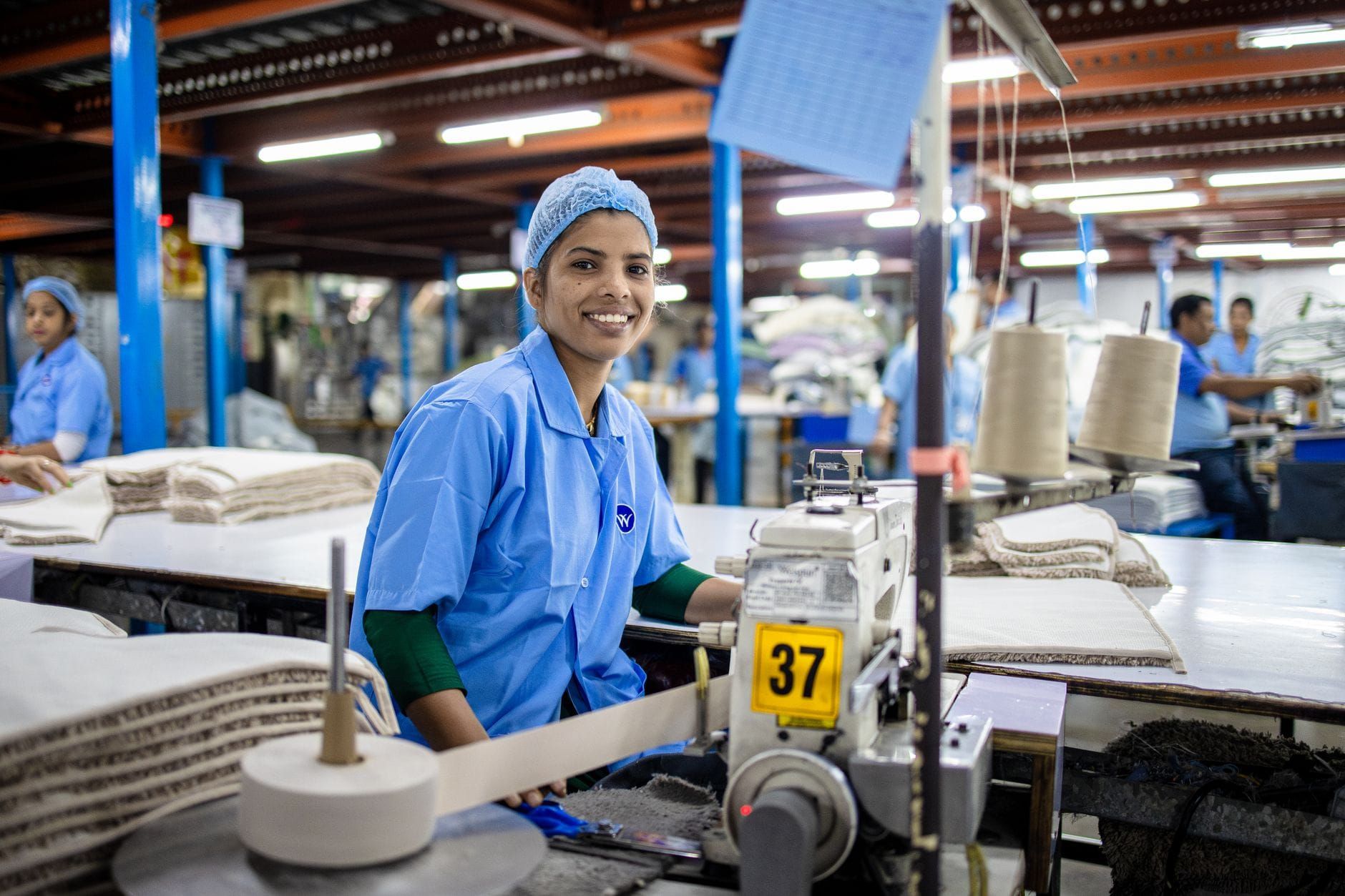
A historic page is being written in Madagascar's labour relations. By decree of June 29, 2026, the Malagasy government ratified a double increase to the Minimum Starting Wage (SME) in the private sector — the first such move in sixty years. A strong signal to workers in a country where purchasing power remains under pressure.
A Two-Step Catch-Up
The timeline is clear: from March 1, 2026, the minimum wage rose from 262,680 ariary to 300,000 ariary. Then, from October 2026, a second step will lift the floor to 315,000 ariary. The cumulative increase reaches +19.8% over the year.
A notable provision of the decree: workers are owed four months of back pay (March through June 2026), ensuring no one is short-changed by the gap between the effective date and publication. The Labour Director confirmed: «The minimum wage is maintained at 300,000 ariary until September. From October, a second increase will bring the SME to 315,000 ariary.»
A Compromise Wrung from Months of Negotiation
Talks between the government, employers and trade unions were intense. The Confederation of Madagascar Workers (CTM) had initially demanded a floor of 360,000 ariary. The final figure of 315,000 ariary is a compromise, but union representatives hail the historical advance: «It's the first time in 60 years there's been a double increase in the same year!»
This standoff plays out against a backdrop of persistent inflation, worsened by rising food and fuel prices that have eroded Malagasy household purchasing power since 2022.
Why It Matters
The minimum wage hike is more than a social issue: it signals to foreign investors that the Malagasy state can manage social dialogue. In the short term, injecting additional income into low-income households could support domestic consumption — a growth lever in a country where the internal market remains under-exploited. Worth watching: the impact on margins for formal SMEs, particularly vulnerable in the textile and agro-industry sectors.
Source: L'Express de Madagascar, Newsmada / Business.OI