
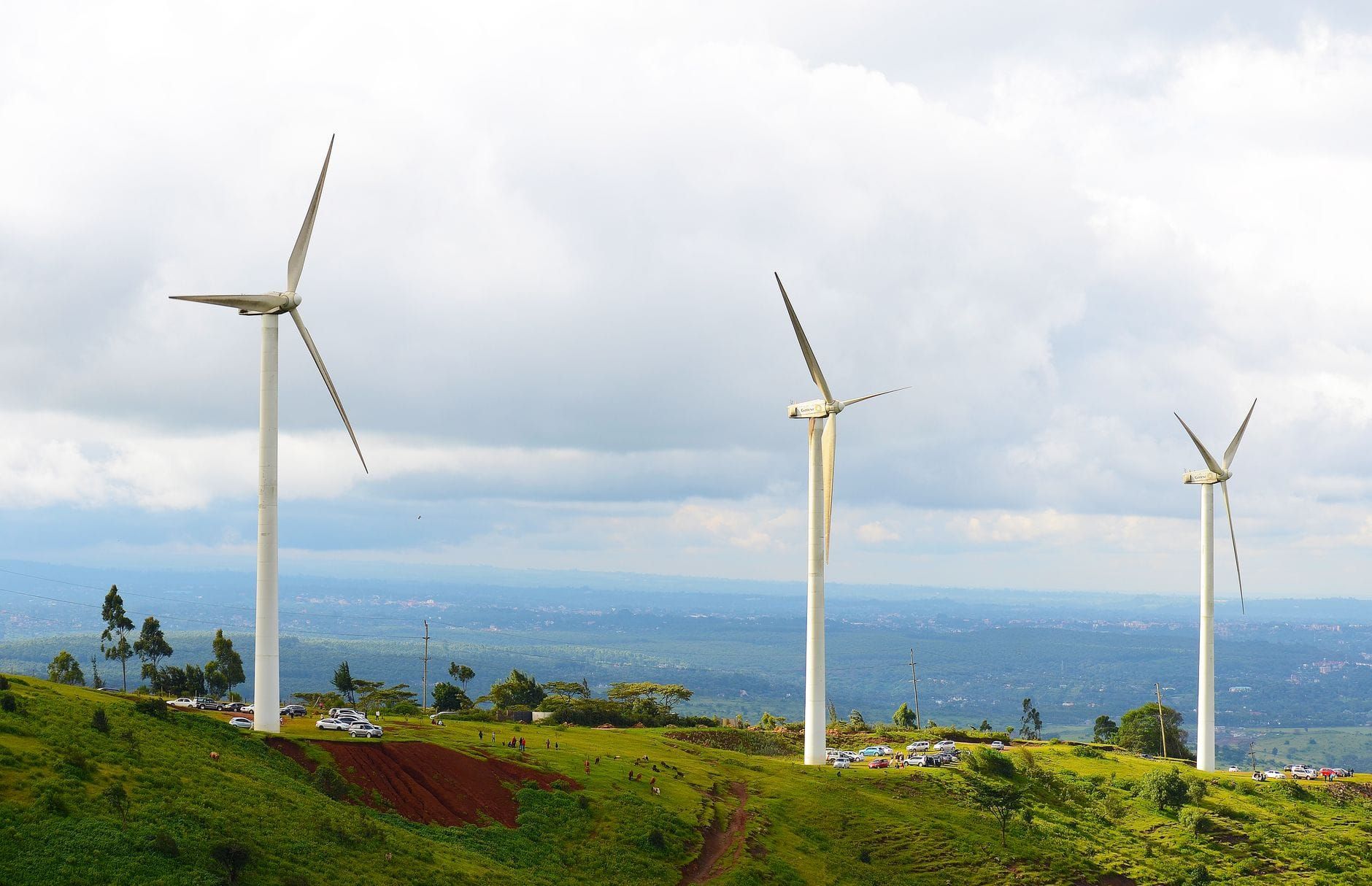
Madagascar is writing a new chapter in its energy history. In July 2026, the country's first wind farm was commissioned at Fort-Dauphin (Tolagnaro), in the Anôsy region. Developed by QIT Madagascar Minerals (QMM) in partnership with CrossBoundary Energy, this project marks a technological and symbolic breakthrough for an island where more than 80% of the population lacks reliable access to electricity.
A 30 MW Hybrid Facility
The wind farm comprises 19 turbines with an installed capacity of 16 MW. Combined with existing solar installations (14 MW), the site now forms a hybrid wind-solar complex totalling 30 MW, complemented by a battery energy storage system (BESS) with a capacity of 16 MWh. This configuration smooths output according to weather conditions and ensures a stable supply.
The facility covers «the majority of the QMM mining site's operational energy needs» while injecting surpluses into the local grid operated by Jirama, the national utility, for the benefit of Fort-Dauphin's households and businesses.
A Sustainable Mining Blueprint
This infrastructure is part of QMM's «Sustainable Mining» programme — QMM being a subsidiary of mining giant Rio Tinto. The goal: reduce industrial carbon emissions by replacing diesel generators with renewable sources. The economic case is equally compelling: on-site renewable energy cuts operational costs and reduces exposure to fuel price volatility.
During the week of August 24, the Arab Bank for Economic Development in Africa (BADEA) confirmed it is studying financing for the rehabilitation of the RN5 road — a crucial artery connecting Fort-Dauphin to the rest of the country. If that financing materialises, it would complement the energy infrastructure to truly open up the region.
Why It Matters
Every renewable megawatt installed in Madagascar is not just an environmental win — it is a signal to investors: the country can host complex infrastructure projects with world-class international partners. The Fort-Dauphin wind farm shows that the energy transition can start in the mining sector, typically a heavy energy consumer, and then benefit surrounding communities. A replicable model for other isolated regions of the island.