
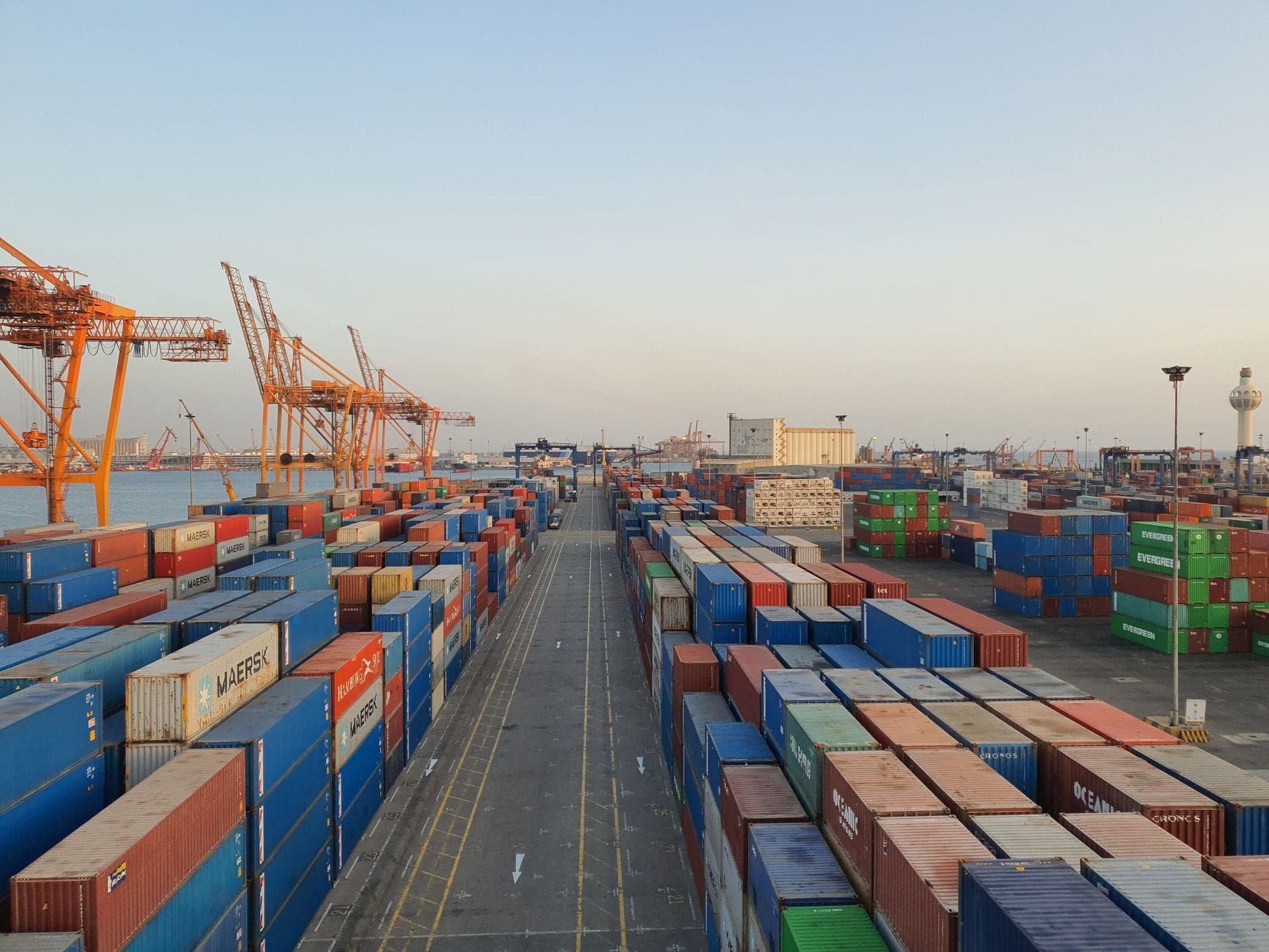
Madagascar is taking a decisive step in its trade connectivity strategy. The Autonomous Port of Toamasina (SPAT) has officially launched the operational phase of the Port Sec III project — a multimodal logistics and port platform (PMLP) at Tsarakofafa, 8 kilometres from the main port. Total investment stands at USD 200 million.
A game-changing project for southern Africa
The Tsarakofafa site will host a full suite of infrastructure: container storage areas, parking for 500 heavy trucks, unpacking zones and a railway connection. Priority construction works — access roads and truck parking — are set to begin in August 2026. The SPAT chief executive states that "Tsarakofafa brings together all the conditions needed to develop a modern logistics platform."
Significant economic and social impact
The financial projections are ambitious: the project is expected to generate annual revenues of 65 billion ariary in its first three to five years, rising to 100 billion ariary per year after five years. Approximately 1,500 permanent jobs will be created, alongside several thousand temporary construction jobs. Around 270 residents are affected by relocation, with more than 100 having already accepted resettlement to Port Sec II.
Why it matters
Toamasina is already the busiest port in East Africa and the Indian Ocean by traffic volume. Combined with the new C4 quay coming online in 2026, Port Sec III positions Madagascar as a serious maritime redistribution hub for the entire region — directly affecting Réunion, Mauritius and the Comoros, whose cargo flows partly transit through Toamasina. For regional investors, it is a strong signal: Madagascar is methodically building the infrastructure of an open economy.