
A strategic meeting held on September 1, 2026 in Antaninarenina marks a turning point in US-Madagascar economic relations. Washington is deploying a coordinated "whole-of-government" approach, mobilising four major US institutions around Madagascar's priority development challenges.
Washington deploys its institutional arsenal
The September 1 meeting between Dr Herinjatovo Aimé Ramiarison, Minister of Economy and Finance, and Tom Bevan, US chargé d'affaires in Antananarivo, opened a new chapter in bilateral economic relations.
The US is taking an explicitly "whole-of-government" approach, coordinating four major institutions simultaneously: the Development Finance Corporation (DFC), the Export-Import Bank (Exim Bank), the Department of Commerce, and the Department of the Treasury. Such a coordinated mobilisation signals an ambition far beyond conventional trade exchanges.
Four priority sectors identified
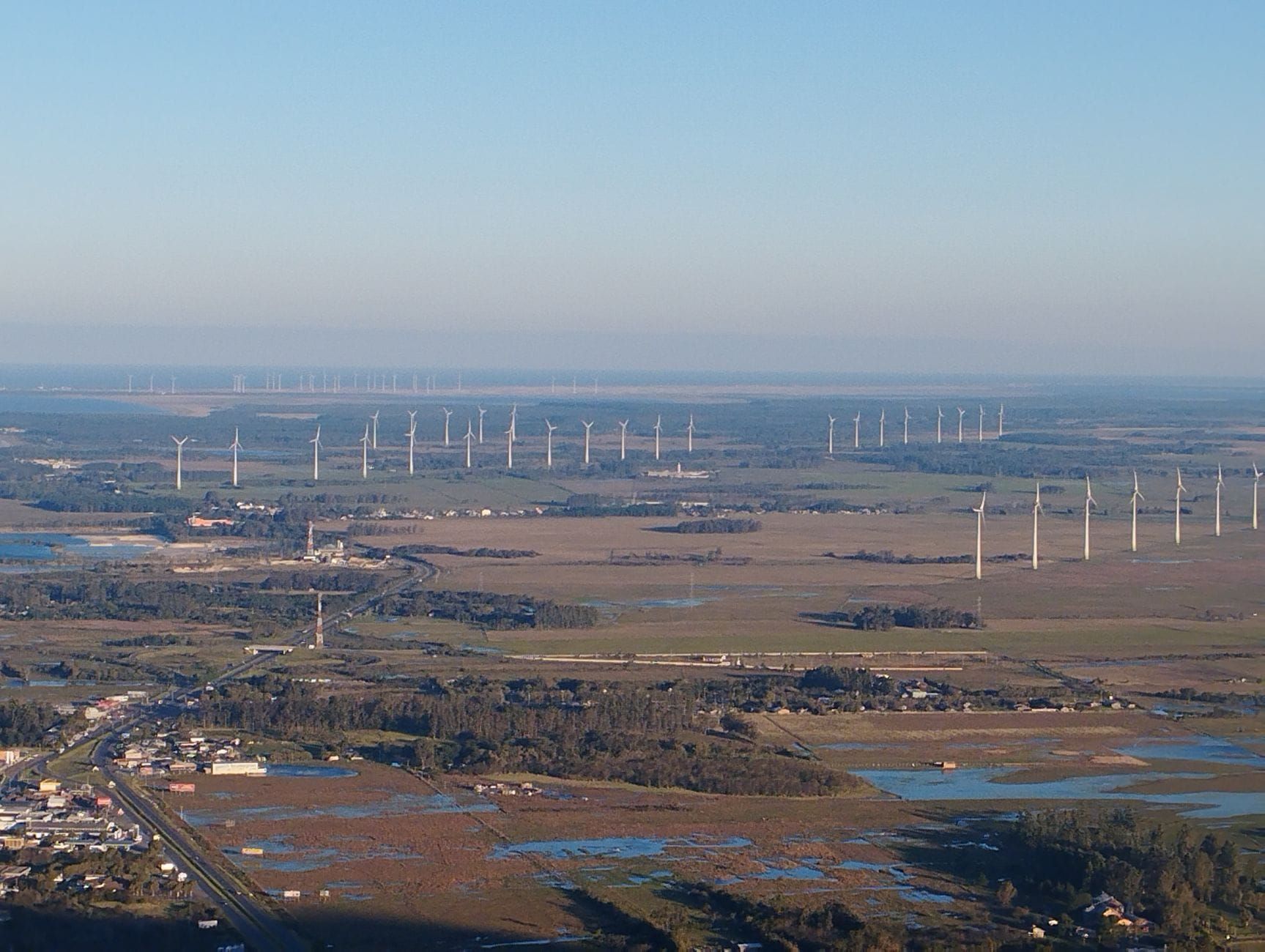
Discussions focused on specific areas: renewable energy to reduce Madagascar's dependence on imported fuels, electricity access, water infrastructure, and healthcare systems — supply chains, laboratory capacity and health surveillance networks.
Minister Ramiarison acknowledged a binding fiscal reality: "Public resources are limited." The government is therefore banking on public-private partnerships (PPPs) to finance the roads, power grids and digital infrastructure Madagascar needs to accelerate development.
A geopolitical signal as much as an economic one
This meeting comes amid a rebalancing of influence in Sub-Saharan Africa and the Indian Ocean. Washington is reinforcing its presence in a country where France and China remain major economic actors. The multi-institutional approach — DFC for private financing, Exim Bank for export guarantees, Commerce for industrial partnerships, Treasury for fiscal reforms — signals long-term structural ambition.
Why it matters
For Madagascar, the simultaneous involvement of four major US agencies represents significant potential for financing and technology transfer — particularly in renewable energy, where the island lags significantly. For regional observers, it signals that the Indian Ocean is entering a new phase of great-power competition — and opportunity for states that can capitalise on it.