
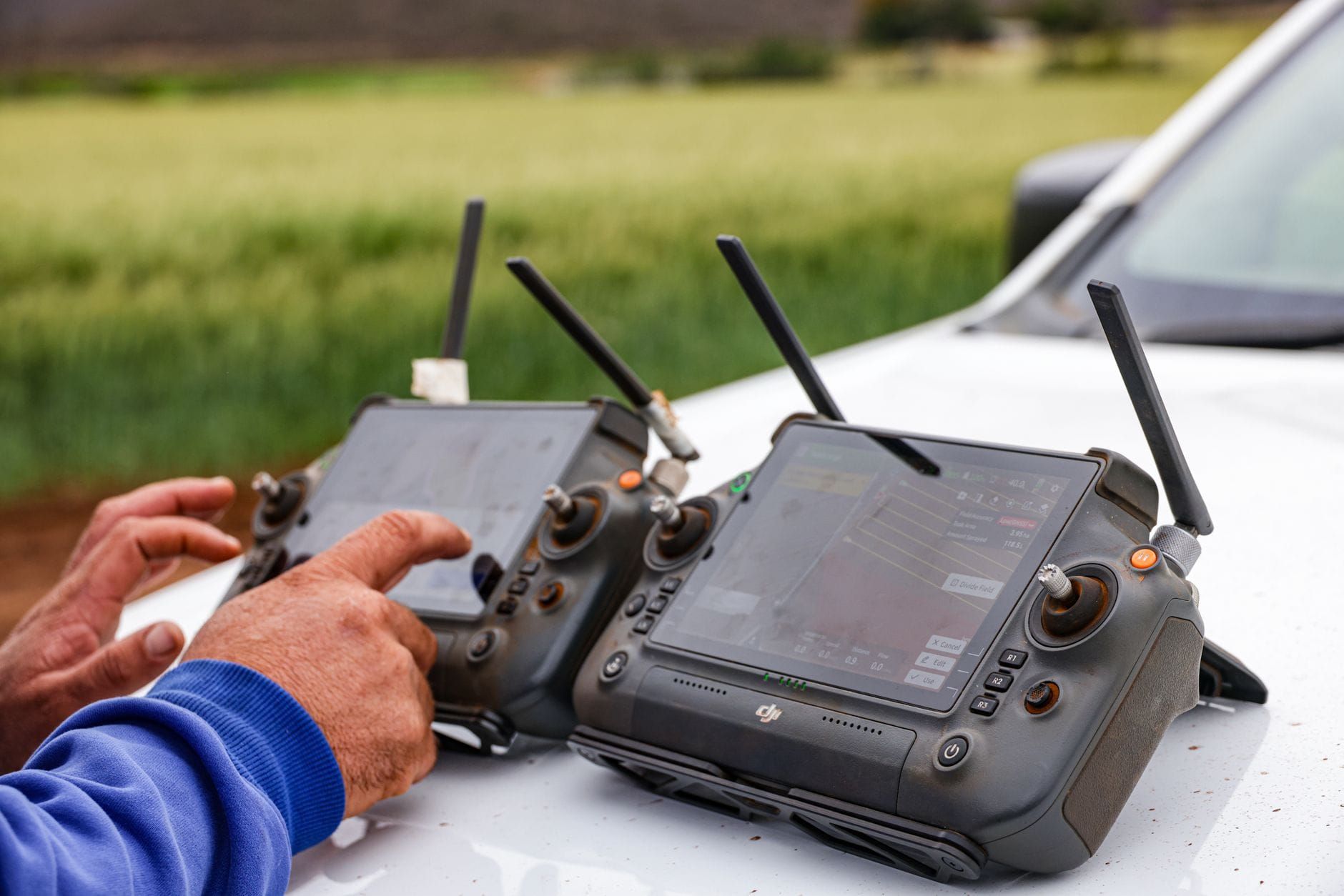
The Malagasy government officially launched the Public Agricultural Digital Infrastructure on June 30, 2026 in Antananarivo — an unprecedented platform designed to transform the management and competitiveness of the agricultural sector. Backed by the World Bank, the FAO and three selected private companies, this interoperable system covers agriculture, livestock and fisheries — the primary activities that represent approximately 30% of GDP and 40% of Madagascar's export revenues.
Three tools to revolutionise information access
The infrastructure rests on three complementary digital solutions. The National Producer Registry creates for the first time a unified database of all Malagasy agricultural operators — a prerequisite for targeting public policies and financing. The Price Monitoring and Weather Alert System delivers real-time agricultural product prices and climate data at the local level. Finally, the Digital Agricultural Advisory Platform provides personalised crop recommendations based on each farm's geography and climate conditions.
The stated ambition is interoperability and data sovereignty: information remains under Malagasy control, with an architecture designed to evolve and interconnect with other public systems. Technical assistant NextA oversees implementation alongside the Ministries of Agriculture, Livestock and Digital Development.
A massive stake for the national economy
Malagasy agriculture employs approximately 70% of the active population — several million rural households whose incomes depend directly on farm productivity. Lack of access to information on prices, inputs and climate conditions is one of the main barriers to competitiveness. World Bank studies show that real-time market data access can increase agricultural incomes by 10 to 25% in countries with low digital banking penetration.
For Madagascar, whose growth was revised to 6% in 2026 in the Supplementary Finance Law, this programme is part of a broader productive modernisation strategy — complementing the opening to Egyptian investors and the wind farm inaugurated in Fort-Dauphin.
Why it matters
Digitising agriculture in a country where 70% of workers till the land means potentially transforming the economy as a whole. If this programme hits its targets, Malagasy producers will have access to the same information tools as their counterparts in emerging markets. A technological leap that, combined with 6% growth, could accelerate Madagascar's integration into regional and global agricultural value chains.