
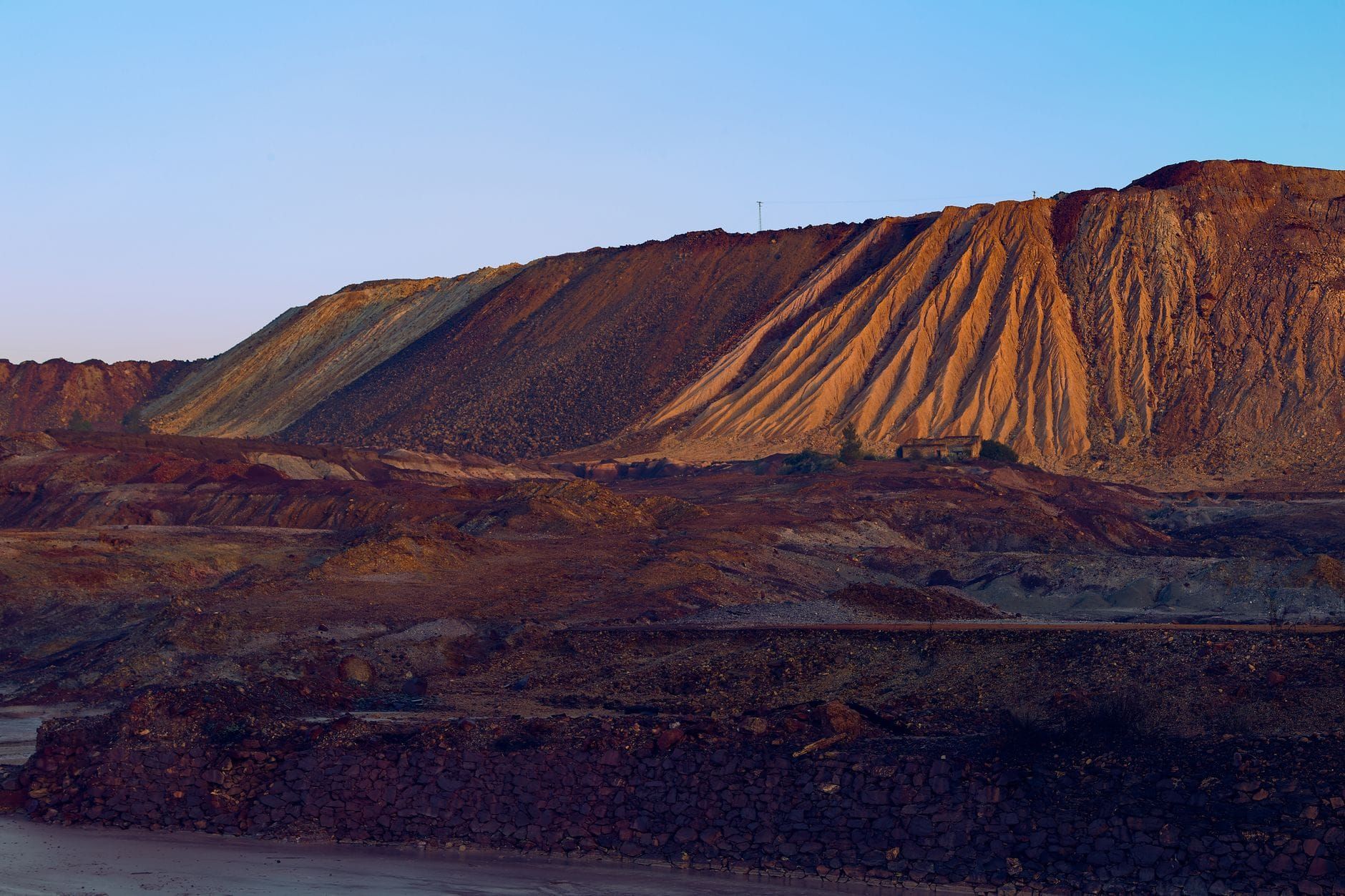
A historic turning point for Madagascar's extractive sector. In January 2026, the government officially lifted the moratorium on new mining permits in place since 2010. After sixteen years of freeze, Madagascar is reopening its doors to investors for most strategic minerals — with the notable exception of gold, which remains under a specific regulatory suspension.
1,650 Permit Applications Pending
Even before the official announcement, approximately 1,650 permit applications were awaiting processing by Madagascar's mining administration. An eloquent signal of the interest from domestic and foreign operators in the island's resources: nickel, cobalt, graphite, and ilmenite are among the minerals now open to new exploitation or exploration permits.
Gold Remains Excluded: A Revealing Exception
The government maintains the suspension of gold permits due to «regulatory challenges» and the inability to «establish a rigorous monitoring system.» Official gold production remains symbolic — only 13 kilograms declared the previous year — masking an informal reality that authorities still struggle to control.
A Supportive Economic Context
The reopening of the mining register fits into a broader economic recovery context: Madagascar targets 4.2% growth in 2026, driven by accelerating infrastructure projects — including the new Antananarivo-Toamasina highway corridor — and the rise of mobile banking. The Ambatovy project (nickel-cobalt), flagship of foreign investment in the country, illustrates the sector's potential to attract long-term capital.
Why It Matters
In the global race for critical minerals powering electric vehicle batteries, Madagascar holds a considerable competitive advantage. Lifting the moratorium sends a strong signal to international investors — but sector governance will be decisive. Fighting informal artisanal mining, contract transparency, and revenue sharing with local communities will determine the country's ability to convert its geological potential into sustainable economic development.
Sources: Mining Weekly, AFSIC, CNBC Africa, discoveryalert.com.au, January–March 2026.